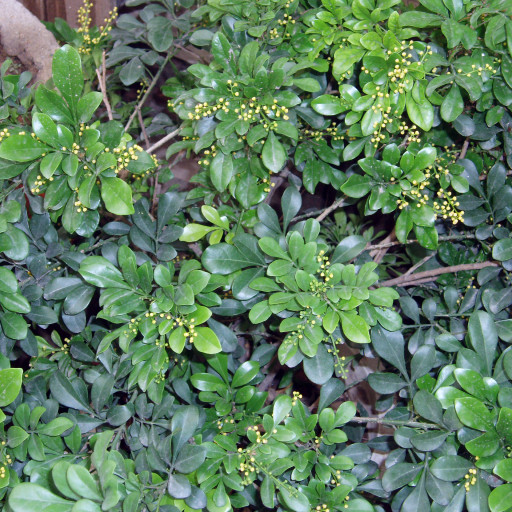
Plant Overview
Often called the "Chinese Rice Flower" or "Mock Lemon," this elegant evergreen shrub is a darling of Southeast Asian gardens. It is beloved not for showy petals, but for its inconspicuous yellow blooms that pack an incredible olfactory punch, smelling like a blend of sweet lemons and expensive perfume. In many cultures, it is traditionally planted near doorways to welcome guests with its intoxicating, clean scent.
🔍 How to Identify
- 🍃 Leaf Structure: It features glossy, dark green compound leaves, usually with 3 to 7 small, teardrop-shaped leaflets that create a dense, lush appearance.
- 🟡 The "Rice" Flowers: The blossoms are tiny, yellow, and ball-shaped, resembling small grains of rice or beads. They do not have traditional petals and grow in branching clusters.
- 🌳 Growth Habit: A slow-growing shrub that naturally maintains a rounded, bushy shape. It can reach heights of 10 feet in the wild but is usually kept much smaller in home gardens.
🏡 In Your Garden
- ☀️ Light & Warmth: This plant is a creature of consistency. It thrives in bright, filtered light but hates the scorching afternoon sun, which can "burn" its delicate leaves. It is strictly a warm-weather plant and will drop leaves if exposed to cold drafts.
- ✂️ Bonsai Potential: Because of its small leaves and slow growth rate, it is highly prized by bonsai enthusiasts. It responds beautifully to pruning and can be shaped into intricate, miniature "trees" over several years.
⚠️ Safety & Toxicity
- ✅ Safe Status: Aglaia odorata is generally considered non-toxic to humans and common household pets like cats and dogs.
- 🌿 Skin Sensitivity: While not poisonous, the dense foliage can sometimes harbor dust or mild sap that may cause slight irritation to those with extremely sensitive skin during heavy pruning.
✨ Fun Fact
In traditional Chinese culture, the dried flowers of the Aglaia were often used to scent tea or placed inside wooden chests to give linens a natural, citrusy fragrance that lasted for months!

Detailed Care Instructions
| Lighting | Full Sun |
| Hardiness Zones | Min 9A |
To grow Aglaia Odorata (also known as Chinese Perfume Plant or Mock Lime), follow these steps:
- Climate: Aglaia Odorata prefers warm and humid climates. It thrives in USDA hardiness zones 10-11. If you live in a colder region, consider growing it indoors or in a greenhouse.
- Sunlight: Place the plant in a location where it can receive bright but indirect sunlight. Avoid exposing it to direct sunlight, as it can lead to leaf burn.
- Soil: Use a well-draining potting mix that is rich in organic matter. The pH level should be slightly acidic to neutral (around 5.5-7). Good drainage is essential to prevent root rot.
- Watering: Keep the soil consistently moist but not waterlogged. Aglaia Odorata prefers slightly higher humidity levels, so misting the leaves regularly can help recreate its natural environment.
- Fertilizer: Feed the plant with a balanced liquid fertilizer once a month during the growing season (spring and summer). Dilute the fertilizer according to the manufacturer's instructions.
- Pruning: Trim back overgrown or leggy branches to maintain a compact and bushy shape. Pruning also helps promote new growth and increases the chances of flowering.
- Propagation: Aglaia Odorata can be propagated through seeds, stem cuttings, or air layering. While seeds can take a long time to germinate, stem cuttings or air layering are quicker methods.
- Stem cuttings: Take a 4-6 inch cutting from a healthy plant, remove the lower leaves, and dip the cut end in a rooting hormone. Plant the cutting in a small pot with moist soil and cover it with a plastic bag to create a mini greenhouse effect. Keep the soil moist and place the pot in a warm area with indirect light. Rooting should occur within a few weeks.
- Air layering: This method is more advanced but highly successful. Select a healthy branch, remove a section of bark, and apply a rooting hormone to the exposed area. Wrap the exposed part with moist peat moss or sphagnum moss, then cover it with plastic wrap. Once roots have formed (which can take several weeks), cut the branch below the roots and plant it in a separate pot.
- Pests and diseases: Aglaia Odorata is generally resistant to pests and diseases. However, keep an eye out for common houseplant pests like mealybugs, aphids, or scale insects. Treat them with appropriate organic or chemical solutions if necessary.
With proper care and the right growing conditions, your Aglaia Odorata plant should thrive and reward you with its sweet-scented yellow flowers.

Place in a bright room that is sun drenched almost all day. Or directly in a south-facing window.

Aglaia Odorata plant requires regular watering to thrive, but it is important to not overwater it. Before watering, check the soil moisture level by touching the top layer of soil with your finger. If it feels dry, water the plant. It is recommended to use room temperature water for watering.
When watering, avoid getting water on the leaves and instead water directly around the base of the plant. Water until the soil is moist but not soaking wet, and allow any excess water to drain out from the bottom of the pot.
During the winter months, reduce watering frequency as the plant enters a dormant period and requires less water. Additionally, if the humidity in the environment is low, misting the plant with water once or twice a week can help promote healthy growth.
To fertilize the plant, use a balanced fertilizer with equal amounts of nitrogen, phosphorus, and potassium. Apply the fertilizer once every two weeks during the growing season, which is typically spring and summer. Be careful not to over-fertilize as this can damage the plant. Water the plant before and after fertilizing to help the nutrients spread evenly throughout the soil.
Aglaia Odorata plant requires a well-draining soil that is rich in organic matter. The pH of the soil should be slightly acidic to neutral. A mixture of peat moss, perlite, and sand can be used to create a suitable soil mix. The plant prefers soil that is moist but not waterlogged. It is important to avoid using heavy, clay soils or soils that retain too much moisture as this can lead to root rot. Regular fertilization with a balanced, slow-release fertilizer can also improve plant growth and health.
Aglaia Odorata plant can be propagated through various methods such as stem cuttings, layering, and seed propagation.
For stem cuttings, choose a healthy stem that is approximately 4-6 inches long. Use a clean and sharp pair of pruning shears to cut the stem just below a node (where the leaf meets the stem). Remove any leaves from the bottom half of the stem, leaving 2-3 leaves at the top. Dip the cut end of the stem in rooting hormone powder and plant it in a well-draining potting mix. Water the soil and cover the pot with a plastic bag to create a humid environment. Place the pot in a bright but indirect light and keep the soil moist. After a few weeks, the stem should root and start to grow new leaves.
Layering is another method of propagation where you encourage roots to grow from the stem while it is still attached to the parent plant. Identify a healthy and flexible stem that can be slightly bent downwards towards the ground. Make a small cut on the underside of the stem where it touches the ground and dust it with rooting hormone powder. Cover the area with soil or compost and a rock to keep it in place. Water the soil regularly and keep it moist. After a few weeks, you should see new roots growing from the covered section of the stem. Cut the stem from the parent plant and plant it in a separate pot.
Finally, you can also propagate Aglaia Odorata plant from seeds. Collect mature seeds from the parent plant and plant them in an equal mixture of sand and potting soil. Water the soil and place the pot in a warm and humid environment, such as a greenhouse or under a plastic cover. Keep the soil moist and after a few weeks, the seeds should germinate and grow into new plants.
Common pests of the chinese perfume plant include Scale insect, mealybugs, spider mites. Make a habit of checking your chinese perfume plant frequently for pests so that any infestations can be caught and managed early.








