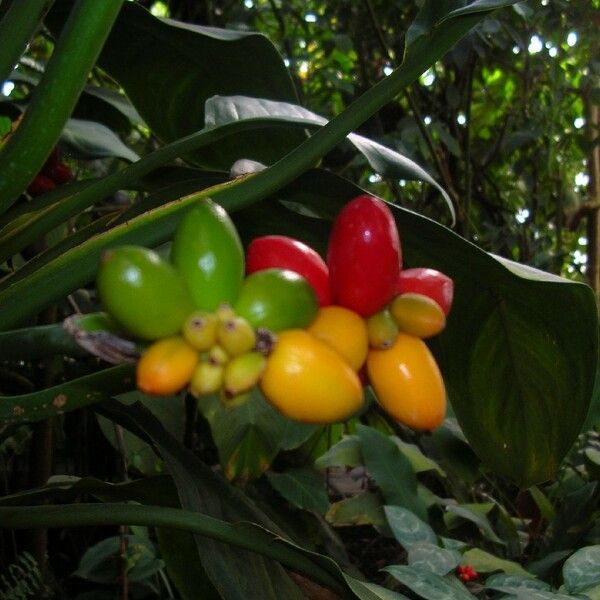
Plant Overview
Known as one of the most robust "Chinese Evergreens," Aglaonema marantifolium is a tropical powerhouse native to the humid rainforests of New Guinea and the Moluccas. In many Asian cultures, these plants are celebrated as symbols of luck and longevity, often living for decades with minimal fuss. If you are looking for a plant that brings "deep jungle vibes" to a dim corner of your home, this large-leafed beauty is the perfect candidate.
🔍 How to Identify
- 🍃 Majestic Foliage: Unlike smaller, bushier cultivars, this species boasts large, lance-shaped leaves that can reach over 10 inches in length, featuring a thick, leathery texture.
- 🎨 Subtle Patterning: The deep forest-green surface is usually feathered with silvery-grey or light green markings that radiate outward from the central vein like brushstrokes.
- 🌿 Upright Growth: It maintains a stately, clumping habit, growing taller and more architectural than many of its hybrid cousins.
🏡 In Your Garden
- ☁️ The Shadow Dweller: This plant is a master of low-light survival. Because it evolved under the dense triple-canopy of tropical jungles, it thrives in spots where other plants would wither, making it ideal for offices or north-facing rooms.
- 💧 Breathable Roots: While it loves high humidity, it is highly sensitive to "wet feet." It prefers a well-draining potting mix; if the soil stays soggy for too long, the thick stems can succumb to rot quite quickly. Always wait for the top half of the soil to dry before watering again.
⚠️ Safety & Toxicity
- 🚫 Toxic Status: Highly toxic to pets and humans.
- 🐱 Irritant Alert: The plant contains insoluble calcium oxalate crystals. If the leaves or stems are bitten or chewed, they cause immediate intense burning, mouth swelling, and drooling in cats, dogs, and children. It is best displayed on a high plant stand away from curious mouths.
✨ Fun Fact
In 1989, NASA’s Clean Air Study identified Aglaonema species as highly effective at removing indoor toxins like benzene and formaldehyde from the air, making them literal "living filters" for your living room!

Detailed Care Instructions
To grow Aglaonema Marantifolium, also known as Chinese evergreen, follow these steps:
- Choose the right location: Aglaonema Marantifolium prefers bright, indirect light. Place the plant near a window that receives filtered light or in a well-lit room. Avoid direct sunlight as it can scorch the leaves.
- Temperature and humidity: Aglaonema Marantifolium thrives in warm temperatures of 65-75°F (18-24°C) during the day and a slightly cooler temperature at night. Aim for a humidity level around 50-60%. You can increase humidity by placing the plant on a tray filled with water and pebbles or using a humidifier.
- Watering: Keep the soil moderately moist but not overly wet. Water the plant when the top inch of soil feels dry. Ensure proper drainage by using a well-draining potting mix. Avoid waterlogging as it can lead to root rot.
- Fertilizer: Feed the plant with a balanced liquid fertilizer diluted to half strength every 2-4 weeks during the growing season (spring and summer). Reduce or stop fertilizing in the winter when growth slows down.
- Pruning: Prune any yellow or damaged leaves to maintain the plant's appearance and health. You can also trim long stems to encourage bushier growth.
- Repotting: Aglaonema Marantifolium typically needs to be repotted every 1-2 years, or when it outgrows its current pot. Use a well-draining potting mix and choose a pot that is one size larger than its current one.
- Propagation: Aglaonema Marantifolium can be propagated through stem cuttings. Take a cutting with at least one node, remove the lower leaves, and place it in water or moist potting mix. Keep the cutting in a warm, humid environment until it develops roots.
- Pests and diseases: Monitor the plant for common pests like spider mites, mealybugs, and scale. Treat them with insecticidal soap or neem oil. Aglaonema Marantifolium is generally resistant to diseases but can be susceptible to root rot if overwatered.
With proper care and attention, your Aglaonema Marantifolium should grow well and maintain its attractive foliage.
Aglaonema Marantifolium is a tropical plant that requires regular watering to thrive. To water this plant, you should first check the soil moisture level. Insert your finger about an inch into the soil to determine if it's dry or wet.
If the soil is dry, water the plant thoroughly until water starts to drain out of the bottom of the pot. Make sure not to overwater the plant as it can lead to root rot. Allow the soil to dry out partially before watering it again.
During the winter months, reduce watering frequency as the plant may enter a dormant period and require less water. You can also mist the plant regularly to keep the leaves hydrated and promote healthy growth.
It's important to note that Aglaonema Marantifolium is sensitive to cold water, so make sure to use room temperature water when watering it. Also, avoid getting water on the leaves as it can cause damage or lead to fungal growth.
Overall, a consistent watering schedule and proper soil moisture levels are essential for the healthy growth of Aglaonema Marantifolium.
To fertilize this plant, mix a water-soluble fertilizer with water according to the package instructions. Use this mixture to water the plant every two to four weeks during the growing season (spring and summer). During the dormant season (fall and winter), reduce fertilizing to once a month or stop altogether. Avoid over-fertilizing as it can cause burning and damage to the plant's roots.
The ideal soil to use with this particular plant is a well-draining mix that is rich in nutrients and organic matter. The pH level of the soil should be slightly acidic to neutral (around 6.0-7.0). The soil should not be too heavy or compacted as this can cause issues with drainage and root health. A good soil mix may include a combination of peat moss, perlite, and compost. It is important to avoid using heavy clay soils or soils that are high in sand as these can lead to problems with nutrient uptake and water retention. Additionally, it is recommended to fertilize the plant regularly with a balanced fertilizer during the growing season to promote healthy growth and development.
To propagate this plant, take a mature stem of the plant and cut it into several sections, each containing at least one node. Dust the cut ends with a rooting hormone powder and plant them in a well-draining potting mix. Place the pots in a warm, humid spot away from direct sunlight and keep the soil moist but not waterlogged. It may take a few weeks for new growth to emerge, at which point the plants can be gradually acclimated to brighter light and a less humid environment.








