Plant Overview
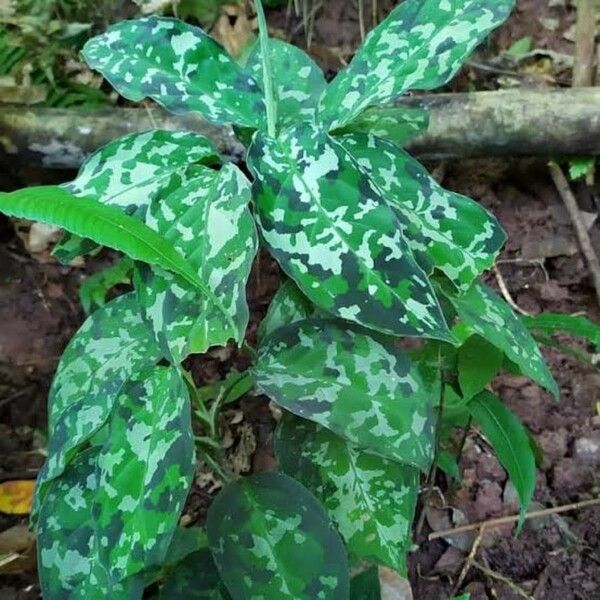
Often called the "Camouflage Plant," the Aglaonema pictum looks less like a living organism and more like a carefully painted piece of military gear. Hailing from the humid rainforests of Sumatra, Indonesia, this slow-growing tropical beauty has become a "holy grail" for indoor gardeners. While most plants aim to blend into the green, this one stands out with its striking, mosaic-like patches of silver, light green, and deep forest hues.
🔍 How to Identify
- 🌿 Leaf Pattern: The most defining feature is the "tricolor" variegation, featuring irregular splotches of three distinct shades of green and silver that resemble a camouflage textile.
- 🍃 Leaf Shape: The leaves are broad and elliptical (oval-ish), ending in a sharp point, and they have a slightly velvety or matte texture rather than a high gloss.
- 🎋 Stem Structure: It grows on thick, fleshy stems that can become somewhat cane-like as the plant matures, though it typically maintains a compact, bushy appearance.
🏡 In Your Garden
- ☁️ Humidity is Key: Because it originated on the jungle floor, this plant thrives in high humidity. If the air is too dry, the edges of those beautiful "camo" leaves will quickly turn brown and crispy.
- 🌤️ Shadow Dweller: Unlike many variegated plants that need bright light to keep their color, the Aglaonema pictum is sensitive to the sun. Too much direct light will bleach its unique patterns; it prefers the soft, dappled light of a "bright-ish" corner.
- 💧 Stable Environment: This species is notoriously sensitive to change. It dislikes being moved frequently or subjected to cold drafts, which can cause it to drop leaves in a dramatic "protest."
⚠️ Safety & Toxicity
- 🚫 Status: Toxic to humans and pets.
- 🐈 Details: Like all members of the Araceae family, it contains insoluble calcium oxalate crystals. If chewed or swallowed, it causes immediate mouth irritation, swelling of the throat, and digestive distress in cats, dogs, and curious toddlers.
✨ Fun Fact
The Aglaonema pictum is so slow-growing and its pattern is so intricate that for many years, botanical illustrators struggled to capture it accurately. In the wild, its camouflage isn't for hiding from soldiers—it’s thought to help break up the leaf's outline to protect it from hungry herbivores!

Detailed Care Instructions
Growing Aglaonema Pictum can be done relatively easily with the right care and conditions. Here are some steps to help you grow this plant:
- Light: Aglaonema Pictum prefers bright, indirect light. Place it in a well-lit room away from direct sunlight, as excessive exposure can scorch the leaves.
- Temperature: This plant thrives in average room temperatures between 65-75°F (18-24°C). Avoid placing it in areas with temperature fluctuations or drafts, as they can harm the plant.
- Watering: Water the plant when the top inch of soil feels dry to the touch. Ensure proper drainage to prevent waterlogged roots, which can lead to root rot. Aglaonema Pictum does not like to sit in wet soil, so allow the excess water to drain away.
- Humidity: This plant prefers higher humidity levels. You can increase humidity by placing a tray with water near the plant or using a humidifier. Misting the leaves occasionally can also help.
- Soil: Use a well-draining potting mix that retains some moisture but doesn't become waterlogged. A mix of peat moss, perlite, and vermiculite is commonly used.
- Fertilizer: Feed the plant with a balanced, water-soluble fertilizer once a month during the growing season (spring and summer). Follow the instructions provided with the fertilizer for the proper dosage.
- Pruning: Regularly remove any yellow or dead leaves to maintain the plant's health and appearance. You can also trim the plant to control its size and shape.
- Repotting: Aglaonema Pictum prefers slightly root-bound conditions, so repot the plant only when necessary. Repotting every 2-3 years, preferably in spring, using a pot one size larger is usually sufficient.
- Pest control: Keep an eye out for common houseplant pests like spider mites and mealybugs. If you notice any infestation, treat it immediately using an appropriate insecticide or by wiping the leaves with a damp cloth.
By following these guidelines, you should be able to successfully grow Aglaonema Pictum and enjoy its stunning foliage.

Place in a window with dappled sun or a spot in the middle of a room. Or directly in a window facing west or east.

1. Understand the watering needs of the plant
- Aglaonema Pictum requires regular watering but needs to be well-drained to avoid waterlogging.
- Overwatering can lead to root rot, so it's important to avoid keeping the soil too wet.
2. Check the soil moisture level
- Before watering, check the soil moisture level by sticking your finger about an inch deep into the soil.
- If the soil feels dry at this depth, it's time to water the plant.
3. Water the plant
- Water the plant slowly and evenly, making sure to wet the topsoil as well as the deeper roots.
- Avoid getting water on the leaves as this can cause damage or fungal growth.
4. Drain off excess water
- After watering, wait for the excess water to drain off through the drainage holes at the bottom of the pot.
- Discard any water that accumulates in the saucer to prevent the roots from sitting in standing water.
5. Adjust watering frequency based on conditions
- The frequency of watering will depend on a variety of factors, including the size of the pot, the type of soil used, and the humidity and temperature in the room.
- It's important to monitor the plant closely and adjust the watering frequency as needed to ensure it stays healthy and hydrated.
To fertilize the plant, use a balanced fertilizer with equal amounts of nitrogen, phosphorus, and potassium. Dilute the fertilizer according to the manufacturer's instructions and apply it to the soil during the growing season. Do not fertilize during the winter months. Avoid over-fertilizing as it can damage the plant's roots. Monitor the plant's growth and adjust the fertilizing schedule accordingly.
Aglaonema Pictum is a popular indoor plant that requires a specific type of soil for optimal growth. The ideal soil for this plant should be well-draining and aerated to prevent waterlogged roots. It should also be slightly acidic with a pH between 6 and 6.5, as this will help the plant absorb nutrients more efficiently.
A mixture of peat moss, perlite, and vermiculite is recommended for Aglaonema Pictum. Peat moss provides moisture retention while perlite and vermiculite improve drainage and aeration. Additionally, adding organic matter like compost or aged manure can help improve soil fertility and promote healthy growth.
When potting the plant, ensure that the soil is loose enough to allow proper drainage and root growth. It's essential to choose a pot with drainage holes to prevent waterlogging as Aglaonema Pictum plants are susceptible to root rot. Overall, choosing the right soil mix is crucial for the health and longevity of this beautiful indoor plant.
To propagate this plant, you will need a healthy mature plant and a sharp and sterile pair of pruning shears. Begin by cutting off the stem or leaves of the plant. Make sure that each section of the cutting has a few leaves and a node, which is where the roots will emerge.
Next, fill a small pot with a well-draining soil mix that is moist but not saturated. Insert the cuttings into the soil, leaving at least one node buried in the soil. Firm the soil around the cuttings, and water them lightly.
Place the pot in a bright spot but out of direct sunlight. Keep the soil moist and monitor the cuttings for signs of growth. In a few weeks, you should start to see new roots and growth emerging from the cuttings.
Once the cuttings have established roots and new growth, you can transplant them into a larger pot or in their own individual pots.
Remember to keep the soil moist but not waterlogged and avoid exposing the cuttings to direct sunlight until they are established in their new pots.
Common pests of the aglaonema aroid include Mealybugs, spider mites, fungus gnats, thrips. Make a habit of checking your aglaonema aroid frequently for pests so that any infestations can be caught and managed early.








