Plant Overview
Commonly known as Hairy Agrimony or Xian He Cao in traditional medicine, this resilient perennial is a staple of East Asian meadows and forest edges. Often called the "Soldier's Herb" for its historical use in treating wounds, it is famous for its long, elegant spikes of sunshine-yellow flowers and its "hitchhiking" seeds that cling to clothing and fur.
🔍 How to Identify
- 🌼 Golden Racemes: Small, five-petaled yellow flowers grow closely together along a tall, slender central stalk, blooming from bottom to top.
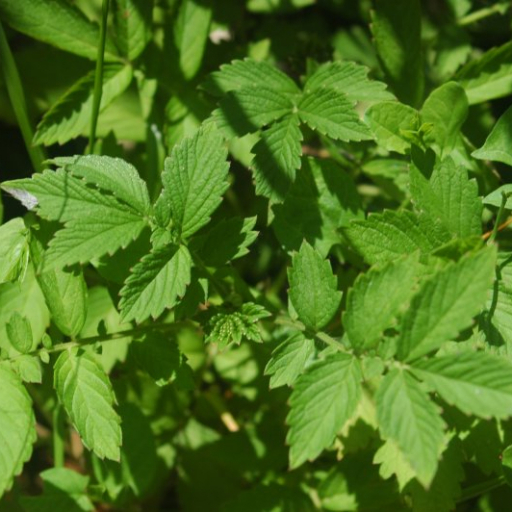
- 🍃 Toothed Foliage: The leaves are pinnate (divided) with deeply serrated or "toothed" edges; the underside of the leaf is notably soft and pale due to dense, fine hairs.
- 🪝 Hooked Burrs: After flowering, the plant produces small, top-shaped fruits covered in hooked bristles that act like natural Velcro to help spread its seeds.
🏡 In Your Garden
- 🌱 Low Maintenance Resilience: Unlike delicate ornamentals, Hairy Agrimony is incredibly hardy. It thrives in "transition zones"—the areas between a manicured lawn and a wilder woodland—and isn't picky about soil quality as long as it drains well.
- 🦋 Pollinator Magnet: The nectar-rich yellow spikes are a favorite for hoverflies and small native bees, making it an excellent choice for a "wild" or cottage-style pollinator garden.
⚠️ Safety & Toxicity
- 🟢 General Safety: Agrimonia pilosa is generally considered non-toxic to humans and is widely used in herbal teas and tinctures.
- 🐾 Pet Watch: While not listed as a major toxin for cats or dogs, the "hairy" texture of the stems and the hooked burrs can cause minor skin irritation or get painfully tangled in long fur.
- 🍵 Medicinal Caution: Because it contains high levels of tannins and has strong astringent properties, it should not be consumed in large quantities by those with chronic constipation or by pregnant women without professional guidance.
✨ Fun Fact
In Chinese folklore, this plant is called "Xian He Cao" (Immortal Crane Herb). Legend says that a pair of exhausted cranes once led a group of weary, bleeding travelers to a patch of this plant to show them its life-saving, blood-clotting powers.

Detailed Care Instructions
To grow Agrimonia pilosa (also known as hairy agrimony or tall hairy agrimony), follow these steps:
- Climate: Ensure that you have the appropriate climate for the plant. Agrimonia pilosa is native to North America and grows well in USDA hardiness zones 3-8. It thrives in temperate regions with cool summers and cold winters.
- Site selection: Choose a suitable location for planting. Agrimony prefers full sun to partial shade and well-drained soil. The soil should have a pH level between 6.0 and 7.0.
- Soil preparation: Before planting, prepare the soil by removing any weeds or grass. Work the soil by loosening it with a tiller or garden fork. Add organic matter such as compost to improve soil fertility and drainage.
- Planting: Agrimony can be propagated by seeds or cuttings. If using seeds, sow them in early spring or autumn. Scatter the seeds on the prepared soil surface and gently press them down. Cover the seeds lightly with a thin layer of soil. If using cuttings, take stem cuttings in spring or summer and plant them in pots filled with a well-draining soil mix.
- Watering: Keep the soil evenly moist but not waterlogged. Water the plants regularly, especially during dry periods. Avoid overwatering, as excessive moisture may lead to rot or other diseases.
- Maintenance: Regularly remove weeds around the plants to prevent competition for nutrients and water. Apply a layer of mulch around the plant to conserve moisture and suppress weed growth.
- Fertilization: Agrimony plants generally do not require much fertilization. However, you can apply a balanced slow-release fertilizer once in early spring to promote healthy growth.
- Pruning: In late autumn or early spring, after the plant has finished flowering, you can cut back the stems to maintain its shape and promote bushier growth.
- Pest and disease control: Agrimony is relatively resistant to pests and diseases. However, keep an eye out for common garden pests like aphids or snails. If necessary, use appropriate organic pest control methods to address any infestations.
- Harvesting: Agrimonia pilosa is known for its medicinal properties. If you wish to harvest the leaves or flowering tops, do so when the plant is in full bloom. Dry the harvested parts in a cool, well-ventilated area before storing them in airtight containers.

Place in a window with dappled sun or a spot in the middle of a room. Or directly in a window facing west or east.

To properly water the Agrimonia Pilosa plant, it is essential to understand its specific water requirements. Here are some guidelines to assist you in watering this plant effectively:
1. Observe the soil moisture: Regularly assess the moisture levels in the soil surrounding the Agrimonia Pilosa plant. Insert your finger about an inch into the soil to check if it feels dry or moist.
2. Watering frequency: Since different plants have varying water needs, it's crucial to water the Agrimonia Pilosa plant appropriately. Generally, water this plant when the top inch of soil feels dry to the touch.
3. Watering amount: When watering, ensure that you provide enough water to moisten the entire root ball of the Agrimonia Pilosa plant. Avoid overwatering, as it can lead to root rot and other detrimental issues. It is always better to underwater slightly than to overwater.
4. Watering technique: Use a watering can or a gentle spray nozzle to ensure a slow and even distribution of water. Water the plant at its base, directly onto the soil, rather than overhead watering, which can result in fungal diseases.
5. Suitable water temperature: Try using room temperature water or slightly lukewarm water to avoid shocking the plant's roots. Extremely cold or hot water can cause stress to the Agrimonia Pilosa plant.
6. Drainage: Ensure that the pot or planting area provides adequate drainage for the Agrimonia Pilosa plant. Poor drainage can lead to waterlogging and root problems. If the soil retains excessive moisture, consider adding organic matter, such as compost, to improve drainage.
7. Environmental factors: Take into account the environmental conditions surrounding the plant, such as temperature, humidity, and sunlight exposure. These factors can influence the plant's water needs. For instance, plants in hotter or drier environments may require more frequent watering, while those in lower light conditions may require less.
Remember, it is always important to monitor the plant's response to watering. Adjust your watering schedule and amount accordingly if the plant shows signs of overwatering (such as wilting or yellowing leaves) or underwatering (such as drooping leaves or soil shrinking away from the container's edges).
To fertilize Agrimonia Pilosa, follow these instructions:
- Choose a balanced, slow-release fertilizer formulated for flowering plants or perennials. Ensure it contains a good balance of essential nutrients.
- Read the fertilizer packaging carefully to determine the recommended application rate. This will depend on the concentration of nutrients in the fertilizer and the size of your Agrimonia Pilosa plant.
- Apply the fertilizer in the spring after the last frost or during the early growing season. This will provide the plant with necessary nutrients to support healthy growth and flowering.
- Dissolve the recommended amount of fertilizer in water according to the instructions on the packaging. This will vary depending on the brand and type of fertilizer you are using.
- Use a watering can or a sprayer to apply the diluted fertilizer solution to the soil around the base of the plant. Avoid contact with the foliage to minimize the risk of leaf burn.
- Water the plant thoroughly after fertilizing to allow the nutrients to penetrate the soil and reach the root zone.
- Repeat the fertilization process every six to eight weeks during the growing season, or as recommended by the fertilizer manufacturer. Avoid over-fertilizing, as this may lead to excessive growth or nutrient imbalance.
- Monitor the plant's response to the fertilizer. If you notice signs of over-fertilization, such as yellowing leaves or stunted growth, reduce the amount or frequency of fertilizer application.
Remember, providing adequate sunlight, proper watering, and well-draining soil are equally important for the overall health and growth of Agrimonia Pilosa.
The ideal soil type for Agrimonia Pilosa plants is well-draining, fertile soil. They prefer a slightly acidic to neutral soil pH ranging from 6.0 to 7.0. The soil should be rich in organic matter to provide essential nutrients for the plant's growth and development.
Agrimonia Pilosa plants thrive in loamy or sandy soils that offer excellent drainage, preventing waterlogging that can lead to root rot. However, it is important to ensure that the soil retains enough moisture to keep the plant hydrated without becoming overly saturated. Additionally, these plants do not tolerate heavy clay soils, as these tend to retain water and cause poor aeration.
To provide optimal conditions for the Agrimonia Pilosa plant, consider amending the soil with organic matter, such as compost or well-rotted manure, to improve its structure, water-holding capacity, and nutrient content. This will promote healthy root growth and overall plant vigor.
It is crucial to avoid using soils that have high salinity levels, as Agrimonia Pilosa plants are sensitive to salt. If you live in an area with naturally saline soil or use irrigation water containing salts, consider installing a drainage system or using filtered water to prevent salt build-up and damage to the plant.
Regularly monitoring the soil moisture and providing supplemental watering during dry spells can help ensure the optimal growth of the Agrimonia Pilosa plant. Finally, annual soil testing can provide valuable insights into the nutrient levels and pH balance, allowing you to make any necessary adjustments according to the plant's requirements.
Agrimonia pilosa is a perennial herbaceous plant that belongs to the Rosaceae family. It is native to regions of Asia, including China, Korea, and Japan. The plant has fern-like leaves and produces clusters of small yellow flowers on tall, upright stems during the summer months.
Propagation of Agrimonia pilosa can be achieved through various methods, including seeds, cuttings, and division. Here are the details of each propagation method:
- Seed Propagation: Start by collecting mature seeds from the plant when they are fully ripe. Clean the seeds by removing any debris or chaff. Stratify the seeds by placing them in a moist paper towel or planting them in a seed tray filled with a moist, well-draining potting mix. Keep the seeds in a cool location, such as a refrigerator, for 4-6 weeks to promote germination. After stratification, plant the seeds in individual pots or directly in the garden soil. Cover them lightly with soil and keep them consistently moist until germination occurs.
- Cutting Propagation: Select a healthy stem from the Agrimonia pilosa plant that is approximately 4-6 inches long and free from any diseases or pests. Make a clean cut just below a node using a sterile, sharp knife or pruning shears. Remove the lower leaves, leaving only a few at the top. Dip the cut end in a rooting hormone powder to encourage root development. Plant the cutting in a container filled with a well-draining potting mix or a prepared garden bed. Ensure that the growing medium remains consistently moist, and place the cutting in a warm, partially shaded location. In a few weeks, roots should develop, and the cutting can be transplanted to its permanent location.
- Division Propagation: This method is best done during the plant's dormant season, either in late fall or early spring. Carefully dig up the entire Agrimonia pilosa plant, taking care not to damage the roots. Gently separate the plant into smaller clumps, ensuring that each division has a healthy root system and a sufficient number of shoots or stems. Replant the divisions in well-prepared soil, spacing them appropriately. Keep the soil evenly moist until the divisions establish themselves in their new location.
Remember to provide adequate sunlight, soil moisture, and nutrients for the newly propagated Agrimonia pilosa plants to thrive. With proper care, these plants will mature, producing vibrant foliage and dainty yellow flowers in your garden.








