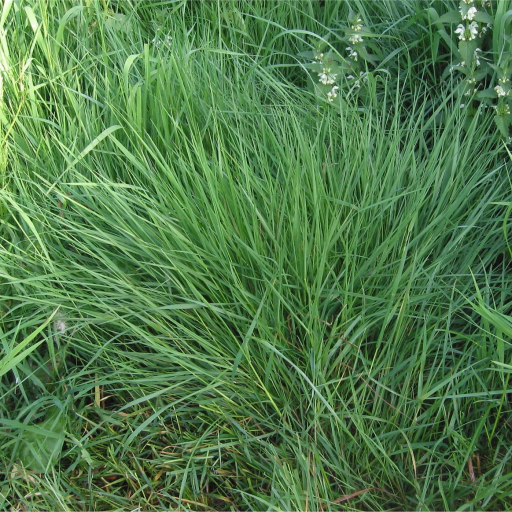
Plant Overview
Often referred to as the "Common Bent" or "Colonial Bentgrass," this delicate, fine-textured grass is the secret behind those velvety English lawns and historic golf greens. While it looks like a soft, misty carpet from a distance, it is surprisingly resilient, often colonizing meadows and acidic hillsides across Europe and North America. It’s a favorite for gardeners who want a classic, "manicured" aesthetic without the aggressive growth of coarser grasses.
🔍 How to Identify
- 🍃 Fine Foliage: The leaf blades are very narrow, flat, and slightly rough to the touch, usually measuring only 2–5mm wide.
- 🌾 Mist-Like Flowers: During summer, it produces airy, delicate clusters (panicles) that look like a purple or brownish haze floating above the grass.
- 🌱 Dense Mat Growth: It spreads through short underground runners (rhizomes) and creeping surface stems (stolons), creating a thick, cushiony sod that feels like walking on a rug.
🏡 In Your Garden
- ⛰️ Acidic Soul: Unlike many lawn grasses that demand lime and high nutrients, Common Bent actually prefers slightly acidic, poorer soils. It is the go-to choice for "rewilding" a patch of land where other grasses struggle.
- ✂️ The Close Shave: This plant is famous for its tolerance to extremely low mowing. While most grasses die if cut too short, Agrostis capillaris thrives, which is why it has been used on golf putting greens for centuries.
⚠️ Safety & Toxicity
- ✅ Pet & Child Safe: This grass is non-toxic to cats, dogs, and humans. It is perfectly safe for backyard play and grazing pets.
- 🤧 Allergy Note: Like most grasses, it produces fine wind-borne pollen during its flowering season (mid-summer). If you are a hay fever sufferer, keeping it mowed before it "goes to seed" will prevent itchy eyes and sneezing.
✨ Fun Fact
In the 18th century, Agrostis capillaris was so prized by American colonists that they imported it back to the New England colonies, which is why it earned the nickname "Colonial Bent." Today, it is considered one of the most eco-friendly turf grasses because it requires significantly less fertilizer than modern hybrid lawns.

Detailed Care Instructions
To grow Agrostis Capillaris (common bentgrass), follow these steps:
- Location: Choose a sunny area for growing Agrostis Capillaris, as it thrives in full sun. Ensure that the soil is well-draining.
- Soil Preparation: Before planting, prepare the soil by removing any weeds, rocks, or debris. Loosen the soil and add compost or aged manure to improve its fertility and drainage.
- Seeding: Agrostis Capillaris can be grown from seeds. Sow the seeds evenly by hand or using a broadcast spreader. Lightly rake the seeds into the soil and then gently pat them down. Ensure good seed-to-soil contact.
- Watering: After seeding, water the area thoroughly to ensure that the soil is moist but not waterlogged. Moisture is important for seed germination, so keep the soil evenly moist until the grass is established.
- Maintenance: Once the grass starts to grow, water it regularly but avoid overwatering. Regularly mow the grass to keep it at the desired height. Agrostis Capillaris can be cut shorter than other grasses, around ⅛ to ¼ inch in height, as it has a dense and low-growing habit.
- Fertilization: Apply a balanced slow-release fertilizer specifically formulated for grasses. Follow the instructions on the fertilizer packaging regarding application rates and frequency.
- Weed Control: Regularly inspect and remove any weeds that appear in the grass. You can hand-pull small weeds or use herbicides specifically designed for use on grass.
- Disease and Pest Control: Monitor the grass for any signs of disease or pests such as insect damage or fungal infections. If necessary, consult a professional or use appropriate treatments to control these issues.
- Winter Protection: Maintain a healthy lawn throughout the growing season to ensure better winter survival. Limit foot traffic on the grass during the winter months.
Remember to check the specific requirements of your local climate and follow the instructions on the seed packaging or consult a local gardening expert for more precise guidance.

Place in a bright room that is sun drenched almost all day. Or directly in a south-facing window.

Agrostis Capillaris plant should be watered regularly to maintain moist soil. The best method is to water it deeply once a week rather than light watering every day. It is important not to overwater it as it can lead to root rot. Always check the soil moisture before watering and water only when the top layer of soil is dry to the touch. Use room temperature water and avoid watering the leaves directly, instead, water the soil around the plant. During winter months, reduce the frequency of watering.
- Prepare a balanced fertilizer with equal parts nitrogen, phosphorus, and potassium.
- Apply the fertilizer in the early spring before the plant begins actively growing.
- Use a spreader to distribute the fertilizer evenly over the area where the plants are growing.
- Water the area immediately after applying the fertilizer to help it absorb into the soil.
- Repeat the fertilizer application once or twice throughout the growing season, depending on the fertility of the soil and the growth of the plant.
- Avoid over-fertilizing, as this can damage the plant and cause excessive growth.
- Monitor the health and growth of the plant throughout the season and adjust fertilization as needed.
Agrostis Capillaris prefers a well-drained soil that is slightly acidic to neutral in pH. The soil should be rich in organic matter and nutrients, with a moderate ability to retain water. It is important to avoid using soil that is compacted or heavy in texture, as this can impede the plant's root development and growth. Additionally, soil that contains high levels of salts or minerals may be unsuitable for this plant, as it can negatively impact its health and vigor. When selecting soil, it is important to consider the plant's specific needs and to choose a soil type that is compatible with its requirements.
To propagate this plant, you will need to collect seeds or take stem cuttings. If you choose to collect seeds, wait until the plant has finished flowering and seed heads have formed. Harvest the seed heads and allow them to fully dry before removing the seeds.
To propagate from stem cuttings, choose a healthy stem with several leaves and make a clean cut just below a node. Remove any lower leaves from the cutting and dip the cut end into rooting hormone. Plant the cutting in a well-draining soil mix and keep it moist until new growth appears.
Whether propagating from seeds or cuttings, keep the plant in a bright, warm location with plenty of humidity. Once the new plant has established roots or grown to a sufficient size, it can be transplanted into its permanent location.








