Plant Overview
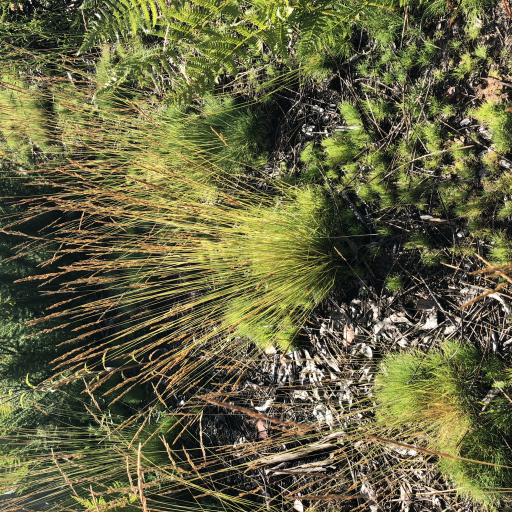
Known affectionately as Bristle Bent, Agrostis curtisii is the unsung architect of the wild, windswept heathlands of Western Europe. Often forming dense, velvety carpets across moors and coastal cliffs, this grass is a master of minimalism, thriving where more delicate species would wither. It is a "pioneer plant," frequently being the first to reclaim the earth after a landscape has been scorched by fire.
🔍 How to Identify
- 🌿 The Foliage: Unlike the broad blades of lawn grass, these leaves are tightly rolled and needle-like, giving them a "bristly" texture that feels firm to the touch.
- 🧶 Growth Habit: It grows in very distinct, tight tufts known as "tussocks." From a distance, a field of Bristle Bent looks like a sea of soft, green-gray cushions.
- 🌾 The Flowers: During the summer, it sends up delicate, airy stems topped with fine seed heads (panicles) that shimmer in the sunlight and sway with the slightest breeze.
🏡 In Your Garden
- ⛰️ The Acid Lover: This plant is a specialist. It thrives in nutrient-poor, acidic soils where other plants struggle. If you have a "difficult" patch of sandy or peaty ground, Bristle Bent will treat it like a luxury estate.
- 🔥 Fire Resilience: One of its most remarkable traits is its ability to survive heathland fires. Its deep, dense root system allows it to sprout fresh green shoots long before its neighbors, making it vital for preventing soil erosion after a blaze.
⚠️ Safety & Toxicity
- ✅ Status: Non-toxic and generally safe.
- 🐾 Details: This grass is not known to be poisonous to cats, dogs, or humans. However, because it grows in dense, wild tufts, it can sometimes be a hiding spot for ticks in rural areas—always do a quick check after walking through tall grass!
✨ Fun Fact
Bristle Bent is named after William Curtis, a famous 18th-century botanist who founded The Botanical Magazine, which is still published today and remains the longest-running botanical periodical in the world!

Detailed Care Instructions

Place in a bright room that is sun drenched almost all day. Or directly in a south-facing window.

Agrostis Curtisi is a type of plant that requires careful watering to ensure its healthy growth. To water this plant, it is important to take into consideration the soil type, weather conditions, and the plant's water requirements.
First, it is important to check the soil moisture level before watering. If the soil feels damp to the touch, then it does not require watering. However, if the soil feels dry or the plant appears wilted, it is time to water.
When watering, it is important to use a watering can or hose with a gentle flow to avoid damaging the plant. Water should be applied slowly and evenly over the soil surface, making sure not to water the leaves or stem directly. It is recommended to water early in the morning or late in the evening, when the temperature is cooler and there is less chance of the water evaporating before it is absorbed by the soil.
It is important not to overwater Agrostis Curtisi, as too much water can cause root rot and other diseases. To prevent this, make sure the soil is well-drained and avoid leaving standing water around the plant. In hot and dry weather conditions, the plant may require more frequent watering, while in cooler and wetter periods, water should be reduced accordingly.
In summary, when watering Agrostis Curtisi, check the moisture level of the soil, water slowly and evenly, avoid watering the leaves or stem directly, and make sure the soil is well-drained to prevent overwatering.
Agrostis Curtisii plants prefer a well-draining soil that maintains consistent moisture levels. The soil should be loamy, fertile, and rich in organic matter. It should have a pH level of 5.5 to 7.5. The plant requires nutrient-rich soil, so it's beneficial to add organic compost or fertilizer. The soil should be aerated to allow roots to penetrate easily. This plant also needs good drainage to prevent waterlogging. A soil with good structure and good ability to hold moisture is necessary to support healthy growth.








