Plant Overview
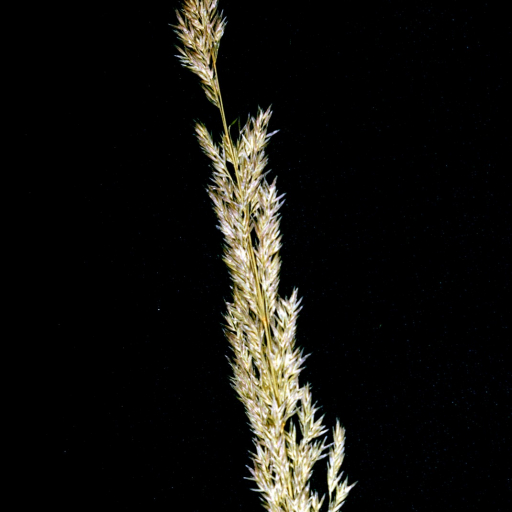
Commonly known as Spike Bentgrass, this hardy North American native is the quiet workhorse of the wilderness. Often found lining the misty banks of mountain streams or colonizing meadows after a fire, it is a "pioneer species" that helps stabilize the earth. While it lacks the flashy blooms of a garden flower, its elegant, slender silhouette provides a soft, naturalistic texture to any landscape.
🔍 How to Identify
- 🌾 The "Spike" Plume: Unlike other grasses with sprawling branches, its flowering head (panicle) is narrow, dense, and looks like a fuzzy green spike or wand.
- 🍃 Blade Texture: The leaves are relatively flat and narrow, usually showing a light to mid-green hue that turns a golden tan as the season wanes.
- 🌱 Growth Habit: It grows in distinct tufts or "bunches" rather than forming a uniform carpet like a golf course lawn.
🏡 In Your Garden
- 💧 Moisture Lover: While many grasses crave dry heat, Spike Bentgrass is a fan of the damp. It is an excellent choice for "rain gardens" or areas of the yard that stay consistently moist or have heavy clay soil.
- 🏔️ Extreme Adaptability: This plant is incredibly tough; it can be found growing at sea level all the way up to subalpine heights. This means it can handle dramatic temperature swings and less-than-perfect soil conditions.
- 🛠️ Erosion Expert: Because it establishes quickly and has a fibrous root system, it is frequently used by restoration ecologists to prevent soil from washing away after construction or natural disturbances.
⚠️ Safety & Toxicity
- ✅ Non-Toxic: Spike Bentgrass is generally considered safe and non-toxic for humans, dogs, and cats.
- 🐄 Grazer Friendly: It is a palatable forage grass for livestock and wild deer, making it a safe addition to properties where animals roam.
- 🌾 Hay Fever Alert: Like most grasses, it produces fine pollen during its blooming stage (usually mid-summer), which may trigger seasonal allergies in sensitive individuals.
✨ Fun Fact
Spike Bentgrass is a master of "succession." It is often one of the very first plants to emerge in a landscape after a forest fire or a landslide, acting as a natural bandage for the forest floor until larger shrubs and trees can return.

Detailed Care Instructions
To grow Agrostis exarata, also known as spike bentgrass, you can follow these steps:
- Choose a suitable location: Agrostis exarata prefers full sun to partial shade and well-drained soil. Ensure that the location provides enough sunlight and has good drainage.
- Prepare the soil: Before planting, prepare the soil by removing any weeds or debris. Loosen the soil with a garden fork or tiller. A slightly acidic soil with a pH between 5.5 and 6.5 is ideal for spike bentgrass.
- Sow the seeds: Agrostis exarata can be grown from seeds. Broadcast the seeds evenly over the prepared soil and gently rake them in to cover them with a thin layer of soil. Avoid burying the seeds too deep, as they require light to germinate.
- Watering: Keep the soil consistently moist during the germination process, which typically takes about two weeks. Water regularly but avoid over-watering, as it can lead to root rot.
- Fertilizing: Apply a slow-release fertilizer or organic compost to the soil before planting, following the package instructions. This will provide essential nutrients to support the growth of the bentgrass.
- Maintenance: Once the Agrostis exarata plants have grown to around 2-3 inches, you can mow them to a height of 1 inch to encourage denser growth. Regularly raking or removing fallen leaves will help prevent the grass from being smothered.
- Watering and mowing: Water the plants regularly, keeping the soil consistently moist. Spike bentgrass requires frequent watering to maintain its moisture needs. Additionally, mow the grass regularly to the desired height to keep it looking neat.
- Weed control: Regularly check for any weeds and remove them manually as they compete with the Agrostis exarata plant for nutrients and water.
- Disease and pest management: Keep an eye out for any signs of diseases or pest infestations, such as fungal infections or pests like aphids or turfgrass mites. Apply appropriate treatments if necessary, following the instructions on the product label.
By following these steps, you can successfully grow Agrostis exarata, creating a beautiful and healthy spike bentgrass lawn or landscape.

Place in a bright room that is sun drenched almost all day. Or directly in a south-facing window.

Agrostis Exarata plant needs to be watered regularly and deeply, but not to the point of waterlogging the soil. It is important to ensure the soil between waterings has a chance to slightly dry out, as overwatering can lead to root rot and other issues. The best time to water is in the morning or evening when the sun is not too hot, and avoid wetting the leaves or foliage as this can increase the likelihood of disease. A watering can or hose can be used to water the plant, taking care to direct the water towards the base of the plant, allowing it to soak in slowly. Finally, it is important to monitor the moisture levels of the soil regularly, adjusting watering frequency as necessary based on the plant's needs and environmental conditions.
To fertilize this plant, apply a balanced fertilizer in early spring before new growth appears. Use a slow-release fertilizer or one with a 3:1:2 ratio of nitrogen, phosphorus, and potassium. It is important not to overfertilize as this can lead to excessive growth and decreased health. Avoid fertilizing during periods of drought or extreme heat as this can also stress the plant. Water the plant thoroughly after fertilizing to help distribute the nutrients.
Agrostis exarata requires a well-draining soil with a neutral to slightly acidic pH. The soil should be rich in organic matter and nutrients to promote healthy growth. A sandy loam soil is ideal, but any soil that is loose and friable with good drainage will suffice. Avoid heavy or clay soils that tend to become waterlogged and retain moisture for prolonged periods. When planting Agrostis exarata, amend the soil with compost or well-rotted manure to improve soil quality and fertility. Avoid using soil that has a high salt content or is contaminated with toxic chemicals. It is recommended to test the soil pH and nutrient levels before planting to ensure that the soil is suitable for the plant's specific needs.
Agrostis exarata is a herbaceous plant that is commonly propagated through seeding. However, vegetative propagation can also be achieved by dividing the plant or taking stem cuttings. To propagate the plant through division, the mature plant is uprooted and carefully separated into portions, ensuring that each portion has a healthy root system. These portions are then planted in well-draining soil in a suitable location.
To propagate the plant through stem cuttings, healthy stems are cut from the plant and treated with a rooting hormone to encourage the formation of roots. These cuttings are then planted in moist soil and kept in a warm and humid environment until they take root. The newly rooted cuttings can then be planted in their permanent location.
It is important to note that Agrostis exarata requires a moist and well-draining soil to grow and is best planted in a location that receives partial shade. Additionally, it is a cool-season grass that grows best in cooler climates.








