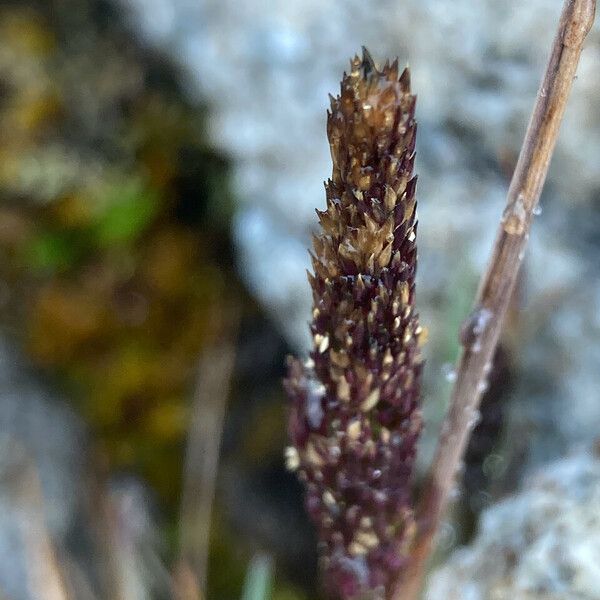
Plant Overview
Known as the Leafy Bentgrass, this delicate perennial is a master of the "wild meadow" aesthetic. Native to lush, misty regions like the Azores, it is prized for its ability to create soft, undulating carpets of green that look like they belong in a fairytale landscape. Unlike rugged lawn grasses, Agrostis foliata has an elegant, airy quality that makes it a favorite for naturalistic garden designs.
🔍 How to Identify
- 🌿 The Foliage: Features very narrow, flat, and elongated leaves that feel soft to the touch and tend to droop slightly, creating a "leafy" tufted appearance.
- ☁️ The Panicles: During blooming season, it produces highly branched, delicate seed heads that look like a light green or purple-tinged mist hovering over the grass.
- 🌱 Growth Habit: It grows in dense, low-lying clumps or tufts rather than spreading via aggressive underground runners, making it more polite in a mixed garden bed.
🏡 In Your Garden
- ⛰️ The Mountain Connection: Because this grass evolved in humid, volcanic, or coastal environments, it thrives in gardens that mimic "cool moisture." It hates baking in dry, compacted clay and prefers loose, slightly acidic soil.
- 💧 Humidity over Watering: While it needs consistent moisture, its real secret is humidity. If you live in a dry climate, planting it near a pond or in a shaded "cool spot" will prevent the tips of the leaves from browning.
- 🌾 Meadow Companion: It is best used as a filler between larger ornamental perennials or as a "living mulch" in rock gardens where its fine texture can contrast with heavy stones.
⚠️ Safety & Toxicity
- ✅ Pet & Human Safe: This grass is generally considered non-toxic to cats, dogs, and humans. It is safe for households with curious pets.
- 🤧 Allergy Alert: Like many grasses in the Agrostis genus, it produces fine pollen during its flowering phase, which may trigger mild hay fever in sensitive individuals.
✨ Fun Fact
The name Agrostis is derived from the Greek word "agros," meaning "field." While many of its cousins are used for high-end golf course putting greens because they can be mowed incredibly short, Agrostis foliata is the "wild child" of the family that prefers to grow tall and free!

Detailed Care Instructions








