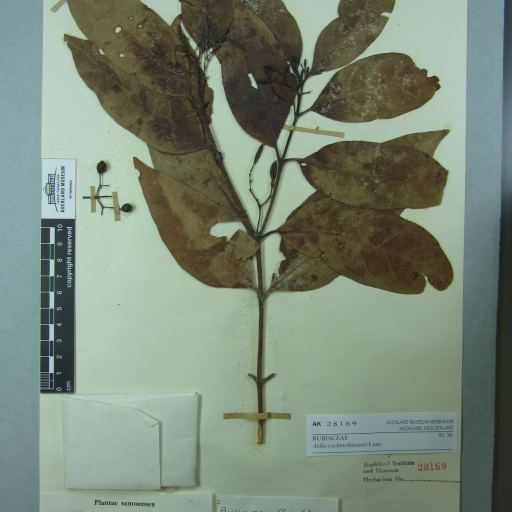
Plant Overview
Aidia cochinchinensis is an elegant, woody resident of Southeast Asian forests, often cherished for its intoxicatingly sweet floral scent. Known sometimes as the "Aidia tree" or a wild relative of the coffee plant, it transforms from an understated shrub into a fragrant centerpiece when in bloom. In its native Vietnam and surrounding regions, it is a staple of the natural landscape, bridging the gap between wild forest beauty and cultivated garden charm.
🔍 How to Identify
- 🍃 Glossy Foliage: The leaves are deep green, leathery, and lance-shaped with distinct veins, giving the plant a polished, healthy appearance year-round.
- 🌸 Star-Like Blooms: It produces clusters of small, creamy-white flowers that feature five flared petals, heavily resembling the blossoms of a jasmine or coffee plant.
- 🍒 Jeweled Berries: Following the flowering stage, the plant develops small, round fruits that transition from green to a deep, dark red or purplish-black when ripe.
🏡 In Your Garden
- 🏺 Soil & Drainage: This plant thrives in slightly acidic, well-draining soil rich in organic matter. It is sensitive to "wet feet," so ensure your pot or garden bed doesn't hold stagnant water which can lead to root rot.
- 🌥️ Light & Humidity: Being a forest-understory dweller, it appreciates dappled sunlight or partial shade. It craves high humidity; if keeping it indoors, a pebble tray or frequent misting will help mimic its tropical home.
- ✂️ Pruning Context: It has a naturally upright and somewhat airy growth habit. It doesn't require aggressive pruning, but a light trim after the flowering season ends will help maintain a bushier, more compact shape.
⚠️ Safety & Toxicity
- 🟢 General Safety: Aidia cochinchinensis is generally considered non-toxic to touch, and there are no common reports of skin irritation or contact dermatitis.
- 🐾 Pets & Children: While not listed as highly poisonous, the berries are ornamental and are not meant for human or pet consumption. As with any member of the coffee family, it is best to keep the fruit out of reach of curious nibblers to prevent potential stomach upset.
✨ Fun Fact
☕ Family Ties: Even though it doesn't produce your morning espresso, this plant belongs to the Rubiaceae family, making it a botanical cousin to both the high-caffeine Coffee plant and the fragrant Gardenia!

Detailed Care Instructions

Place in a bright room that is sun drenched almost all day. Or directly in a south-facing window.

When the top few inches of soil dry out, water your plants. If the top few inches of soil are still moist, do not water your plant. Wait a few days, then poke your finger into the soil to see if anything has changed. Overwatering poses a disease risk, such as the development of fungal diseases in the roots. These plants have adaptations in there leaves that allow them to survive in low water supply.








