Plant Overview
Known as the Worm-cure Albizia or Monoga, this resilient African native is far more than just a pretty face in the savanna. While its delicate, feathery foliage and brush-like flowers suggest a soft temperament, it is actually a rugged survivor of the dry tropics. Its specific name, anthelmintica, proudly displays its ancient history as a "living pharmacy" used by nomadic herders for centuries.
🔍 How to Identify
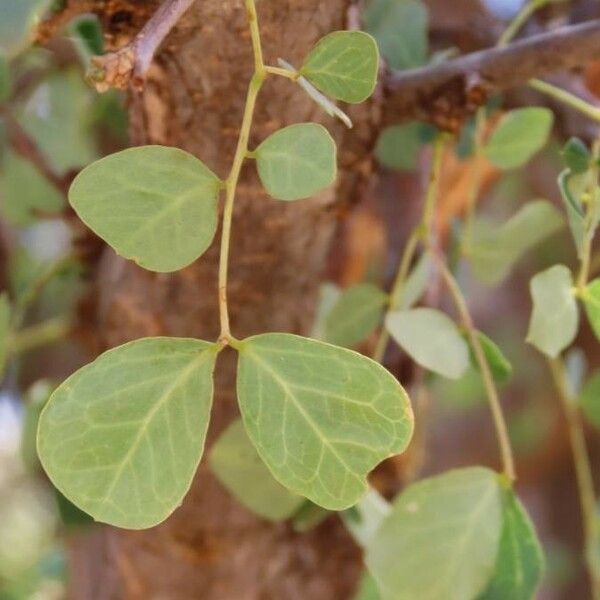
- 🌿 The Foliage: It features elegant, bipinnate leaves that look like soft green feathers, giving the tree a light, airy canopy that filters sunlight beautifully.
- ☁️ The "Puffball" Flowers: During bloom, the tree is covered in creamy-white to pale yellow flowers that look like tiny shaving brushes or pom-poms made of long, delicate stamens.
- 🪵 The Bark: The trunk is typically smooth and greyish-brown, though it becomes more textured and scarred as the tree matures and survives the elements.
🏡 In Your Garden
- 🌱 Soil Architect: As a member of the legume family, this tree is a nitrogen-fixer. It actually improves the quality of the soil it sits in, making it a "nurse tree" for other plants in your garden.
- ☀️ Drought Specialist: Once established, it is incredibly water-wise. It hates "wet feet" and thrives on neglect, making it perfect for xeriscaping or rockier parts of a landscape where other plants might wither.
- 🌳 Deep Roots: It develops a significant taproot to find water deep underground, meaning it doesn't like being moved once planted. Choose its "forever home" carefully!
⚠️ Safety & Toxicity
- 🩺 Medicinal Caution: While the bark is famous in traditional medicine for treating parasites, it contains concentrated saponins and tannins. It should never be ingested by humans or pets without professional medical supervision.
- 🐾 Pet Safety: The pods and bark can cause stomach upset if chewed by curious dogs or cats. It is best kept in areas where pets won't be tempted to use it as a chew toy.
✨ Fun Fact
The tree is so effective at its namesake job that even today, Maasai and Somali herders use a decoction of the bark to treat "helminths" (worms) in their cattle, sheep, and goats, proving that nature often provides the best medicine!

Detailed Care Instructions
To grow Albizia anthelmintica, also known as the worm bark tree, you can follow these steps:
- Climate suitability: Ensure that you live in a region with a suitable climate for Albizia anthelmintica. It is primarily found in tropical and subtropical areas, thriving in warm and frost-free conditions.
- Soil requirements: Albizia anthelmintica prefers well-draining soil. Ideally, the soil pH should be neutral to slightly acidic (around 6.0-7.0). Improve the soil quality by adding organic matter like compost or well-rotted manure.
- Seed selection and preparation: Obtain Albizia anthelmintica seeds from a reputable source. Soak the seeds in warm water for 24 hours before sowing to increase germination rates.
- Germination: Fill small pots or seed trays with a well-draining potting mix. Sow the seeds about 2-3 cm deep and cover them with a thin layer of soil. Keep the soil consistently moist but not waterlogged. Place the pots in a warm location with indirect sunlight.
- Transplanting: Once the seedlings have developed a few sets of true leaves and are sturdy enough to handle, they can be transplanted into larger pots or directly into the ground. Choose a sunny or partially shaded spot that offers protection from strong winds.
- Watering and fertilizing: Water the seedlings regularly and adjust the frequency depending on the weather conditions. Avoid overwatering as it can lead to root rot. Fertilize the plants every few months with a balanced organic fertilizer to support healthy growth.
- Pruning and shaping: Albizia anthelmintica can be trained into a desirable shape or form through regular pruning. This can help maintain its size and promote branching.
- Pest and disease management: Monitor the plant for any signs of pests or diseases. Common problems include aphids, scale insects, and leaf spot. If necessary, treat affected plants with organic pest control methods or seek professional advice.
- Maintenance: Regularly remove weeds around the base of the plant to reduce competition for nutrients and water. Mulching can help retain moisture and suppress weed growth.
- Patience and care: Growing Albizia anthelmintica may take time, and plants may take several years to establish and produce flowers. Be patient, provide adequate care, and enjoy watching your plant grow over time.

Place in a dark room with little light, like a dark bedroom or a spot far away from a window or directly in a north-facing window.

To properly water this plant, first assess its environmental conditions such as the soil moisture, sunlight exposure, and surrounding temperature. Check the soil consistently, and when it looks and feels dry to the touch, then it's time to water the plant. Use non-chlorinated water and wet the soil thoroughly, making sure to soak it until water comes out from the drainage holes. Keep in mind that over-watering can lead to root rot, so make sure not to water too frequently. Adjust the watering schedule based on the plant's growth and development, specific soil conditions, and season. It's important to note that different plants have different water needs, so be sure to research and understand the specific watering requirements of Albizia Anthelmintica before setting up a care routine.
For fertilizing Albizia Anthelmintica, apply a balanced fertilizer with an NPK ratio of 10-10-10 or 20-20-20 in the spring or early summer. Mix the fertilizer in water and pour it around the base of the plant, taking care not to splash on the leaves. Avoid over-fertilizing as it may harm the plant's roots and reduce flowering. You can also supplement the plant with organic matter like compost, leaf mold or well-rotted manure.
The soil preferred for Albizia Anthelmintica plants should be well-draining and fertile, with a pH range of 5.5 to 7.5. It should also be rich in organic matter and have good water retention properties to ensure adequate moisture for the plant. It is recommended to use a potting mix that is specifically designed for trees and shrubs, or create a mix using equal parts of loamy garden soil, peat moss, and perlite. The plant prefers a slightly acidic environment, so adding some sphagnum peat or pine bark to the soil mix can help to achieve this. It is important to avoid soil that is heavy and clayey, as this can lead to poor drainage and root rot.
Albizia Anthelmintica can be propagated through both seeds and cuttings. To propagate through seeds, collect ripe pods from the plant and break them open to remove the seeds. Soak the seeds in water for 24 hours to soften the hard outer coat, which will aid in germination. Sow the seeds in a pot filled with well-draining soil and cover them with a thin layer of soil. Water the pot regularly but avoid overwatering. The seeds should germinate in a few weeks.
To propagate through cuttings, take stem cuttings from the plant in the early spring. Each cutting should be at least 6 inches long and should have a few nodes. Dip the cut end in rooting hormone and plant the cutting in a pot filled with well-draining soil. Place the pot in a partially shaded area and keep the soil moist. In a few weeks, the cutting should start to develop roots. Once the roots have established, transplant the cutting into a larger pot or into the ground.








