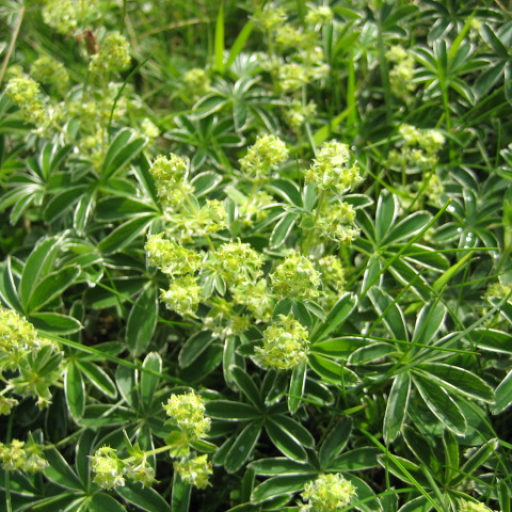
Plant Overview
Known as the "Alpine Lady’s Mantle," this shimmering perennial is a miniature masterpiece of the high mountains. Its name, Alchemilla, comes from the word "alchemy," as medieval herbalists believed the dew collected on its pleated leaves was the purest form of water, capable of turning base metals into gold. Unlike its larger, sprawling garden cousins, this species is a compact, refined beauty that looks as if it has been delicately dipped in liquid silver.
🔍 How to Identify
- 🌿 Leaf Structure: Each leaf is deeply divided into five to seven distinct leaflets, resembling a tiny, outspread hand rather than a single fan.
- ✨ Silvery Edging: The most striking feature is the fine, silky white hairs on the leaf undersides and margins, creating a glowing silver "outline" visible from above.
- 🌼 Blossoms: In early summer, it produces delicate, airy clusters of lime-green or chartreuse flowers that lack petals but add a frothy, "cloud-like" texture to the foliage.
🏡 In Your Garden
- 🏔️ Mountain Roots: This plant is a true alpine survivor, thriving in rock crevices, scree beds, and gravelly soils. It demands excellent drainage to prevent crown rot, making it a perfect candidate for rock gardens or trough containers.
- ❄️ Cooler Climates: It prefers "cool feet." While it loves bright light, it struggles in sweltering humidity or extreme heat. In warmer regions, give it a spot with morning sun and afternoon shade to prevent its delicate foliage from scorching.
⚠️ Safety & Toxicity
- ✅ Status: Non-toxic and safe.
- 🐾 Friendly Foliage: There are no known toxic effects for cats, dogs, or humans. It is a worry-free addition to a sensory garden or a path-side rockery where children might enjoy touching the soft, fuzzy texture of the leaves.
✨ Fun Fact
💧 Nature’s Pearls: Because the leaves are "super-hydrophobic" (water-repellent), raindrops do not soak into the surface. Instead, they form perfect, shimmering spheres that roll around like mercury. Alchemists used to gather these "celestial pearls" at dawn, believing they held the secret to the Philosopher’s Stone!

Detailed Care Instructions
To grow an Alchemilla Alpina plant, you can follow these steps:
- Choose the right location: Alchemilla Alpina prefers partial shade to full sun. Select a location in your garden that receives at least 4-6 hours of sunlight per day.
- Prepare the soil: Alchemilla Alpina prefers moist, well-draining soil. Amend the soil with organic matter such as compost to improve its fertility and drainage.
- Planting: Plant Alchemilla Alpina in early spring or fall. Dig a hole slightly larger than the size of the root ball. Place the plant in the hole, ensuring it is planted at the same depth it was in the container. Gently backfill the hole and firm the soil around the plant.
- Watering: Keep the soil evenly moist until the plant establishes its roots. Water deeply but less frequently, allowing the top few inches of soil to dry out between waterings. Avoid overwatering, as it can lead to root rot.
- Mulching: Apply a layer of organic mulch, such as wood chips or straw, around the base of the plant. Mulching helps retain soil moisture, suppresses weed growth, and moderates soil temperature.
- Fertilization: Alchemilla Alpina doesn't require heavy feeding. However, you can apply a balanced, slow-release fertilizer in spring to promote healthy growth. Follow the manufacturer's instructions for application rates.
- Pruning: Prune off any dead or damaged foliage to maintain the plant's appearance. After flowering, you can also cut back the plant to encourage a second flush of fresh growth.
- Division: Alchemilla Alpina can be divided every few years to rejuvenate the plant and propagate new ones. Lift the plant in early spring or fall and carefully separate the clump into smaller sections. Replant the divisions in prepared soil, ensuring each plant has enough space to grow.
- Pest and disease control: Alchemilla Alpina is relatively resistant to pests and diseases. However, keep an eye out for common garden pests like aphids or snails and treat them promptly if found.
With proper care and attention, your Alchemilla Alpina plant should grow and provide beautiful foliage and delicate flowers in your garden.

Place in a bright room that is sun drenched almost all day. Or directly in a south-facing window.

To water this particular plant, it is important to take into consideration its natural environment and the type of soil it prefers. Alchemilla Alpina plants grow in rocky, well-draining soil that doesn't retain water for too long. Therefore, it is important to water the plant sparingly and at regular intervals to prevent the soil from becoming waterlogged.
It is also important to water this plant deeply, which means watering at the base of the plant rather than from above. This helps to avoid buildup of moisture on the leaves, which can lead to fungal diseases. Once the water has been applied, allow the soil to dry out slightly before watering again.
During the summer months, when the plant is actively growing, it may require more frequent watering. You can use a moisture meter or simply check the soil moisture level by inserting a finger into the soil. If it feels dry to the touch, then it's time to water the plant.
Overall, it is important to strike a balance between providing enough water for the plant to thrive, while also ensuring that the soil doesn't become too wet. With the right care and attention, Alchemilla Alpina plants can thrive and add a beautiful touch to any garden or landscape.
To fertilize this plant, you should use a balanced, slow-release fertilizer in the spring. Apply according to the manufacturer's instructions, being careful not to over-fertilize. Avoid fertilizing during the plant's dormant period in winter. As a general rule, it is better to err on the side of caution when fertilizing this plant, as it can be sensitive to excess nutrients.
It is recommended to use a well-draining and slightly acidic soil for Alchemilla Alpina plant. The ideal soil pH range for this plant is between 5.5 and 7.0. A mixture of peat moss, sand, and perlite can be used to improve soil drainage. The plant prefers moist soil conditions, but it should not be planted in waterlogged soil. It is important to avoid the use of heavy clay or compacted soil as it can limit root growth and cause poor plant growth. Additionally, regular fertilization with a balanced fertilizer can help promote healthy growth and flowering.
Alchemilla Alpina plant can be propagated through both seeds and division of the plant. Propagation by seeds involves collecting ripe seeds in autumn and planting them in a pot or seedbed. The seeds need to be kept moist and placed in a cool location until they begin to germinate.
Propagation by division involves carefully separating smaller plantlets from the mother plant using a sharp knife or garden spade. The plantlets should be watered in well after separation and planted in a well-draining soil in a pot or directly in the garden.
Propagation by cuttings is not common for Alchemilla Alpina plant, as they do not root easily from cuttings.








