Plant Overview
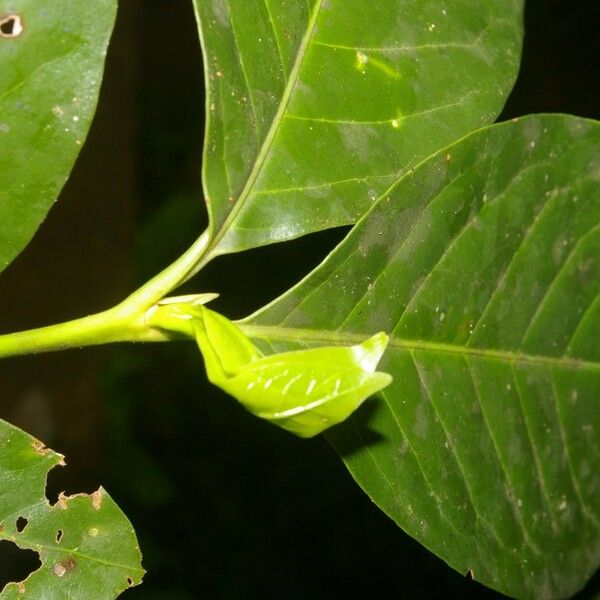
Commonly known as Achiotillo or Soldierwood, Alchornea latifolia is a resilient tropical tree that acts as a vital "pioneer" in Caribbean and Central American forests. Known for its broad, heart-shaped leaves and its ability to rapidly reclaim cleared land, it serves as a biological bridge between a damaged landscape and a flourishing ecosystem. In many regions, its fast growth and sturdy nature have earned it a reputation as a protector of the soil.
🔍 How to Identify
- 🍃 Broad Leaves: The leaves are large, alternate, and broadly ovate (egg-shaped) to heart-shaped. They often feature prominent veins that can appear reddish on younger specimens.
- 📏 Toothed Edges: Look closely at the leaf margins; they are typically coarsely toothed or "serrated," giving the edges a distinct, jagged appearance.
- 🪵 Bark Texture: The bark is relatively smooth and gray-brown, though it may become slightly fissured as the tree matures into its medium-sized stature.
- 🌾 Spiked Flowers: It produces small, inconspicuous greenish-yellow flowers on slender spikes, which eventually turn into three-lobed seed capsules that split open when dry.
🏡 In Your Garden
- 🌳 Pioneer Power: This isn't a delicate ornamental; it is a "pioneer species." It excels in sun-drenched openings and is often used in reforestation projects because it grows quickly and creates a canopy that protects slower-growing species.
- 💧 Moisture Preferences: While adaptable, it thrives best in the moist, well-drained soils typical of tropical lowlands. It dislikes prolonged drought, especially during its establishment phase.
- 🦋 Wildlife Magnet: In a landscape setting, its dense canopy and seeds provide essential shelter and food for tropical birds and beneficial insects, boosting local biodiversity.
⚠️ Safety & Toxicity
- 🐾 Mild Irritant: As a member of the Euphorbiaceae family, the sap can cause mild skin irritation or dermatitis in sensitive individuals or curious pets.
- 🚫 Not for Consumption: While various parts of the tree have been used in traditional folk medicine, the raw leaves and seeds should never be ingested. They can cause significant digestive distress if eaten by humans or domestic animals.
✨ Fun Fact
- Alchornea latifolia is nicknamed "Soldierwood" because of its upright, sturdy growth habit and its unique ability to "march" across disturbed lands, leading the way for the rest of the forest to follow!

Detailed Care Instructions
To grow an Alchornea latifolia plant, you can follow these steps:
- Obtain seeds or cuttings: You can purchase Alchornea latifolia seeds or obtain cuttings from a mature plant. Cuttings should be about 4-6 inches long with a few leaves attached.
- Prepare the soil: Alchornea latifolia prefers well-draining soil. Mix equal parts of garden soil, compost, and sand to provide a fertile and loose substrate. Fill a pot or seed tray with this mixture.
- Planting seeds: If you have seeds, sow them about ¼ inch deep in the potting mix. Cover the seeds lightly with soil and gently press it down.
- Planting cuttings: For cuttings, remove the lower leaves, dip the bottom end of the cutting in rooting hormone powder, and plant it about 2 inches deep in the potting mix. Firmly press the soil around the cutting.
- Watering: Water the soil evenly to ensure it is moist, but not waterlogged. Keep the soil consistently moist, but avoid overwatering. Alchornea latifolia prefers moderate humidity.
- Light and temperature: Place the pot or tray in a spot that receives bright, indirect light. Alchornea latifolia prefers temperatures between 60-85°F (15-30°C). Protect the plant from extreme temperatures and frost.
- Maintenance: Regularly check the soil moisture and water as needed. Fertilize the plant every 2-4 weeks using a balanced, water-soluble fertilizer during the growing season (spring to fall). Prune the plant to maintain its shape and remove any dead or damaged parts.
- Transplanting: When the seedlings or cuttings have grown enough, and the weather is suitable (usually after the last frost), you can transplant them into larger pots or into a garden bed. Ensure proper spacing, as Alchornea latifolia can grow quite large.
- Pest and disease control: Alchornea latifolia is generally a hardy plant, but it can be susceptible to spider mites, scale insects, and fungal diseases. Regularly inspect the plant for any signs of pests or diseases and take appropriate measures to control them.
By following these steps, you should be able to successfully grow an Alchornea latifolia plant.
To properly water the Alchornea latifolia plant, it is essential to consider a few factors.
Firstly, it is crucial to determine the watering needs of the plant by assessing the soil moisture. Insert your finger about an inch deep into the soil near the plant's base. If the soil feels dry, it indicates that watering is required. However, if the soil feels moist, you should refrain from watering for the time being.
When watering, it is advisable to use room temperature or slightly warmer water. This helps prevent shock to the plant's root system and ensures better absorption.
Slowly pour water around the plant's base, allowing it to seep into the soil gradually. It is essential to water evenly around the entire root zone to prevent any imbalances in moisture distribution.
Avoid overwatering, as excessively moist soil can lead to root rot or other water-related issues. It's better to provide a deep watering once the soil has almost dried out instead of frequent shallow watering. This helps encourage the plant's roots to grow deeper and establish a stronger foundation.
Furthermore, consider the environmental conditions when determining the watering frequency. In hot and dry climates, the plant may require more frequent watering, while in cooler and more humid conditions, watering may be less frequent.
Throughout the process, it's important to closely monitor the plant's foliage and overall health. If the leaves appear droopy or wilted, it may be a sign of underwatering, while yellowing or leaf drop could indicate overwatering. Adjust the watering regimen accordingly.
Overall, a cautious and observant approach to watering will help maintain the health and vitality of the Alchornea latifolia plant.
To fertilize the Alchornea Latifolia plant, follow these instructions:
- Choose a balanced, slow-release fertilizer specifically designed for woody plants or use a general-purpose fertilizer with a ratio of 10-10-10 (nitrogen-phosphorus-potassium).
- Apply the fertilizer during the growing season, preferably in early spring or early summer.
- Dilute the fertilizer according to the instructions on the package. Usually, it's a tablespoon of fertilizer per gallon of water.
- Carefully pour the diluted fertilizer around the base of the plant, avoiding direct contact with the stem or leaves.
- Use a watering can or a hose with a gentle spray to ensure the fertilizer is evenly distributed.
- Avoid overfertilizing, as it can burn the roots and damage the plant. Always follow the recommended dosage on the fertilizer package.
- After application, thoroughly water the plant to help the fertilizer penetrate the soil and reach the root zone.
- Monitor the plant's foliage for any signs of nutrient deficiency or excess. Adjust the fertilizer dosage or frequency accordingly.
- Remember to always follow good watering practices, as excess water can leach nutrients from the soil, affecting the effectiveness of fertilizers.
- Regularly inspect the plant for any pests or diseases, and address them promptly to ensure optimal growth and health.
Remember, each plant's fertilization needs may vary based on factors like soil type, sunlight exposure, and climate conditions.
For optimal growth of Alchornea latifolia, it is recommended to use a well-draining and fertile soil mix. A suitable soil type for this plant is a loamy soil, which is a mixture of sand, silt, and clay in balanced proportions.
The soil should have good water retention capacity to ensure the plant receives adequate moisture, but should also allow excess water to drain away to prevent waterlogging, which can lead to root rot. Adding organic matter such as compost or aged manure to the soil will improve its fertility, moisture retention, and drainage.
The pH level of the soil should be slightly acidic to neutral, ranging from 6.0 to 7.0. It is beneficial to periodically monitor the pH level and adjust it accordingly using amendments such as sulfur or lime.
Additionally, it is important to ensure that the soil is free from contaminants and pollutants that may harm the Alchornea latifolia plant. Avoid using soil from areas with potential chemical or industrial contamination.
Regularly inspect the soil condition, and if it becomes compacted, it is advisable to loosen it gently with a garden fork or tiller to improve aeration and nutrient penetration.
Overall, providing Alchornea latifolia with a well-balanced, well-draining, fertile soil will create an ideal growing environment, promoting healthy growth and development.
Alchornea latifolia is a perennial plant that can be propagated through various methods such as:
- Stem Cuttings: Select a healthy, non-flowering stem that is approximately 6-8 inches long. Make a clean cut just below a node (where leaves emerge). Remove any lower leaves, leaving only a few leaves at the top. Dip the cut end in rooting hormone powder to enhance root development. Plant the cutting in a well-draining potting mix, keeping the soil consistently moist. Place the pot in a warm and brightly lit area, avoiding direct sunlight. Rooting usually occurs within 4-8 weeks.
- Air Layering: Identify a suitable stem on the plant for air layering. Make a slanted cut about 1/3 through the stem, just below a node. Apply a rooting hormone to the cut area. Surround the cut section with sphagnum moss or moist peat moss, ensuring it is firmly packed and secured with cling wrap or plastic. Keep the moss moist by misting it regularly. After a few weeks to a couple of months, roots should develop. Once they are well-established, carefully cut below the root zone and plant the new plant in a pot or desired location.
- Division: This method is suitable for mature Alchornea latifolia plants. Carefully dig up the plant, trying not to damage the roots. Gently separate the rootball into multiple sections, ensuring each section has a good amount of root mass. Replant the divided sections in well-prepared soil or pots, keeping them adequately watered until established.
- Seeds: Collect mature seeds from the plant. Soak the seeds in warm water for a few hours or overnight to aid germination. Plant the seeds in a well-draining seed-starting mix, covering them lightly with soil. Maintain a warm and humid environment, such as using a propagator or covering the pots with a plastic bag. Keep the soil moist but not waterlogged. Germination may take several weeks to several months, so be patient and provide the necessary care until seedlings emerge.
Remember to provide suitable growing conditions for the propagated plants, including bright indirect light, well-draining soil, regular watering, and occasional fertilization. With proper care, Alchornea latifolia can thrive and grow into mature, beautiful plants.








