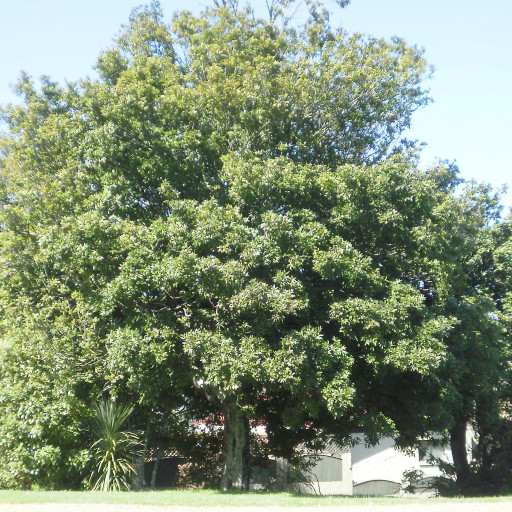
Plant Overview
Known affectionately as the Tītoki or "New Zealand Oak," this elegant evergreen is a staple of the Southern Hemisphere’s lush landscapes. With its glossy, textured foliage and curious fruit that resembles a staring eyeball, it brings a touch of ancient forest magic to any garden. In Māori culture, the Tītoki was a prized resource, valued for everything from cosmetic oils to traditional medicine.
🔍 How to Identify
- 🍃 Lush Foliage: The leaves are "pinnate" (feather-shaped) with wavy, serrated edges and a deep green, glossy finish that reflects the sunlight beautifully.
- 🧶 Velvety Shoots: Look closely at the new growth; the young twigs and flower stalks are often covered in fine, rusty-brown hairs, giving them a soft, suede-like texture.
- 👁️ The "Eyeball" Fruit: Its most striking feature is a woody capsule that splits open to reveal a bright scarlet, fleshy "berry" (aril) cradling a single, jet-black seed—looking remarkably like a bird's eye.
🏡 In Your Garden
- 🌳 Coastal Warrior: The Tītoki is incredibly hardy once established. It thrives in coastal conditions and can withstand salt spray and heavy winds, making it an ideal choice for a sturdy privacy screen or street tree.
- 🧊 Frost Sensitivity: While it is a tough survivor, young saplings are quite sensitive to the cold. If you are planting in a frost-prone area, give your Tītoki a "frost coat" or overhead shelter for its first three winters to ensure it survives the transition.
- 🐦 Bird Magnet: If you enjoy birdwatching, this tree is a must-have. Native birds are highly attracted to the vibrant red fruit, turning your garden into a bustling hub of activity during the fruiting season.
⚠️ Safety & Toxicity
- 🐾 Potential Irritant: While the fleshy red part of the fruit is not considered deadly, the black seeds contain cyanogenic glycosides which can be toxic if consumed in large quantities.
- 👶 Keep Away from Kids: Because the fruit looks so much like candy or a toy, it is best to keep small children away from the fallen seeds. Ingestion can lead to stomach upset or more serious digestive issues.
✨ Fun Fact
- 🧴 Ancient Beauty Secret: For centuries, Māori people collected and crushed the black seeds of the Tītoki to extract a high-quality, fragrant oil. This oil was used as a luxurious skin moisturizer and hair tonic, often scented with aromatic leaves like Geniostoma to create a prehistoric perfume.

Detailed Care Instructions

Place in a bright room that is sun drenched almost all day. Or directly in a south-facing window.

To water the plant, it is important to first check the soil moisture level by feeling the top inch of soil with your fingers. If the soil feels dry, it's time to water the plant.
To water the plant properly, slowly pour water around the base of the plant until the soil is moist, but not waterlogged. Ensure that excess water is draining properly from the pot or the soil to prevent root rot.
It is important to avoid letting the plant sit in standing water, as this can lead to root rot and other diseases. Also, wait until the soil has almost completely dried out before watering again.
During the winter months, reduce watering frequency, as the plant’s growth rate slows down. In addition, if the indoor environment is dry due to heating, it may be necessary to mist or humidify the plant to maintain healthy growth.
The recommended soil for planting Alectryon excelsus is well-draining and rich in organic matter. It should have a pH level of 6.0-7.5, which is slightly acidic to neutral. The soil should be able to retain moisture but at the same time, it shouldn't be waterlogged. A mix of sand, gravel, and loam in equal parts is also recommended. Additionally, adding compost or aged manure can help improve soil fertility and promote healthy growth. The soil should also be prepared by removing any weeds or debris before planting.








