Plant Overview
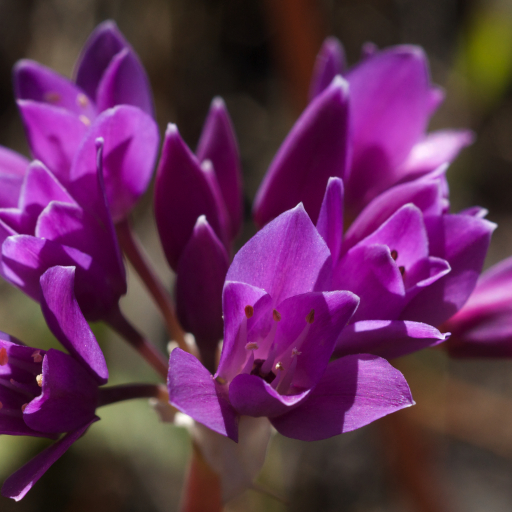
Commonly known as the Coastal Onion, this California native is a vibrant hidden gem of the Pacific coastline. Unlike the common onions in your pantry, this wild beauty thrives on rugged cliffs and rocky outcrops, braving the salty sea spray with ease. Its striking magenta blooms act as a colorful beacon for local butterflies and bees during the late spring months.
🔍 How to Identify
- 🌸 Vivid Blooms: It features dense, spherical clusters (umbels) containing 5 to 30 star-shaped flowers that range from deep rose to a rich, punchy magenta.
- 🍃 Grass-like Foliage: The plant produces two or three narrow, channeled leaves that often begin to wither or turn brown just as the flowers reach their peak.
- 🧅 The "Two Cloaks": Below the soil, it grows from a small, egg-shaped bulb protected by a distinct reddish-brown, papery outer coat which gives the plant its scientific name.
🏡 In Your Garden
- 🌊 Coastal Resilience: This plant is a master of the "salt life." It is perfect for rock gardens or coastal landscapes, as it prefers gritty, well-draining soil and can handle wind and salt air much better than traditional garden flowers.
- 💤 Summer Dormancy: As a Mediterranean-climate bulb, it enters a deep sleep during the dry summer months. To keep it healthy, stop watering once the flowers fade; the bulb needs a dry "baking" period in the soil to reset for the next year.
⚠️ Safety & Toxicity
- 🐾 Toxic to Pets: Like all members of the Allium genus (including garlic and chives), this plant contains compounds that can cause red blood cell damage in dogs and cats if ingested.
- 👅 Identification Warning: While it smells strongly of onion, it should never be foraged for food by amateurs. It can be easily confused with the "Death Camas," a highly toxic look-alike bulb that often grows in similar habitats.
✨ Fun Fact
The species name dichlamydeum is derived from the Greek words for "two" and "cloak," referring to the double-layered protective skin that shields the bulb from the harsh, salty coastal environment.

Detailed Care Instructions
To grow Allium Dichlamydeum, also known as Wild Garlic, you can follow these steps:
- Choose a suitable location: Allium Dichlamydeum thrives in well-draining soil and prefers full sun. Find a spot in your garden that receives at least 6 hours of direct sunlight each day.
- Prepare the soil: Remove any weeds or debris from the selected area and loosen the soil using a garden fork or tiller. Add organic matter, such as compost or well-rotted manure, to improve soil fertility and drainage.
- Planting: Allium Dichlamydeum can be grown from seeds or bulbs. If using bulbs, plant them in the soil about 2-3 inches deep and space them 4-6 inches apart. If using seeds, follow the instructions on the seed packet for planting depth and spacing.
- Watering: After planting, water the area thoroughly to ensure the soil is moist but not waterlogged. Allium Dichlamydeum prefers moderate moisture levels, so water when the top inch of soil feels dry.
- Mulching: Apply a layer of organic mulch, such as straw or wood chips, around the plants to help retain soil moisture and suppress weeds.
- Maintenance: Keep an eye on the plant's moisture needs and water accordingly. Allium Dichlamydeum is generally low-maintenance and doesn't require regular fertilization. However, you can provide a balanced fertilizer once or twice during the growing season if desired.
- Harvesting: You can harvest the leaves of Allium Dichlamydeum throughout the growing season. Simply cut the leaves at the base as needed. The bulbs can also be harvested after the leaves wilt and turn brown in late summer or early fall.
Remember that Allium Dichlamydeum can spread easily, so it might be a good idea to plan its location accordingly or grow it in containers to control its growth.

Place in a bright room that is sun drenched almost all day. Or directly in a south-facing window.

To properly water this plant, first ensure that the soil is completely dry before watering. When watering, ensure that the water is evenly distributed across the soil, and that the soil is not waterlogged. Avoid getting water on the leaves or stem of the plant, as this can cause damage. Allow the plant to drain completely after watering, and do not water again until the soil has become dry again. It is important to maintain consistent moisture levels in the soil, without over-watering.
To fertilize the Allium Dichlamydeum plant, you can follow these guidelines:
- Choose a balanced fertilizer: Select a slow-release, balanced fertilizer with a ratio of nitrogen, phosphorus, and potassium (NPK) of approximately 10-10-10 or similar.
- Timing of fertilization: Apply fertilizer in early spring, when new growth emerges, or during the growing season when the plant is actively growing.
- Dilute the fertilizer: Prepare a solution by diluting the fertilizer with water, following the package instructions. Aim for a concentration of about half the recommended strength to avoid over-fertilization.
- Apply the fertilizer: Carefully pour the diluted fertilizer solution around the base of the plant, avoiding direct contact with leaves or stems. Ensure that the fertilizer is distributed evenly around the plant.
- Water thoroughly: After fertilizing, water the plant thoroughly to help the nutrients penetrate the soil and reach the plant's roots.
- Repeat fertilization: Depending on the specific needs and growth of the Allium Dichlamydeum plant, repeat fertilization every four to six weeks during the growing season if necessary. However, be cautious not to over-fertilize, as it may lead to nutrient imbalances or burn the plant.
- Observe plant response: Monitor the plant's overall health and growth. If you notice any signs of nutrient deficiency or excessive fertilization (such as yellowing leaves or stunted growth), adjust the fertilizer application accordingly.
Remember to always read and follow the instructions provided on the specific fertilizer product you choose as there may be slight variations in application.
To grow this particular plant, it is recommended to use well-draining soil that is rich in organic matter. The pH of the soil should be slightly acidic to neutral, ideally within the range of 6.0-7.0. It is also important to ensure that the soil has good aeration, as this plant does not tolerate waterlogged or compacted soils. A sandy loam soil is generally considered ideal for growing this plant, but it can also be grown successfully in other types of well-draining soil. Prior to planting, it is a good idea to amend the soil with compost or other types of organic matter to help improve its fertility and overall quality. Additionally, adding a balanced fertilizer to the soil can help provide the plant with the nutrients it needs to grow and thrive.
To propagate this plant, you will need to collect seeds from the mature plant, which can be harvested in the fall. Once the seeds are collected, they should be planted in a well-draining soil mix in a pot or seed tray. The soil should be kept moist and in a warm location, preferably with indirect sunlight.
The seeds should germinate in about two weeks, and once the plants have developed two or three leaves, they can be transplanted into larger pots or directly into the ground. It is important to water the plants regularly and provide fertilization every few weeks to encourage healthy growth.
Alternatively, mature plants can be divided in early spring or fall by carefully separating the bulbs and replanting them in a suitable location. This method is more time-efficient and can produce faster results than propagating through seeds.








