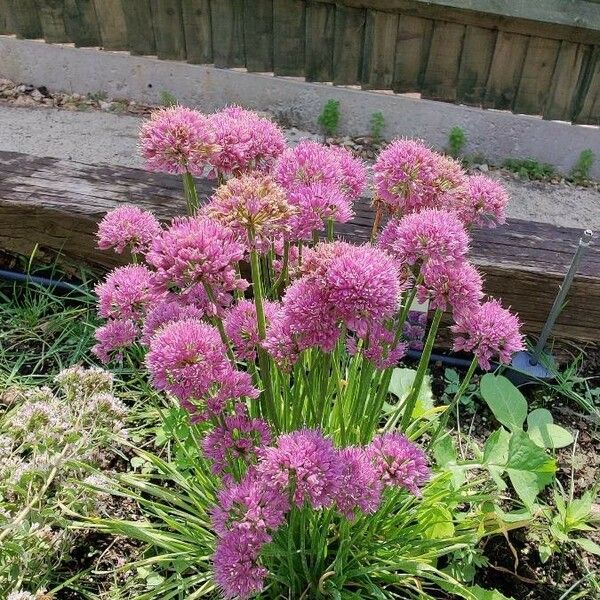
Plant Overview
Hailing from the high, rocky ridges of the Pyrenees mountains between France and Spain, Allium pyrenaicum is a rare mountain treasure. Often called the Pyrenean Leek, this elegant wild onion is a "living relic" of the alpine landscape, standing tall against harsh winds. While it looks like a sophisticated ornamental garden plant, it is actually a resilient survivor perfectly adapted to life on limestone cliffs.
🔍 How to Identify
- 🌸 The Bloom: It produces a dense, perfectly spherical "umbel" (flower head) packed with dozens of tiny, bell-shaped flowers that range from creamy white to soft pink or pale purple.
- 📏 The Stature: The plant features a single, sturdy, and leafless flowering stalk that can reach up to 1 meter in height, topped by its distinctive globe.
- 🍃 The Foliage: Long, slender, strap-like leaves emerge from the base. These often begin to wither just as the flower reaches its peak, a common trait among many wild Alliums.
🏡 In Your Garden
- 🪨 Alpine Roots: Because its natural home is on rocky slopes, this plant "hates wet feet." It requires exceptionally well-drained soil; otherwise, the bulb will rot during the winter dormancy.
- ☀️ Sun Seeker: It thrives in full, unobstructed sunlight. In the wild, it grows on exposed ledges where it receives intense UV rays, so don't hide it under the shade of larger shrubs.
- 🐝 Pollinator Magnet: Its nectar-rich globes are a favorite for mountain bees and butterflies, making it an excellent choice for a biodiversity-focused rock garden.
⚠️ Safety & Toxicity
- 🐾 Toxic to Pets: Like all members of the Allium family (including onions and garlic), this plant contains thiosulphates. It is toxic to dogs and cats if ingested, as it can damage their red blood cells.
- 👶 Human Safety: While not typically "poisonous" to touch, the concentrated oils in the bulb can cause mild skin irritation for those with sensitive skin. It is best treated as an ornamental rather than a culinary herb.
✨ Fun Fact
Allium pyrenaicum is considered a narrow endemic, meaning it grows naturally in only one specific geographic location on Earth. If you see it in the wild, you are looking at a botanical celebrity that has called the same limestone cliffs home for thousands of years!

Detailed Care Instructions
To grow Allium pyrenaicum (Pyrenean Garlic), follow these steps:
- Choose a suitable location: Allium pyrenaicum prefers a well-draining soil and full sun or partial shade. Select a spot in your garden that receives at least six hours of direct sunlight daily.
- Prepare the soil: Amend the soil with organic matter such as compost or well-rotted manure to improve drainage and add nutrients. Allium pyrenaicum can tolerate a range of soil types, including sandy, loamy, or clay soils.
- Planting time: The best time to plant Allium pyrenaicum is in the fall, usually in September or October. If planting in spring, do so as soon as the ground thaws and can be worked.
- Planting process: Dig a hole around 3-4 inches deep and place the Allium pyrenaicum bulb into the hole with the pointed side facing up. Space the bulbs about 4-6 inches apart. Cover the bulbs with soil, firm it gently, and water thoroughly.
- Watering and maintenance: Keep the soil consistently moist but not waterlogged during the plant's growing season. Water deeply and infrequently, allowing the soil to dry out between waterings. Mulching can help retain moisture and suppress weed growth.
- Fertilizing: Allium pyrenaicum doesn't typically require additional fertilization if grown in nutrient-rich soil. However, if your soil is poor, you can apply a balanced slow-release fertilizer in early spring.
- Pest and disease control: Allium pyrenaicum is generally resistant to pests and diseases. However, keeping the garden clean, removing any dead or decaying foliage, and practicing good gardening hygiene can help prevent any potential issues.
- Propagation: Allium pyrenaicum can be propagated by separating the bulbs in early autumn. Dig up the clumps, separate the bulbs, and replant them at the desired spacing.
- Pruning: After the flowers have finished blooming and the foliage turns yellow, you can trim back the spent flower stalks and leaves. However, allow the leaves to die back completely before removing them, as they provide nutrients to the bulbs.
By following these steps, you can successfully grow Allium pyrenaicum in your garden and enjoy its beautiful flowers.
Allium Pyrenaicum plant is a perennial herbaceous plant that belongs to the genus Allium. It produces a bulb that needs to be watered according to its needs. The plant requires moderate watering during its growing season, from spring to summer. It is essential to water the plant only when the soil dries out. Overwatering can lead to root rot and other plant diseases, while underwatering can lead to stunted growth and decreased plant health.
The watering amount can be determined by feeling the soil around the plant. The soil should be moist but not soaking wet before watering again. The plant can also suffer if it sits in waterlogged soil for an extended period. It is vital to make sure that the water drains away from the soil quickly.
The plant's water requirements may vary depending on the weather, soil type, and location. In dry weather or during summertime, the plant may need more frequent watering. In contrast, the plant may require less watering during winter. In general, a well-established plant can survive on its own during most weather conditions, requiring only occasional watering during extreme weather conditions.
Overall, it is essential to monitor the plant's moisture level by checking the soil's moisture level frequently to ensure a healthy plant.
To fertilize this plant, mix a balanced, all-purpose fertilizer into the soil around the base of the plant according to package instructions. Water the soil thoroughly after fertilizing. Avoid over-fertilizing as this can lead to excessive foliage and reduced flower production.
Allium Pyrenaicum can thrive well in a well-drained soil that is not heavy in texture. It grows well in soils that are loamy or sandy, and it can also tolerate slightly alkaline soils. The soil should be rich in organic matter and nutrients to promote healthy growth. Adding compost and other organic materials can help improve soil structure and fertility. The soil should have a pH level of 6.5 to 7.5. It is important to avoid soils that are too wet or poorly drained as they can result in root rot and other diseases. Adequate sunlight and proper water management are also essential for the growth and health of Allium Pyrenaicum.
To propagate this plant, you can divide the rhizomes in early spring or fall. First, dig up the plant and gently separate the rhizomes. Cut any dead or damaged parts off the rhizomes, and ensure each section has at least one healthy shoot and some roots. Replant the sections at the same depth they were originally growing and water well.
Alternatively, you can propagate this plant from seed. Collect the seed heads in late summer or fall and spread them out to dry. Remove the dried seeds from the heads and store them in a cool, dry place until you're ready to sow them. In early spring, sow the seeds in trays or pots filled with moist seed compost. Cover with a thin layer of compost and keep in a bright, warm location. Once the seedlings are large enough to handle, transplant them into individual pots and keep them in a greenhouse or sheltered location until they're ready to be planted outside.








