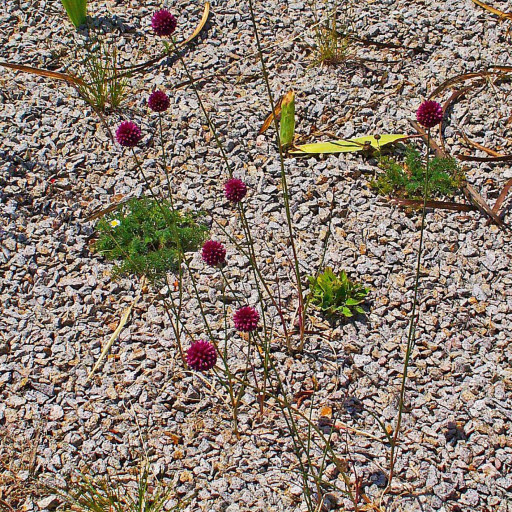
Plant Overview
Commonly known as the Drumstick Allium or Round-headed Leek, this striking ornamental onion is a favorite among garden designers for its architectural elegance and unique color-changing blooms. Originating from the meadows of Europe and North Africa, it acts like a living paintbrush in the summer border, dancing on wiry stems that seem to defy gravity.
🔍 How to Identify
- 🧶 Flower Head: Small, dense, egg-shaped clusters (umbels) about 1 to 2 inches wide. Unlike perfectly round Alliums, these are distinctly oval.
- 🎨 The "Ombre" Effect: The blooms undergo a beautiful transition, starting as a solid grassy green and slowly turning a deep claret or burgundy-purple from the top down.
- 🎋 Slender Stems: It grows on exceptionally thin, sturdy stems that can reach up to 3 feet tall, often swaying gracefully in the breeze.
- 🍃 Foliage: The leaves are hollow, blue-green, and grass-like, though they typically begin to wither and turn yellow just as the flowers start to shine.
🏡 In Your Garden
- 🌱 The "Intermingler": Because the stems are so thin and the base foliage is sparse, this plant is perfect for tucking between lower-growing perennials. It "peeks" through other plants without crowding them.
- ☀️ Sun & Drainage: To prevent the tall stems from flopping, these need full sun and very well-draining soil. They are incredibly drought-tolerant once established and are rarely bothered by deer or rabbits who dislike the onion scent.
- 🍂 The Vanishing Act: Don't be alarmed when the leaves start to look "shabby" before the flower opens; this is a natural trait of Alliums. Planting them behind silvery foliage like Lavender or Artemisia helps hide the maturing leaves.
⚠️ Safety & Toxicity
- 🐾 Toxic to Pets: Like all members of the Allium genus (including garlic and onions), this plant is toxic to cats and dogs if ingested.
- 🤢 Human Consumption: While technically edible in small amounts, it can cause significant stomach upset, nausea, and vomiting if eaten in large quantities. It is best treated strictly as an ornamental plant.
✨ Fun Fact
The Drumstick Allium is a "pollinator party" plant. Because the individual tiny florets open at different times over several weeks, it provides a long-lasting nectar source that is particularly irresistible to honeybees and butterflies.

Detailed Care Instructions
To grow Allium Sphaerocephalon (also known as drumstick allium or round-headed leek), follow these steps:
- Planting time: Plant the bulbs in the fall, around 2-3 weeks before the ground freezes. This allows the bulbs to establish a root system before winter.
- Soil preparation: Choose a location with well-draining soil. Alliums prefer sandy or loamy soil. Improve the soil with organic matter such as compost or well-rotted manure to enhance drainage and nutrient content.
- Sun exposure: Alliums thrive in full sun, so choose a location that receives at least 6-8 hours of direct sunlight per day.
- Planting depth and spacing: Dig a hole that is about 3 times the depth of the bulb and space them around 4-6 inches apart. If you are planting multiple bulbs, create clusters or drifts for a more dramatic effect.
- Planting technique: Place the bulbs in the hole with the pointed side facing up. Cover the bulbs with soil, firming it gently. Water thoroughly.
- Watering: Alliums prefer soil that is evenly moist but not boggy. Water the plants regularly but avoid overwatering as it can cause bulb rot. Allow the soil to partially dry out between waterings.
- Fertilizing: Alliums usually do not require much fertilizer. If the soil is poor in nutrients, you can apply a balanced slow-release fertilizer during planting time or in early spring. Follow the package instructions for the appropriate amount to use.
- Mulching: Apply a layer of organic mulch such as straw or wood chips around the plants to help conserve moisture, suppress weeds, and protect the bulbs during winter.
- Maintenance: Remove any dead flower stalks or foliage after they have withered. This helps to prevent disease and keep the garden tidy. In early spring, new shoots should emerge from the ground.
- Division: Allium bulbs do not need to be divided frequently, but if the clumps become overcrowded or after several years, you can dig up and separate the bulbs during their dormant period. Replant the divided bulbs in their new positions.
Remember, Allium Sphaerocephalon is a perennial plant, meaning it will come back year after year with proper care and maintenance.

Place in a bright room that is sun drenched almost all day. Or directly in a south-facing window.

To water this plant, ensure that the soil is dry up to a depth of about 1-2 inches before watering. When watering, do so slowly to avoid saturating the soil and damaging the roots. Water the base of the plant, trying not to wet the leaves or flowers to prevent the onset of fungal diseases. Depending on the climate and soil conditions, this plant may require moderate to regular watering. Monitor the soil moisture level and adjust the frequency and amount of watering accordingly.
To fertilize this plant, it is recommended to apply a balanced fertilizer in early spring or fall. Mix the fertilizer into the soil around the plant, making sure not to get it on the leaves or stem. Water the plant well after fertilizing. Repeat this process every 4-6 weeks during the growing season. Avoid fertilizing during the dormant period.
The recommended soil for this particular plant is well-draining and slightly alkaline. It should be loamy and rich in organic matter, but not too heavy or compacted. The ideal pH level for the soil is between 6 and 7.5. In terms of soil texture, a sandy loam or silt loam is preferred. It's important to avoid clay soils, which can retain too much moisture and lead to root rot. When planting Allium Sphaerocephalon, it's recommended to amend the soil with compost or well-rotted manure to improve drainage and fertility. Additionally, the plant prefers a location with full sun exposure and good air circulation.
To propagate this plant, you will need to remove the bulbs from the mother plant during the dormant season. Gently pull the bulbs from the soil and carefully separate them from the main bulb. Allow the bulbs to dry in a cool, dry place for a few days before planting them in a nutrient-rich soil mix. Plant the bulbs at a depth of 2-3 times their own height and space them evenly apart. Water the bulbs well and place them in a bright, sunny location. The bulbs will begin to sprout after a few weeks and should be kept moist but not waterlogged. Once the plants have established a healthy root system, they can be transplanted into their permanent location outdoors.








