Plant Overview
Known as the iconic Desert Oak, this majestic sentinel of the Australian Outback looks like something straight out of a prehistoric landscape. Despite its name, it isn't a true oak, but its incredibly hard wood and grand stature in the arid Red Centre earned it this title. It is a master of survival, enduring blistering heat and years of drought while providing vital shade to the desert's inhabitants.
🔍 How to Identify
- 🌿 Slender Cladodes: Instead of traditional leaves, it features long, drooping, grey-green "needles" (specialized branchlets) that minimize water loss in harsh sun.
- 🪵 Corky Bark: The trunk is protected by thick, deeply fissured, dark grey bark that is remarkably fire-resistant and feels like rough cork to the touch.
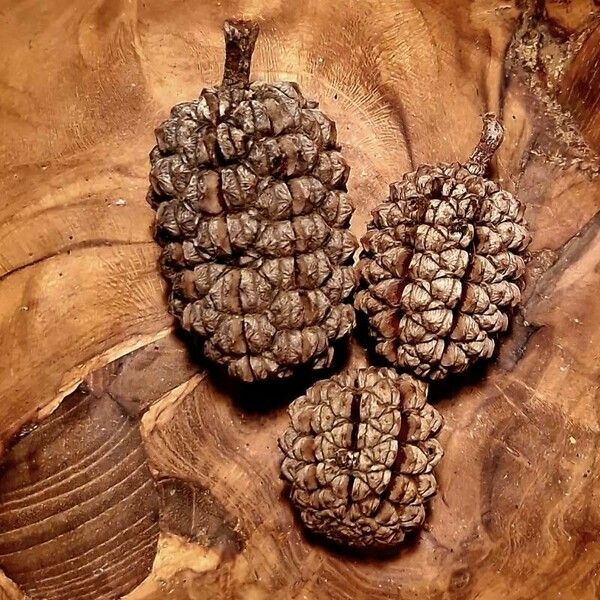
- 🌰 Woody Cones: It produces large, cylindrical, woody seed cones (up to 5cm long) that are much chunkier and more prominent than those of its coastal relatives.
🏡 In Your Garden
- 🏜️ The "Firestick" Phase: In its youth, the Desert Oak grows straight up like a narrow, fuzzy pole to reach for the sun while its taproot hunts for deep water. Don't be alarmed if it doesn't "branch out" for many years—it's just building its foundation!
- 🌬️ Deep Taproot Wisdom: Because it develops a massive, deep-reaching taproot, it is nearly impossible to transplant once established. Choose its permanent home carefully, ensuring well-draining sandy soil and plenty of room to grow.
⚠️ Safety & Toxicity
- ✅ Safe Status: Allocasuarina decaisneana is non-toxic to humans, dogs, cats, and livestock.
- 🦶 Physical Hazard: While chemically safe, the fallen woody cones are very hard and can be uncomfortable to step on. The "needles" can also be slightly scratchy, though they are generally not sharp enough to pierce the skin.
✨ Fun Fact
The Desert Oak is famous for the "aeolian sound" it produces; when the desert wind passes through its fine branchlets, it creates a haunting, melodic sighing or whistling sound that has been a staple of Australian folklore for generations.

Detailed Care Instructions







