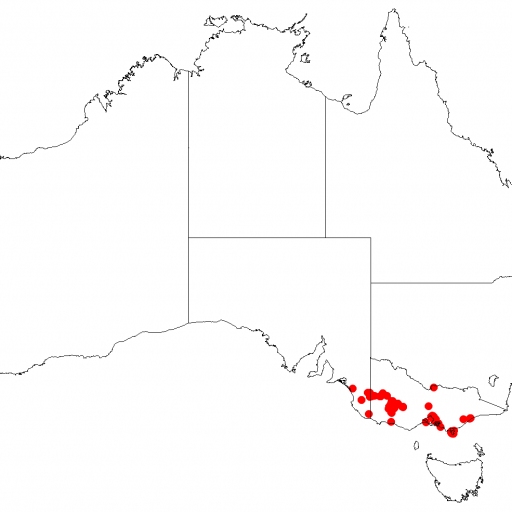
Plant Overview
Often called the Dwarf She-oak, this Australian native is a master of botanical disguise. While it appears to be a miniature pine tree at first glance, it is actually a specialized flowering plant that has swapped traditional leaves for green, needle-like stems. In its homeland, it is celebrated for the soft, "sighing" whistle it produces when the wind brushes through its dense canopy.
🔍 How to Identify
- 🌿 The "Needles": What look like pine needles are actually segmented green stems called cladodes. The true leaves are reduced to microscopic, tooth-like scales visible only at the joints of these stems.
- 🌰 Woody Cones: Female plants produce cylindrical, barrel-shaped cones. These start as soft, reddish tufts and mature into hard, weathered gray-brown seed pods.
- 🎨 Rust-Colored Blooms: During flowering season, male plants take on a rusty-golden hue as thousands of tiny flower spikes develop at the tips of the branchlets.
🏡 In Your Garden
- 🏜️ Drought Specialist: This is a "set and forget" plant for those in dry climates. Its deep root system allows it to thrive in sandy, nutrient-poor soils where other plants might wither.
- 🧪 Soil Architect: Like legumes, the Dwarf She-oak has a symbiotic relationship with soil bacteria. It "fixes" nitrogen from the air into the ground, actually improving the soil quality for its neighbors.
- 🌬️ Natural Windbreak: Because of its dense, twiggy growth habit, it makes an excellent low-growing screen or windbreak for coastal gardens, as it is highly resistant to salt spray.
⚠️ Safety & Toxicity
- ✅ Non-Toxic: Allocasuarina paradoxa is not known to be poisonous to humans, cats, or dogs.
- 🪵 Physical Texture: While safe to touch, the woody cones and stiff branchlets can be scratchy. If you have curious pets who like to chew, the hard cones could pose a minor choking hazard or cause mouth irritation due to their rough texture.
✨ Fun Fact
The name Allocasuarina is derived from the Latin casuarius (Cassowary). Early European botanists thought the drooping, feathery branchlets looked exactly like the hair-like feathers of the giant Cassowary bird!

Detailed Care Instructions








