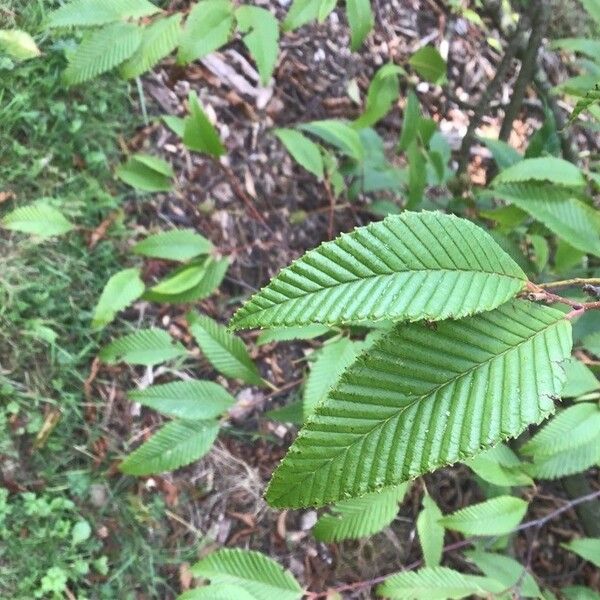
Plant Overview
Often called the Pendulous Alder or the Japanese Weeping Alder, this elegant tree is a graceful resident of the mountain slopes of Japan. Unlike many of its stiff-branched cousins, Alnus pendula is famous for its "weeping" habit, where its slender branches drape downward like a living green waterfall. It’s a favorite for those looking to add a touch of Zen-like serenity to a cool, damp landscape.
🔍 How to Identify
- 🍃 Leaf Texture: The leaves are long, oval, and distinctly double-serrated, looking almost like they’ve been meticulously trimmed with pinking shears.
- 🎋 Weeping Branches: Look for the characteristic "pendulous" growth; the younger twigs hang vertically, giving the tree a soft, flowing silhouette.
- 🌲 Miniature Cones: In autumn, it produces small, woody, cone-like fruits (strobiles) that persist through the winter, providing visual interest and food for small birds.
🏡 In Your Garden
- 💧 The "Wet Feet" Friend: This tree is a biological sponge. It thrives in boggy or poorly drained soil where other trees might rot, making it the perfect solution for that "problem" soggy corner of your yard.
- 🧪 Self-Fertilizing Pioneer: Like other alders, it has a secret partnership with soil bacteria to "fix" nitrogen. It actually improves the soil quality around it, making it a "nurse tree" that helps neighboring plants grow stronger.
- ⛰️ Cool Climates Only: Because it originates from high-altitude Japanese forests, it struggles in extreme heat and humidity. It prefers a crisp, temperate environment with plenty of mulch to keep its roots chilled.
⚠️ Safety & Toxicity
- 🟢 Non-Toxic Status: Alnus pendula is generally considered safe and non-toxic for dogs, cats, and horses.
- 🤧 Pollen Alert: While it won't hurt your pets if they brush against it, it is a heavy pollen producer in early spring. People with severe hay fever may find themselves sneezing when the long male catkins begin to dance in the wind.
✨ Fun Fact
The Alder is a "Pioneer Species." In the wild, it is often the very first tree to grow on barren land after a landslide or volcanic eruption, paving the way for entire forests to follow by creating nutrient-rich soil from scratch!

Detailed Care Instructions

Place in a bright room that is sun drenched almost all day. Or directly in a south-facing window.

Some plants require more regular watering than others, which should be done every few days. It's critical to maintain the soil moist all of the time. The water requirements of the same plant placed in pots with varying sizes will differ. Because the water in the smaller pot evaporates faster than the water in the larger pot, it will require more watering. Regardless of pot size, the surface should constantly be maintained moist.








