Plant Overview
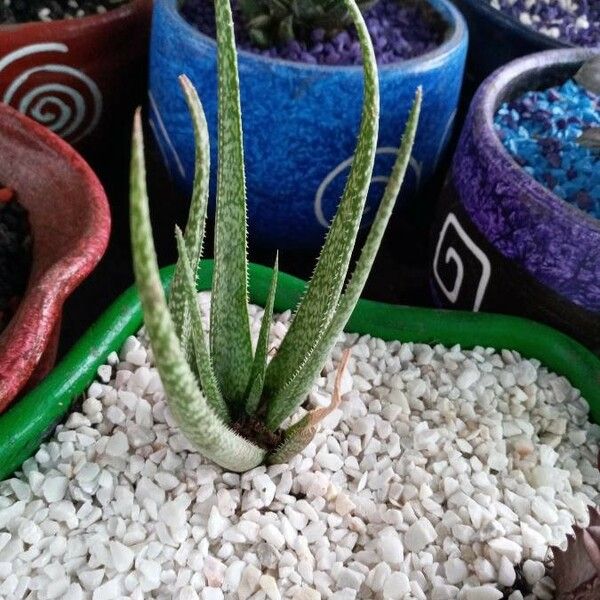
Known as the "Little Beauty," Aloe bellatula is a dainty departure from its larger, chunkier cousins. Hailing from the rugged central highlands of Madagascar, this petite succulent earns its Latin name (bellatula meaning "beautiful little one") through its elegant, grass-like appearance and delicate blooms. Unlike the common Aloe Vera, this species looks more like a decorative ornamental grass until its stunning bell-shaped flowers make their debut.
🔍 How to Identify
- 🌿 Slender Foliage: The leaves are long, very narrow, and dark green, often covered in minute white spots or "tubercle" dots that give it a textured look.
- 📏 Growth Habit: It forms small, dense rosettes that rarely exceed 6 inches in height, making it one of the most compact Aloes available for collectors.
- 🔔 The Flowers: Its most striking feature is the tall, slender flower spike that bears hanging, bell-shaped blossoms in shades of coral, peach, or soft pink.
🏡 In Your Garden
- 🌱 Highland Roots: Because it originates from high-altitude Madagascar, it prefers slightly cooler nights than desert Aloes and requires exceptionally well-draining, gritty soil to prevent root rot.
- ☀️ Light Nuance: While it loves bright light to keep its spots vibrant, its thin leaves can scorch in intense, direct afternoon sun. It thrives best in "bright-indirect" light or dappled morning sunshine.
- 💧 Thirst Signals: Unlike thicker Aloes that store massive amounts of water, Aloe bellatula has less storage capacity in its thin leaves; if the leaves start to curl inward like a straw, it’s signaling that it’s time for a deep soak.
⚠️ Safety & Toxicity
- 🐾 Pet Warning: Like most members of the Aloe family, this plant contains saponins and anthraquinones which are toxic to cats and dogs if ingested.
- 🤢 Human Precaution: While not considered deadly, eating the leaves can cause digestive upset, nausea, or skin irritation in sensitive individuals. It is strictly an ornamental plant and should not be used for medicinal or culinary purposes.
✨ Fun Fact
Aloe bellatula is currently listed as an Endangered species in the wild. Its native habitat in Madagascar is limited to a very small area that is threatened by frequent fires and habitat loss, making the specimens grown by hobbyists important for the preservation of the species' genetics!

Detailed Care Instructions
| Humidity | Dry |
| Lighting | Full Sun |
| Difficulty | Medium |
| Hardiness Zones | 9B - 11B |
To grow Aloe Bellatula plant, you can follow these steps:
- Find a healthy Aloe Bellatula plant: Look for a nursery or online store that sells Aloe Bellatula plants. Make sure to choose a healthy plant with no signs of disease or damage.
- Choose a suitable pot: Select a pot or container with good drainage holes. The pot should be slightly larger than the current root ball of the plant.
- Prepare the potting mix: Aloe Bellatula plants thrive in well-draining soil. You can use a mixture of cactus or succulent soil mixed with perlite or coarse sand to ensure good drainage.
- Plant the Aloe Bellatula: Gently remove the plant from its current container and place it in the new pot. Fill the remaining space with the potting mix, leaving a little space at the top for watering.
- Provide proper sunlight: Aloe Bellatula plants prefer bright, indirect sunlight. Place the pot in a location where it can receive several hours of sunlight per day. Avoid placing it in direct sunlight, as it can burn the leaves.
- Watering: Aloe Bellatula plants are drought-tolerant but still require regular watering. Water the plant when the top inch of soil feels dry, allowing any excess water to drain out completely. Avoid overwatering, as it can cause root rot.
- Fertilize occasionally: Aloe Bellatula plants do not require heavy fertilization. You can use a balanced houseplant fertilizer diluted to half strength once every few months during the growing season (spring and summer), following the package instructions.
- Maintain optimal temperature and humidity: Aloe Bellatula plants prefer temperatures between 60-80°F (15-27°C). They can tolerate higher temperatures but may suffer if exposed to frost. Average humidity levels are generally suitable, but you can increase humidity by misting the plant occasionally or placing a tray of water near it.
- Pruning: Trim any dead or damaged leaves as needed to maintain the plant's health and appearance. Be careful not to remove too many leaves at once, as it can stress the plant.
- Propagation: If you want to propagate your Aloe Bellatula, you can do so by separating offshoots or plantlets from the mother plant. Allow the cuttings to dry for a few days to develop calluses before potting them in well-draining soil.
By following these steps, you can successfully grow and care for your Aloe Bellatula plant. Remember to monitor the plant's health and adjust care accordingly for optimal growth.

Place in a window with dappled sun or a spot in the middle of a room. Or directly in a window facing west or east.
To water this plant, you should allow the soil to dry out completely between waterings. When watering, use room temperature water and ensure that it reaches the roots of the plant. Do not allow the plant to sit in standing water, as this can lead to root rot. It is also important to not overwater, as this can also cause damage to the plant. A good rule of thumb is to water once every two to three weeks, but adjust frequency based on the specific needs of your plant and the environment it is in.
To properly fertilize this plant, it is recommended to use a balanced, water-soluble fertilizer. Dilute the fertilizer to half strength and apply it to the soil once every two weeks during the growing season, which is typically in the spring and summer. It is important to avoid getting the fertilizer on the leaves or stem of the plant, as this can cause damage. Additionally, make sure the plant is well-watered before and after fertilizing.
The recommended soil for the Aloe Bellatula plant should have a well-draining texture, allowing for excess water to flow away easily. It should have a slightly acidic to neutral pH level and provide adequate nutrients for the succulent's growth. Adding coarse sand or perlite to the soil mix can improve drainage and airflow, which is essential for preventing root rot. The soil should not be too dense or compact and should be able to retain some moisture without becoming water-logged. An organic-rich mix can encourage healthy growth and prevent nutrient deficiencies.
To propagate this plant, you will need to find a mature plant from which to take a cutting. Using a clean, sharp knife or pair of scissors, choose a healthy stem that is at least 3 inches long. Cut the stem at an angle, making sure to avoid damaging the parent plant.
Allow the cutting to dry and form a callus for several days before planting. Once the cutting has callused, plant it in soil that is well-draining and mixed with sand or perlite to improve drainage. Water the new cutting lightly and add a rooting hormone if desired.
Place the cuttings in a warm and bright location, but out of direct sunlight. Keep the soil moist but not too wet, and avoid overwatering. Cuttings should root within a few weeks, but it may take several months for the new plant to establish itself.
Once the new plant has developed a strong root system and several leaves, it can be transplanted into a larger pot or planted in a suitable outdoor location.








