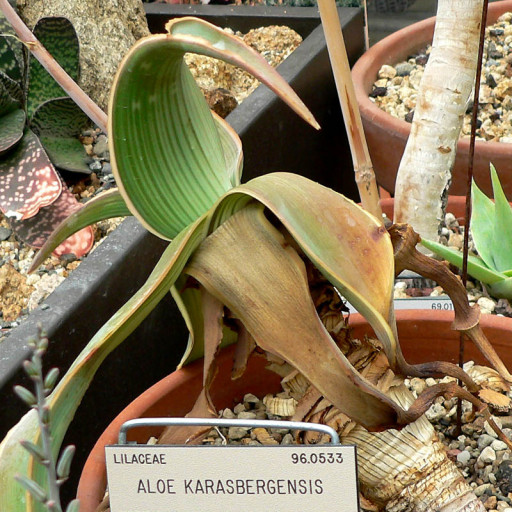
Plant Overview
Often called the Coral Aloe for its luminous, pink-edged foliage, this South African beauty is a standout in any succulent collection. Unlike its prickly cousins that guard themselves with sharp thorns, Aloe striata is famous for being "toothless," offering a smooth, architectural elegance. It’s the perfect choice for gardeners who love the desert aesthetic but want to avoid the stabs and scrapes of traditional cacti.
🔍 How to Identify
- 🌿 The Leaves: Broad, flat, and fleshy leaves that transition from a pale blue-green to a silvery-grey. They grow in a symmetrical rosette pattern.
- 💗 The Margins: A striking, translucent pinkish-red border runs along the edge of every leaf. Most importantly, these edges are completely smooth and lack the sharp "teeth" found on most other Aloe species.
- 📏 The Striations: If you look closely, you’ll see many thin, dark longitudinal lines (stripes) running the length of the leaves, which gives the plant its name striata.
🏡 In Your Garden
- ☀️ Sun-Kissed Colors: While it survives in partial shade, the "coral" color of the leaf edges only becomes vibrant when the plant receives plenty of bright sunlight. In deep shade, the pink margins may fade to white.
- 💧 Winter Bloomer: Unlike many garden plants that go dormant in the cold, the Coral Aloe sends up tall, branched stalks of coral-pink, bell-shaped flowers in late winter. This makes it a vital nectar source for hummingbirds and bees during the "off-season."
- 🪴 Soil Nuance: It has a significant taproot and prefers deep, gritty soil. If planting in a container, choose a pot that is deeper than it is wide to allow the root system to stabilize the heavy rosette.
⚠️ Safety & Toxicity
- 🐾 Pet Warning: Like most Aloes, the Coral Aloe contains saponins and anthraquinones. It is considered toxic to cats, dogs, and horses if ingested.
- 🤢 Symptoms: Consumption can lead to vomiting, lethargy, and diarrhea. While it isn't "toothless" in terms of its chemistry, it is safe to touch since it lacks physical spines.
✨ Fun Fact
The Coral Aloe is a master of camouflage in its native South African Karoo habitat. Its pale, ghostly color helps it blend into the rocky, limestone-rich soils, reflecting intense heat and preventing the plant from "sunburning" in the wild.

Detailed Care Instructions
To grow Aloe Striata, also known as Coral Aloe, you can follow these steps:
- Choose the right location: Aloe Striata thrives in bright, indirect sunlight, so find a spot near a south- or west-facing window. If growing outdoors, select a spot with partial shade to protect it from direct sunlight.
- Prepare the soil: Use a well-draining soil mix specifically formulated for succulents or cacti. You can also create your own by mixing regular potting soil with sand or perlite to improve drainage.
- Planting the Aloe Striata: Take a small pot with drainage holes and fill it with the prepared soil mix. Gently remove the Aloe Striata plant from its nursery pot and place it into the new pot, ensuring the roots are covered with soil.
- Watering: Aloe Striata is a drought-tolerant plant that prefers infrequent watering. Allow the soil to dry out fully between waterings. Be careful not to overwater, as excessive moisture can lead to root rot.
- Fertilizing: Aloe Striata does not require frequent fertilization. You can feed it with a balanced, water-soluble fertilizer diluted to half strength during the growing season (spring and summer). Apply the fertilizer sparingly, following the instructions on the package.
- Pruning: Maintain the health and appearance of your Aloe Striata by occasionally removing dead or wilted leaves. Use clean pruning shears or scissors to make a clean cut at the base of the leaf.
- Propagation: Aloe Striata can be propagated through offshoots, also known as pups, that grow from the main plant. Wait until the pups are about 4-6 inches tall before separating them from the parent plant. Gently remove the pup and plant it in a separate pot using the same soil mix as mentioned earlier.
- Winter care: Aloe Striata is not frost-tolerant. If you live in an area with cold winters, consider bringing it indoors or providing protection from freezing temperatures.
Remember, Aloe Striata is a slow-growing plant, so be patient and provide it with proper care and conditions for optimal growth.

Place in a bright room that is sun drenched almost all day. Or directly in a south-facing window.

To water this type of plant, it is important to keep in mind its water needs. A good rule of thumb is to water when the soil is completely dry. This can typically be done once a week, but may vary depending on humidity and temperature levels. It is important to use a well-draining soil to prevent overwatering and root rot. When watering, make sure to soak the soil evenly and avoid getting water on the leaves as this can cause rot. Additionally, reduce watering in the winter months when the plant is dormant and not actively growing.
To fertilize this plant, you should use a balanced fertilizer with equal parts nitrogen, phosphorus, and potassium during the spring and summer months. In autumn and winter, reduce the frequency of fertilization to once every 4-6 weeks. Before applying the fertilizer, make sure the soil is moist and then apply the fertilizer directly to the soil around the base of the plant. Be careful not to get any fertilizer on the leaves or stem of the plant as this could cause damage.
The best type of soil to use for the Aloe Striata plant is a well-draining and gritty soil mix that is specifically formulated for succulents. This type of soil should contain a mixture of materials like perlite, sand, and coarse grit to ensure that water drains through quickly and that the soil does not become waterlogged. Additionally, the soil should be mildly acidic to neutral in pH, with a range between 6.0 and 7.5. The Aloe Striata plant prefers soil that is low in organic matter, as too much organic matter can lead to root rot. Finally, it is recommended to add a layer of gravel or small rocks at the bottom of the pot to improve drainage.
To propagate this plant, you will need to carefully remove offsets, or small plantlets, that grow at the base of the parent plant. Before separating them, make sure they are at least 1/4 the size of the parent plant and have developed their own root systems. Once you have identified a suitable offset, gently pull it away from the parent plant while ensuring that you don't damage the small roots. Then, plant the offset in well-draining soil and water sparingly until it establishes a strong root system. It's best to propagate Aloe Striata in the spring or summer, when the plant is actively growing.








