Plant Overview
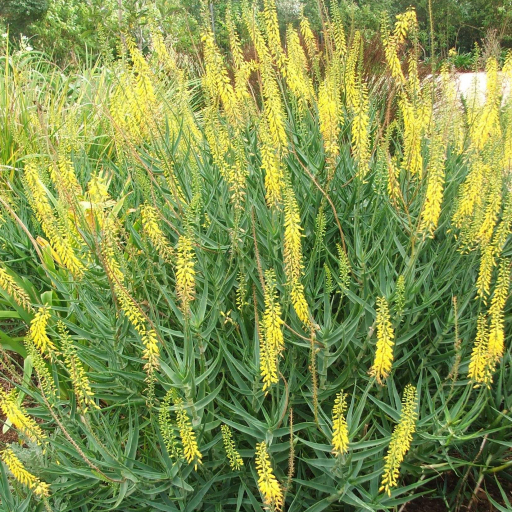
Often called the Slender Climbing Aloe, this plant is the rebellious cousin of the traditional, grounded Aloe family. Instead of sitting in a tidy rosette on the desert floor, it scrambles upward, weaving its way through fences and nearby shrubs in the dry thickets of South Africa. It is a favorite for gardeners who want that classic succulent look but with a wild, rambling personality.
🔍 How to Identify
- 🌿 The Stems: Unlike the thick, chunky trunks of most aloes, these stems are surprisingly thin—usually about the width of a pencil—and can grow several feet long, becoming woody at the base as they age.
- 🍃 Leaf Pattern: The leaves are narrow, glaucous (blue-green), and concentrated at the tips of the branches. They feature tiny, harmless white teeth along the margins that feel more like a comb than a saw.
- 🌼 Bloom Style: It produces upright, cone-shaped flower spikes in shades of bright yellow or occasionally orange. These blooms act as beacons for nectar-seeking birds.
🏡 In Your Garden
- 🧗 The Scrambler: Because it has a "climbing" habit, it won’t stay in a neat pile. It loves to lean against a trellis or a garden wall; without support, it will gracefully sprawl across the soil as a dense, tangled groundcover.
- ✂️ Pruning Nuance: This plant can become "leggy" or unruly over time. It actually thrives on being cut back. Pruning the tips encourages the plant to branch out from the base, preventing it from looking sparse and messy.
- 💧 Drainage is Key: While it is incredibly hardy, its thin stems are prone to rot if kept in soggy, heavy soil. It prefers a "neglectful" watering schedule and very gritty, well-draining earth.
⚠️ Safety & Toxicity
- 🐾 Mildly Toxic: Like many members of the broader Aloe family, the leaves contain saponins and anthraquinones. If ingested by curious cats or dogs, it can cause vomiting or lethargy.
- 🧤 Skin Care: The sap is generally not as irritating as other succulents, but it is always wise to wash your hands after pruning, as the bitter compounds can be unpleasant if they touch your eyes or mouth.
✨ Fun Fact
The species name tenuior is Latin for "thinner." This refers to its unusually slender stems, an evolutionary trick that allowed this plant to move out of the scorching open sun and "climb" toward the light within the shade of denser African bushveld.

Detailed Care Instructions

Place in a bright room that is sun drenched almost all day. Or directly in a south-facing window.

Some plants require more regular watering than others, which should be done every few days. It's critical to maintain the soil moist all of the time. The water requirements of the same plant placed in pots with varying sizes will differ. Because the water in the smaller pot evaporates faster than the water in the larger pot, it will require more watering. Regardless of pot size, the surface should constantly be maintained moist.








