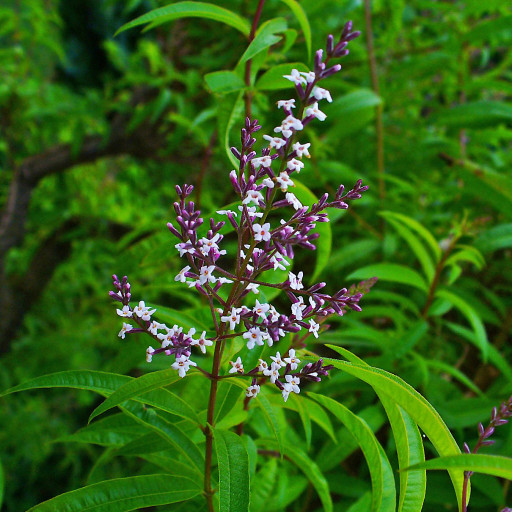
Plant Overview
Known as the "Queen of Lemon Herbs," Lemon Verbena is the undisputed royalty of citrus-scented plants. Originally hailing from South America, it was brought to Europe by Spanish explorers and named "Hierba Luisa" in honor of Queen Maria Louisa of Spain. It is widely beloved for its intense, pure lemon fragrance that remains potent even after the leaves are dried.
🔍 How to Identify
- 🍃 The Foliage: The leaves are long, narrow, and lance-shaped, typically growing in "whorls" of three along the stem.
- 👅 The Texture: If you run your finger over a leaf, it feels slightly rough and sandpapery, almost like a tiny cat's tongue.
- 🌸 The Blooms: During late summer, it produces airy, delicate spikes of tiny white or pale lilac flowers that provide a whimsical, misty look to the plant.
🏡 In Your Garden
- ☀️ Sun & Drainage: This plant is a true sun-worshipper. It requires at least six hours of direct light and must have "well-draining" soil; it hates having "wet feet," which can quickly lead to root rot and leaf drop.
- ✂️ Pinching for Growth: Lemon Verbena has a habit of becoming "leggy" or woody. To keep it bushy and full, you should regularly pinch off the tips of the stems—the bonus is that you get to use those clippings for fresh tea!
- 🍂 Deciduous Nature: Don't be alarmed if your plant suddenly drops all its leaves in the winter! It is a deciduous shrub and often goes into a deep dormancy when temperatures cool down, appearing "dead" until the warmth of spring returns.
⚠️ Safety & Toxicity
- ✅ Human Safe: It is widely used and safe for culinary purposes, including teas, pestos, and desserts.
- 🐾 Pet Safety: Lemon Verbena is generally considered non-toxic to dogs and cats. However, because it contains high concentrations of essential oils, ingestion of large amounts may cause minor stomach upset in sensitive pets.
✨ Fun Fact
In the classic novel Gone with the Wind, Lemon Verbena was famously mentioned as the favorite scent of Scarlett O'Hara’s mother, Ellen Robillard, symbolizing southern elegance and refinement!

Detailed Care Instructions
To grow Aloysia citrodora, also known as lemon verbena, follow these steps:
- Obtain a healthy cutting or a young plant from a reputable nursery or garden center. If you have existing plants, you can propagate new plants from stem cuttings. Choose a stem about 4-6 inches long and remove the bottom leaves.
- Fill a small pot or seed tray with a well-draining potting soil. It should be loose, fertile, and rich in organic matter. You can mix equal parts garden soil, compost, and sand to create an ideal growing medium.
- Dip the cut end of the stem about 1-2 inches into rooting hormone powder. This will encourage root development.
- Make a small hole in the soil with your finger or a pencil and place the cutting in it. Firmly press the soil around the stem to hold it in place.
- Water the cutting thoroughly, ensuring the soil is evenly moist but not soggy. Use a spray bottle to prevent displacing the cutting.
- Place the pot in a warm location with indirect sunlight. A temperature around 70-80°F (21-27°C) is ideal for rooting.
- Mist the cutting regularly to maintain humidity levels. You can cover the pot with a plastic bag to create a mini greenhouse effect and retain moisture.
- After a few weeks, the cutting should start to develop roots. You can gently tug on the stem to check if there is resistance, indicating root growth.
- Once the roots have developed, you can transplant the cutting into a larger pot or directly into the garden. Choose a well-drained location with full sun or partial shade.
- Plant the lemon verbena in the ground, ensuring there is sufficient space between each plant for proper air circulation.
- Water the plant deeply but less frequently, allowing the top few inches of soil to dry out before watering again. Overwatering can cause root rot.
- Fertilize the plant regularly with a balanced, slow-release fertilizer or organic matter such as compost or well-rotted manure.
- Prune the plant regularly to promote bushier growth and prevent it from getting leggy. Trim back about one-third of the growth every spring.
- Harvest the leaves as needed, using sharp scissors or pruners. Use the leaves fresh or dry them for later use in teas, flavorings, or potpourri. Regular harvests will encourage the plant to produce fresh growth.
Remember that lemon verbena prefers warm climates, and it might not survive in cold regions unless it is brought indoors during winter or grown in containers that can be moved indoors when temperatures drop.

Place in a bright room that is sun drenched almost all day. Or directly in a south-facing window.

To water Aloysia Citrodora, you should first assess the soil moisture by sticking your finger into the soil up to your second knuckle. If the soil feels dry, it is time to water. When watering, pour water slowly onto the soil, avoiding getting the water on the leaves. Be sure not to overwater the plant, as this can cause root rot. Allow the top inch of soil to dry out before watering again. Watering frequency will depend on the temperature, humidity, and location of the plant. In general, this plant prefers consistent moisture but will tolerate some dryness between waterings.
For optimal growth and health of this plant, it is recommended to fertilize it every two weeks during the growing season with a balanced fertilizer containing equal amounts of nitrogen, phosphorous, and potassium. Be sure to dilute the fertilizer to half-strength before applying it to the soil, and avoid getting any fertilizer on the leaves. In addition, it is important to water the plant thoroughly after fertilization to prevent any potential burning of the roots.
For optimal growth and health, Aloysia Citrodora plant should be grown in well-draining soil that is rich in nutrients. The ideal soil pH for this plant ranges from 5.5 to 7.5. The soil should be moist but not waterlogged, as waterlogging can lead to root rot and other issues. Organic matter such as compost or leaf mold can be added to the soil to improve its structure and fertility. Additionally, a slow-release fertilizer can be applied every two months during the growing season to provide the plant with necessary nutrients. It is important to avoid using soil that is contaminated with pesticides or heavy metals, as this can negatively impact the plant's health.
Propagation of this plant can be achieved through several methods, one of which is by using stem cuttings. First, choose a healthy stem from the parent plant that is about 4-6 inches long and has a few leaves attached. Then, remove the leaves from the lower part of the stem, leaving just a few at the top. Dip the cut end of the stem in rooting hormone powder, and plant it in a pot filled with moist soil. Keep the soil moist and place the pot in a warm and bright location, but away from direct sunlight. In about 4-6 weeks, the stem should have developed roots and new growth. At this point, the plant can be transplanted into a larger pot or directly into the ground.
Common pests of the aloysia citrodora include Spider mites, aphids, whiteflies. Make a habit of checking your aloysia citrodora frequently for pests so that any infestations can be caught and managed early.








