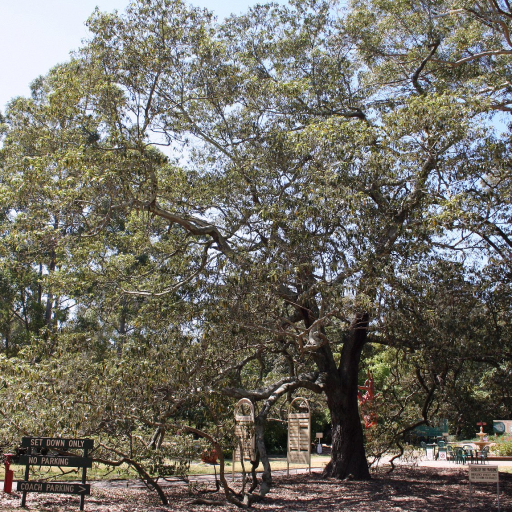
Plant Overview
Known as the Red Ash or the Soap Tree, Alphitonia excelsa is a resilient Australian icon found across various landscapes, from rainforests to dry open woodlands. It is a favorite for those looking to add a touch of silvery-green elegance to their landscape while supporting local wildlife. Historically, it has been a multi-purpose tool for Indigenous Australians, serving as everything from a natural medicine to a clever cleaning agent.
🔍 How to Identify
- 🍃 Leaf Contrast: The most striking feature is the foliage; the leaves are dark, glossy green on top with a stunning, almost luminous silvery-white hairy underside.
- 🌳 The Bark: In its youth, the bark is smooth and grey, but as it matures, it develops a deeply fissured, "leatherjacket" texture that gives it a rugged character.
- 🌼 Tiny Blooms: It produces clusters of small, star-shaped cream or greenish-yellow flowers that emit a faint, sweet perfume, usually appearing in late autumn or winter.
🏡 In Your Garden
- 🛡️ Pioneer Spirit: This tree is a "pioneer" species, meaning it is one of the first to grow back after land clearing or fire. It is incredibly hardy and can thrive in a variety of soil types, provided they are well-draining.
- 🐦 Wildlife Habitat: If you are a bird watcher, this tree is a must-have. Its dense, umbrella-shaped canopy provides excellent nesting sites, and its small black fruits are a magnet for fruit-eating birds.
- ☀️ Growth Habit: While it is fast-growing, be mindful of its final size. In a garden setting, it can reach significant heights, so it’s best used as a shade tree in larger yards rather than in cramped spaces near foundations.
⚠️ Safety & Toxicity
- 🧼 Saponin Content: The leaves contain saponins, which are natural chemical compounds that act like soap. While not classified as a "toxic" garden plant, they should not be ingested.
- 🐾 Pet & Child Safety: It is generally considered safe for domestic gardens. However, keep an eye on curious pets or toddlers; eating large amounts of the leaves or fruit could lead to mild stomach upset or nausea due to the soapy compounds.
✨ Fun Fact
If you find yourself in the bush without soap, you can simply crush the leaves of Alphitonia excelsa with a little water. They will create a natural, foamy lather that was traditionally used to wash skin and even as a clever way to stun fish in still pools!

Detailed Care Instructions
To grow Alphitonia excelsa, also known as the red ash or soap tree, you can follow these steps:
- Climate and location: Determine if your climate is suitable for growing Alphitonia excelsa. It is native to Australia, particularly the east coast. It thrives in subtropical and warm temperate regions. Choose a location that receives full sun or partial shade.
- Soil preparation: Alphitonia excelsa prefers well-draining soil. Prepare the planting area by removing any weeds or grass. Incorporate organic matter such as compost or aged manure to improve the soil's fertility and drainage.
- Propagation: You can propagate Alphitonia excelsa from seeds or cuttings. Seeds can be collected from ripe fruits and sown directly into the soil. Soak the seeds in water for 48 hours before planting to increase germination rates. Alternatively, take semi-hardwood cuttings from healthy, mature trees during the growing season. Dip the cut end in a rooting hormone and plant it in well-draining potting mix or directly in the ground.
- Planting: Dig a hole slightly larger than the root ball or seedling. Gently place the plant in the hole, ensuring the top of the root ball is level with or slightly above the soil surface. Backfill the hole with soil, firming it around the roots. Water thoroughly after planting.
- Watering: Alphitonia excelsa requires regular watering, especially during dry periods. Keep the soil consistently moist but not waterlogged. Mulching around the base of the plant can help retain moisture and suppress weed growth.
- Fertilizer: Apply a slow-release, balanced fertilizer during the growing season to provide the necessary nutrients. Follow the manufacturer's instructions for application rates.
- Pruning: Prune Alphitonia excelsa as needed to maintain its desired shape and size. Remove any dead, damaged, or diseased branches. Regular pruning can help promote denser foliage growth.
- Pests and diseases: Alphitonia excelsa is generally resistant to pests and diseases. However, keep an eye out for common garden pests such as aphids, scale insects, or caterpillars. If necessary, use organic or chemical controls as recommended.
- Patience and care: Alphitonia excelsa is a slow-growing tree, so patience is key. Make sure to provide regular care, including watering, fertilizing, and pruning, to ensure healthy growth.
Remember to research specific growing conditions and requirements that may be unique to your region or particular variety of Alphitonia excelsa.

Place in a bright room that is sun drenched almost all day. Or directly in a south-facing window.

To water this plant, it is recommended to first check the soil moisture level by feeling the top layer of soil with your finger. If it feels dry to the touch, it is time to water the plant. Use lukewarm or room temperature water to avoid shocking the roots of the plant. Slowly pour water onto the soil around the base of the plant until the water begins to drain out of the bottom of the pot. Allow the excess water to drain away and then empty any standing water that collects in the saucer beneath the pot. Avoid overwatering the plant as this can cause root rot and other issues.
The Alphitonia Excelsa plant should be fertilized with a balanced, slow-release fertilizer in the spring and again in the summer. Avoid over-fertilization as it can cause damage to the roots. Water the plant thoroughly before applying the fertilizer, and then apply it evenly over the soil surface. Be sure to follow the instructions on the fertilizer package for the appropriate amount to use. Water the plant again after fertilization to help the nutrients soak in.
The ideal soil to use with this plant should be a well-draining, acidic soil that is rich in organic matter. It should have a pH range between 4.5 to 6.5. Avoid using heavy clay soils or sandy soils as they will not provide the right growing conditions for the plant. It is also essential to ensure the soil has good water retention ability while avoiding waterlogging. Therefore, adding peat moss or composted pine bark to the soil before planting can help improve soil structure and water retention. Additionally, incorporating slow-release fertilizers into the soil will ensure the plant receives the essential nutrients required for its growth.
To propagate this plant, obtain a healthy specimen with several branches. Cut a branch from the mother plant, making sure it is at least 10cm in length and has a few leaves attached at the top. Remove the lower leaves and make a diagonal cut at the base of the branch. Dip the end of the cutting in rooting hormone powder.
Prepare a potting mix with sand and peat moss in a 1:1 ratio. Make a hole in the mix with a pencil or a stick. Place the cutting in the hole, pressing down gently to ensure it is in contact with the mix.
Water the cutting carefully, making sure the soil is moistened but not saturated. Place the pot in a warm, bright location, out of direct sun. Cover the pot with a clear plastic bag or a glass jar to increase humidity and keep the soil moist.
Check the cutting regularly to make sure the soil is not dry and the plastic bag is not too tight. After a few weeks, the cutting should start to grow and develop roots. At this point, remove the plastic bag and begin to gradually acclimate the new plant to lower humidity and brighter light.
Once the plant has established a strong root system and several new leaves, it can be transplanted to a larger pot or into a garden bed.








