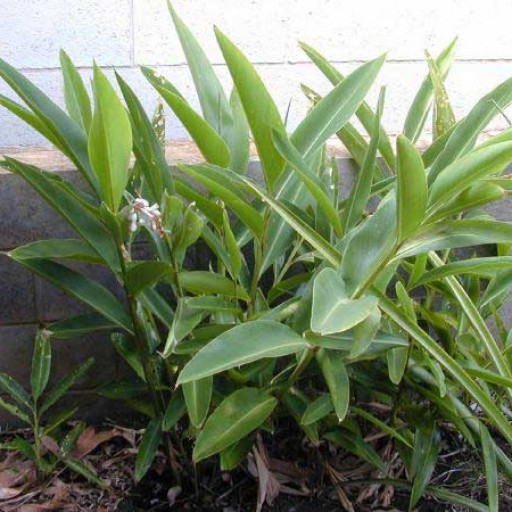
Plant Overview
Often called the "Pink Porcelain Lily" or "Shell Ginger," Alpinia zerumbet is a tropical masterpiece that brings an air of exotic elegance to any space. Originating from East Asia, it is famously associated with the island of Okinawa, where it is revered as a "herb of longevity." Whether grown for its aromatic foliage or its stunning, shell-like blossoms, this plant is a favorite for those looking to create a lush, jungle-like sanctuary.
🔍 How to Identify
- 🍃 Lush Foliage: It features long, lance-shaped leaves that can reach up to two feet in length. When crushed, the leaves release a distinct, spicy fragrance reminiscent of culinary ginger.
- 🐚 Pearlescent Blooms: The plant produces drooping clusters of waxy, white flower buds tipped with a delicate blush-pink. These closed buds look remarkably like hand-painted seashells or porcelain beads.
- 🔥 Ornate Interiors: Once the "shells" open, they reveal a striking, fiery yellow throat streaked with deep red, providing a bold, hidden contrast to the soft exterior.
🏡 In Your Garden
- 💧 Thirst for Humidity: As a true tropical native, it thrives in moist environments. If the air is too dry—especially in air-conditioned homes—the leaf tips will quickly turn brown and crispy as a "protest" against the low humidity.
- 🪴 Rhizome Expansion: The plant grows from thick underground stems called rhizomes. It prefers plenty of horizontal "elbow room" in the garden or a very wide pot, as a cramped root system can prevent the plant from producing its famous flowers.
⚠️ Safety & Toxicity
- ✅ Generally Safe: Shell Ginger is non-toxic to humans. In fact, its leaves are widely used in traditional Asian medicine and for flavoring teas.
- 🐾 Pet Safety: It is not considered toxic to cats or dogs. However, as with any ornamental plant, keep an eye on curious pets, as munching on the fibrous leaves can occasionally cause mild stomach upset.
✨ Fun Fact
In Okinawa, Japan—a "Blue Zone" famous for the long lives of its residents—the leaves of the Shell Ginger are used to wrap traditional rice cakes called Muchi. Modern research suggests that the high levels of antioxidants in the plant may actually contribute to the health and longevity of the local population!

Detailed Care Instructions
| Lighting | Full Sun |
| Hardiness Zones | Min 9A |
To grow Alpinia Zerumbet (also known as shell ginger or variegated ginger), you will need to follow these steps:
- Choose a suitable location: Alpinia Zerumbet prefers partial shade to full shade. It can also tolerate full sun if given enough water. It requires well-drained soil with organic matter.
- Planting: Dig a hole that is slightly larger than the root ball of the plant. Place the plant in the hole, making sure it sits at the same depth as it was in the container. Fill the hole with soil and tamp it down gently to remove air pockets.
- Watering: Alpinia Zerumbet requires regular watering, especially during dry periods. Keep the soil consistently moist but not waterlogged. Avoid overwatering as it can lead to root rot.
- Mulching: Apply a layer of organic mulch around the base of the plant to retain moisture and suppress weed growth. This will also help keep the soil cool.
- Fertilizing: Use a balanced, slow-release fertilizer in spring and summer to promote healthy growth. Follow the instructions on the packaging for dosage and application.
- Pruning: Prune Alpinia Zerumbet to maintain its shape and remove any dead or damaged leaves. Pruning can be done throughout the year as needed.
- Cold protection: If you live in an area with freezing temperatures, consider protecting the plant during winter by covering it with a frost blanket or bringing it indoors.
- Propagation: Alpinia Zerumbet can be propagated through division. Dig up the plant and carefully separate the rhizomes, ensuring each division has enough roots. Replant the divisions in separate pots or other desired locations.
Remember to research specific care requirements and adapt them to suit your specific climate and growing conditions.

Place in a window with dappled sun or a spot in the middle of a room. Or directly in a window facing west or east.

Alpinia Zerumbet plant belongs to a family of aromatic plants that require regular watering to thrive. When watering, it is important to avoid over-watering as this can lead to root rot and other plant diseases. Therefore, it is recommended to water the plant thoroughly but allow the soil to dry out partially before the next watering.
To properly water the Alpinia Zerumbet plant, you should first check the soil's moisture level by sticking your finger an inch or two into the soil. If the soil feels dry, it's time to water the plant. Fill a watering can or bucket with lukewarm water and slowly pour it over the soil, allowing the water to reach deep down to the roots.
Avoid splashing water on the plant's leaves as it could cause fungal diseases or scorching. Allow any excess water to drain out of the pot's drainage holes to prevent waterlogging. In hot and dry weather, you may need to water the plant more frequently than in cooler and humid conditions.
During the winter months, reduce watering but don't let the soil completely dry out. You can also mist the plant's leaves occasionally to help humidify the air and prevent leaf drop.
Regular watering, along with proper sunlight, temperature, and fertilization, will ensure your Alpinia Zerumbet plant thrives and produces beautiful foliage and flowers.
To properly fertilize this plant, use a balanced, slow-release fertilizer with a ratio of 10-10-10 or 16-16-16. Apply the fertilizer in the spring before new growth appears, and again during the growing season every 4-6 weeks. Be sure to follow the instructions on the fertilizer label, and water the plant well after fertilizing to prevent fertilizer burn. Avoid fertilizing during the dormant season or in winter.
The ideal soil for growing this plant should be well-draining and rich in organic matter. It should contain a good mix of sand, loam, and peat moss to maintain adequate moisture levels without causing waterlogging. Additionally, the soil should be slightly acidic with a pH level between 5.5 and 7.5. To promote optimal growth and flowering, you can add slow-release fertilizers or incorporate compost into the soil. Avoid using heavy clay soils as they can cause root rot and restrict proper root growth.
Alpinia Zerumbet is a tropical plant that can be propagated through rhizome division. This involves carefully digging up the parent plant and separating the rhizomes (underground stems that produce new shoots) from the main plant using a clean, sharp knife. Each rhizome should have several healthy shoots and several roots attached.
The separated rhizomes can then be potted up in well-draining, nutrient-rich soil and watered well. Keep the newly potted rhizomes in a warm, humid spot with bright, indirect light. Over time, they will produce new growth and can be transplanted outside or into larger containers.
Alternatively, Alpinia Zerumbet can also be propagated from stem cuttings. Cut a healthy stem, around 6 inches long, from the parent plant and remove any leaves from the lower half of the stem. Dip the cut end in rooting hormone and plant it in moist potting soil, covering the bare stem. Cover the cutting with a plastic bag or dome to create a humid environment, and keep it in bright, indirect light. Over a few weeks, roots should develop and new growth will appear.
It's important to note that Alpinia Zerumbet is a tropical plant that requires warm temperatures and high humidity to thrive, so propagation is best attempted in warm, humid climates or indoors with proper care.
Common pests of the shell-ginger include Scale insect, mealybugs, spider mites, aphids, thrips. Make a habit of checking your shell-ginger frequently for pests so that any infestations can be caught and managed early.








