Plant Overview
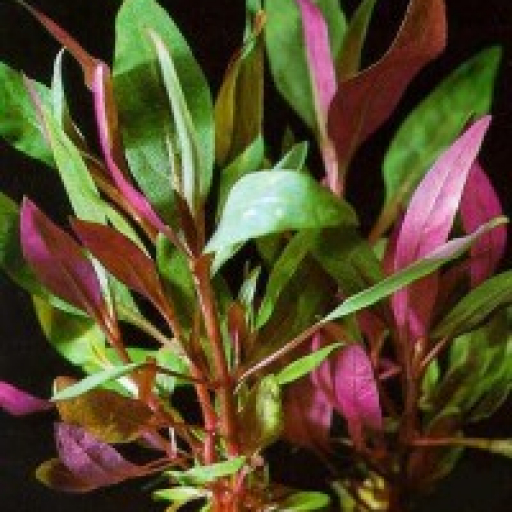
Known affectionately as the Scarlet Temple or Magenta Water Hedge, Alternanthera reineckii is the vibrant crown jewel of the aquascaping world. Hailing from the riverbanks of South America, this stunning stem plant is famous for its ability to transform a standard green aquarium into a fiery underwater landscape. Unlike many other "red" plants that are notoriously difficult to keep, this species is relatively forgiving, making it a favorite for hobbyists looking to add a splash of sunset hues to their tanks.
🔍 How to Identify
- 🌿 Leaf Shape: The leaves are lanceolate (spear-shaped) and grow in opposite pairs along a sturdy, central stem.
- 🎨 Vibrant Bicolor: The most striking feature is the color contrast; while the top of the leaf can range from olive green to bronze, the underside is a brilliant, glowing magenta or ruby red.
- 📏 Growth Habit: It is a vertical grower that can reach the water's surface, often becoming more "bushy" and intense in color as it nears the light source.
🏡 In Your Garden (Aquascape Context)
- 🧪 The Iron Factor: While it can survive in low-tech setups, its signature "blood red" color is directly linked to iron availability and high-intensity lighting. Without enough iron, the red tones will fade into a muddy brown.
- ✂️ Pruning for Density: This plant has a tendency to grow straight up and shed its lower leaves if they are shaded. Frequent "topping" (cutting the top off and replanting it) encourages the plant to branch out, creating a thick, hedge-like appearance.
- 🫧 CO2 Synergy: It doesn't require CO2 injection to live, but adding it will drastically increase the leaf size and prevent the stems from becoming brittle or "leggy."
⚠️ Safety & Toxicity
- ✅ Status: Non-toxic and safe.
- 🐟 Details: This plant is completely safe for fish, shrimp, and snails. In fact, its dense foliage provides an excellent hiding spot for fry (baby fish) and a surface for shrimp to graze on biofilm. It is also non-toxic to cats and dogs should they decide to take a nibble of a stray clipping.
✨ Fun Fact
In the wild, Alternanthera reineckii is an "amphibious" survivor. During the dry season in South America, it can grow above the water line (emergent), where it produces small, inconspicuous white flowers in the leaf axils. However, once submerged again, it sheds its tough "land leaves" and regrows the delicate, colorful foliage we love in aquariums.

Detailed Care Instructions
To grow Alternanthera Reineckii, also known as Red Scarlet Temple, you can follow these steps:
- Lighting: Provide moderate to high lighting for the plant. Use full spectrum or LED lights with a color temperature of around 6500K. If natural sunlight is available, place the plant near a window with indirect sunlight.
- Substrate: Use a nutrient-rich substrate like aquatic soil or nutrient-rich gravel. This will provide necessary nutrients for the plant's growth.
- CO2: Carbon dioxide supplementation is beneficial for the growth of Alternanthera Reineckii. Adding a CO2 system or using liquid carbon supplements can help ensure vibrant and healthy growth.
- Nutrition: Provide regular fertilization to the plant. A balanced aquarium plant fertilizer should be used, including macronutrients like nitrogen, phosphorus, and potassium, as well as micronutrients.
- Water conditions: Maintain stable water conditions with a temperature range of 72-82°F (22-28°C) and a pH range of 6-7.5. Ensure good water circulation to prevent the accumulation of stagnant water around the plant.
- Pruning: Regular trimming is necessary to maintain the desired shape and prevent the plant from becoming too dense. Trim the stems and replant the trimmed portion if you want to propagate the plant or create new plants.
- Placement: Alternanthera Reineckii should be placed in the midground or background of your aquarium to allow it to grow without being overshadowed by other plants. It can be planted individually or in groups for a more dramatic effect.
- Algae control: Keeping algae growth under control is important for the health of Alternanthera Reineckii. Good water quality, proper lighting duration, and regular maintenance like cleaning the tank and removing dead leaves are essential for preventing algae infestations.
By following these steps, you should be able to successfully grow Alternanthera Reineckii in your aquarium, adding vibrant red color and beauty to your aquatic landscape.
When watering this plant, it is important to avoid getting water directly onto the leaves as this can lead to rotting and damage. Instead, water at the base of the plant, allowing the water to soak into the substrate and feed the roots.
Make sure the substrate is moist but not waterlogged, and only water when the top layer of substrate feels dry to the touch. This will prevent overwatering and ensure that the plant has access to the correct amount of moisture.
It is also important to consider the lighting and temperature requirements of the plant when watering. This will help to prevent stress and ensure that the plant remains healthy and vibrant. Overall, careful attention to watering and other care requirements will help to ensure the continued growth and success of this beautiful plant.
To properly fertilize the Alternanthera Reineckii plant, follow these instructions:
- Choose a complete liquid fertilizer formulated for aquarium plants.
- Start by dosing the fertilizer according to the instructions on the label. The amount will depend on the size of your aquarium or the specific volume recommended.
- Divide the prescribed dose into weekly intervals. For example, if the label instructs 10 ml per week, divide it into two doses of 5 ml each.
- Add the first half of the dose at the beginning of the week, making sure to distribute it evenly throughout the aquarium water.
- Wait for a few days to allow the plants to absorb the nutrients.
- Midway through the week, add the second half of the fertilizer dose.
- It is crucial to monitor the plant's response to fertilization. Observe its growth, color, and overall health.
- Adjust the dosage levels if necessary. If the plants exhibit slow growth or appear pale, you may need to increase the fertilizer dose slightly.
- Regularly check the water parameters, especially nitrate and phosphate levels, to ensure they remain within the desired range. High levels of these nutrients might indicate over-fertilization.
- Remember to perform regular water changes to maintain the quality of the aquarium water and remove any excess or accumulated nutrients.
Note: It is essential to use the fertilizer specifically designed for aquatic plants, as terrestrial fertilizers may contain harmful components that can harm aquatic life. Always follow the instructions provided by the fertilizer manufacturer and adjust the dosage according to the plant's needs and aquarium conditions.
The best soil to use with the aforementioned plant is a nutrient-rich substrate that provides the necessary minerals and nutrients for healthy growth. The soil should be well-draining but also retain some moisture, as the plant prefers slightly moist conditions. It is recommended to avoid soil that is high in sand or clay, as these types of soils do not provide adequate nutrients and drainage for the plant. Additionally, it is important to ensure that the soil is not contaminated with any chemicals or pollutants that could harm the plant. It is also advisable to fertilize the soil regularly with a high-quality fertilizer designed for aquatic plants to provide the necessary nutrients for optimal growth and development.
To propagate Alternanthera Reineckii, follow these steps:
- Select a healthy parent plant: Choose a mature and robust Alternanthera Reineckii specimen to serve as the parent plant for propagation. Ensure that it is disease-free and has vibrant, colorful leaves.
- Prepare a suitable environment: Create an ideal environment for propagating the plant. This typically involves maintaining a temperature of around 72-82°F (22-28°C) and providing bright, indirect light.
- Choose the propagation method: Alternanthera Reineckii can be propagated through stem cuttings, lateral shoots, or by separating the plant at the roots. Select the method that suits you best.
- Stem cutting propagation: If using stem cuttings, carefully cut a healthy stem section of around 4-6 inches (10-15 cm) long. Ensure that each cutting has at least three to five pairs of leaves. Remove any leaves present on the lower half of the stem.
- Lateral shoot propagation: Alternatively, you can allow the parent plant to produce lateral shoots or side shoots. Once these shoots are around 2-3 inches (5-7 cm) long and have developed a few leaves, carefully cut them off using sterilized scissors or a knife.
- Root division propagation: If propagating by root division, gently remove the parent plant from its pot. Separate the plant into several sections, ensuring that each section has some roots and a good portion of the main stem.
- Prepare rooting medium: Prepare a suitable rooting medium, such as a mix of substrate, sand, or vermiculite. Moisten it slightly to provide adequate moisture for root development.
- Plant the cuttings or divisions: Insert the stem cuttings, lateral shoots, or root divisions into the prepared rooting medium. Ensure that at least one or two leaf nodes are buried beneath the surface.
- Maintain ideal conditions: Place the newly planted cuttings or divisions in a warm, well-lit area with high humidity. Covering them with a clear plastic bag or using a propagation tray can help maintain humidity levels.
- Provide proper care: Mist the cuttings or divisions regularly to maintain adequate moisture levels. Keep the rooting medium moist but not soaking wet. Ensure that they receive bright, indirect light for around 10-12 hours a day.
- Monitor and transplant: After a few weeks, new roots should develop, and the cuttings or divisions will start to grow new leaves. Once they have established a healthy root system and are showing significant growth, you can transplant them into individual pots or your desired aquarium or aquatic setup.
Remember, propagating Alternanthera Reineckii may require patience and close attention to the plant's needs for successful growth.








