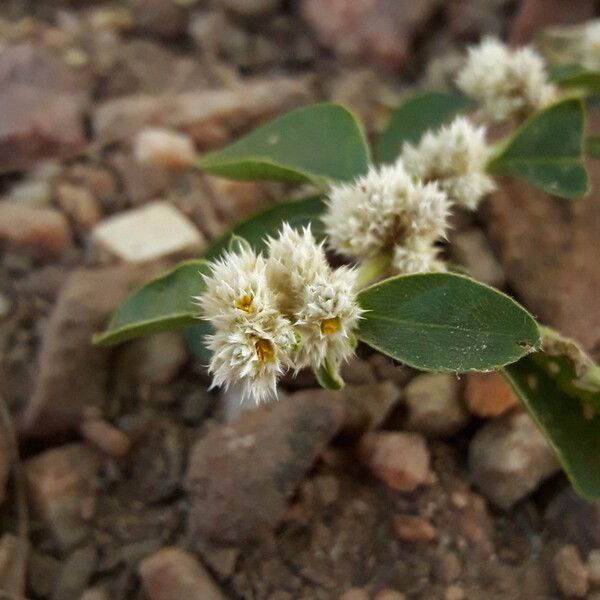
Plant Overview
Often referred to as the Joyweed or Calico Plant, Alternanthera tenella is the low-growing chameleon of the tropical garden. Native to the warm regions of Central and South America, this resilient groundcover is famous for its "weave-like" growth habit, creating dense mats of foliage that look like living carpets. It is a favorite for gardeners who want to add texture and intricate patterns to their borders or rock gardens.
🔍 How to Identify
- 🍃 The Foliage: The leaves are small, lance-shaped, and usually grow in opposite pairs. Depending on the variety, they can range from a vibrant lime green to a deep, moody burgundy or even multi-colored "calico" patterns.
- ☁️ The Flowers: It produces tiny, inconspicuous white or cream-colored flowers. These look like small, papery puffballs tucked away where the leaf meets the stem (the axils).
- 🌱 Growth Habit: This is a creeping plant. It stays very low to the ground (usually under 6–12 inches) and spreads horizontally, rooting at the nodes wherever the stems touch moist soil.
🏡 In Your Garden
- ☀️ Color Control: While it survives in partial shade, the "joy" in Joyweed comes from the sun. The more sunlight it receives, the more intense and vibrant its leaf colors will become. In deep shade, it tends to revert to a plain, leggy green.
- ✂️ The "Haircut" Rule: This plant is incredibly forgiving of pruning. If it starts to look messy or "bald" in the center, a quick shearing will encourage it to grow back thicker and more lush than before. It’s also an excellent choice for "living tapestries" or knot gardens because of how well it holds a shape.
⚠️ Safety & Toxicity
- 🟢 Status: Generally considered non-toxic.
- 🐾 Details: Alternanthera tenella is not known to be poisonous to cats, dogs, or horses. However, as with any ornamental plant, it’s best to discourage pets from munching on it, as ingesting large amounts of any fibrous plant material can cause mild stomach upset.
✨ Fun Fact
The genus name Alternanthera comes from the Latin word "alternans," which means "alternating." This refers to the plant's unique anatomy, specifically how its fertile stamens alternate with sterile ones (staminodes) within its tiny flowers!

Detailed Care Instructions
Alternanthera tenella, commonly known as the pink chaff flower, is a popular plant for gardens and aquariums due to its bright coloration and adaptability. Here are some tips to help you grow Alternanthera tenella successfully:
Growing Conditions
- Light: Alternanthera tenella prefers bright, indirect sunlight. It can tolerate some direct sunlight but may scorch if exposed for too long.
- Soil: Use well-draining soil that retains some moisture. A mixture of potting soil, perlite, and compost works well. If growing in aquariums, nutrient-rich aquarium substrate is ideal.
- Water: Keep the soil consistently moist but not waterlogged. Water when the top inch of soil feels dry. If planted in an aquarium, ensure the water is clean and properly maintained.
- Temperature: This plant thrives in warmer temperatures, ideally between 65°F and 80°F (18°C to 27°C). Protect it from frost and cold drafts.
- Humidity: Higher humidity levels are beneficial. If growing indoors, consider using a humidity tray or misting the leaves.
Propagation
- Cuttings: Alternanthera tenella can be easily propagated from stem cuttings. Take cuttings from a healthy plant, allowing them to callus for a few hours before inserting them in soil or water until roots develop.
Fertilization
- Use a balanced, water-soluble fertilizer every 4-6 weeks during the growing season (spring and summer). Reduce feeding in fall and winter.
Maintenance
- Pruning: Regularly prune the plant to encourage bushier growth and remove any dead or yellowing leaves. This also helps maintain its shape.
- Pests and Diseases: Watch for pests like aphids, spider mites, and mealybugs. Treat any infestations promptly with insecticidal soap or neem oil.
Special Considerations
- Aquarium Use: If you are growing Alternanthera tenella in aquariums, ensure it is planted in nutrient-rich substrate and provide adequate lighting, as this will enhance its color and growth.
By following these guidelines, you can successfully grow Alternanthera tenella and enjoy its vibrant foliage in your garden or home.

Place in a window with dappled sun or a spot in the middle of a room. Or directly in a window facing west or east.

To effectively water Alternanthera tenella, it's essential to consider the plant's specific needs and growth conditions. Here’s a detailed guide on how to water this particular species:
1. Soil Moisture: Before watering, check the moisture level of the soil. Allow the top inch of soil to dry out slightly between waterings. You can use your finger to gauge the moisture content; if it feels consistently damp, it’s best to wait before adding more water.
2. Watering Method: When watering, it’s preferable to use a watering can with a spout that allows for controlled delivery. Direct the water at the base of the plant to avoid wetting the foliage excessively, which can promote fungal diseases.
3. Water Quality: Ideally, use room temperature water that is free from chlorine and salt. Rainwater or filtered water is a great option. If you must use tap water, let it sit out for 24 hours to allow chlorine to dissipate.
4. Frequency: The frequency of watering will depend on environmental conditions such as humidity and temperature. In general, during the growing season (spring and summer), more frequent watering is required, possibly every 1-2 weeks. During the dormant winter months, reduce watering as the plant requires less moisture.
5. Drainage: Ensure that the pot has adequate drainage holes to prevent water from sitting at the bottom, which can lead to root rot. If the substrate retains too much moisture, consider mixing in materials like perlite or sand to enhance drainage.
6. Observation: Regularly observe the plant for signs of overwatering (yellowing leaves, mushy stems) or underwatering (wilting, dry leaves). Adjust your watering routine accordingly based on the plant's condition.
7. Humidity: Since this species thrives in humid environments, consider misting the leaves occasionally or placing the pot on a tray filled with water and pebbles to increase the local humidity around the plant. This practice should complement your watering routine but should not replace it.
By following these guidelines, you can ensure that your Alternanthera tenella receives the appropriate amount of water to thrive.
To effectively fertilize Alternanthera tenella, follow these guidelines:
- Type of Fertilizer: Use a balanced, slow-release fertilizer that has an N-P-K ratio of 10-10-10 or similar. Alternatively, a water-soluble fertilizer can be used for quicker nutrient uptake.
- Timing:
- Begin fertilizing in the spring when new growth appears.
- Fertilize every 4-6 weeks throughout the growing season (spring and summer).
- Reduce or stop fertilization in the fall and winter when the plant's growth slows down.
- Begin fertilizing in the spring when new growth appears.
- Application Rate:
- For slow-release fertilizers, follow the manufacturer's instructions regarding the amount per pot or area in the ground.
- For liquid fertilizers, dilute to half the recommended strength to avoid over-fertilization and apply after watering.
- For slow-release fertilizers, follow the manufacturer's instructions regarding the amount per pot or area in the ground.
- Watering: Always water the plant lightly before applying fertilizer to prevent root burn. Ensure the soil remains moist but not waterlogged.
- Observation: Monitor the plant for signs of nutrient deficiency or excess, such as yellowing leaves or stunted growth, and adjust fertilization practices accordingly.
- Soil Condition: Ensure the soil has good drainage and aeration. If needed, amend the soil with organic matter to improve fertility.
By following these fertilization practices, you can promote healthy growth and vibrant foliage in your Alternanthera tenella.
Alternanthera tenella thrives best in well-draining soil that is rich in organic matter. A suitable soil mix would typically consist of the following components:
- Loamy Soil: Aim for a balanced mix of sand, silt, and clay to ensure good aeration and drainage while retaining some moisture.
- Organic Matter: Incorporate compost or well-rotted leaf litter to enhance nutrient content and improve soil structure.
- pH Level: This plant prefers slightly acidic to neutral soil, ideally within a pH range of 6.0 to 7.0. Testing the soil can help you adjust its pH if necessary.
- Drainage: Ensure the soil is well-draining, as waterlogged conditions can lead to root rot. This can be achieved by mixing in sand or perlite.
- Nutrient-Rich Mix: A potting mix designed for tropical plants can also be a good choice, as it typically has the right balance of nutrients and drainage properties.
When planting, ensure that the soil is kept consistently moist but not soggy, and monitor the moisture levels to prevent overwatering.
To propagate Alternanthera tenella, you can use two primary methods: stem cuttings and division.
Propagation by Stem Cuttings
- Selecting Cuttings: Choose healthy stems with several leaves. Ideally, select cuttings that are 4-6 inches long. Look for stems that are vigorous and free from disease.
- Preparing Cuttings: Use clean, sharp scissors or pruning shears to make a cut just below a leaf node. Remove any leaves from the bottom 2-3 inches of the cutting to expose the nodes.
- Rooting Hormone (Optional): Dip the cut end into rooting hormone to promote root development. This step is optional, but it can enhance the success rate of propagation.
- Planting Cuttings: Place the cuttings in a well-draining potting mix or a container filled with water. If using soil, ensure that the cuttings are inserted deep enough to provide stability but do not bury the leaves.
- Watering: If planted in soil, water the cuttings lightly to settle the soil around them. If rooting in water, ensure the nodes are submerged while keeping the leaves above water.
- Creating Humidity: To encourage root growth, cover the cuttings with a plastic bag or a humidity dome to maintain moisture levels, ensuring they receive indirect light.
- Monitoring: Check the moisture levels regularly and mist the cuttings to maintain humidity, but avoid overwatering. After a few weeks, roots should begin to develop.
- Transplanting: Once the cuttings have established good roots (usually a few inches long), transplant them into individual pots or the desired location in the garden.
Propagation by Division
- Selecting a Mature Plant: Choose a healthy, established plant with multiple stems or clusters. This method works best when the plant is actively growing.
- Removing the Plant: Carefully uproot the plant from its pot or the ground, taking care to retain as much soil around the roots as possible.
- Dividing the Plant: Using clean, sharp tools, gently separate the root clumps into smaller sections. Each division should have a sufficient amount of roots and at least one healthy stem and leaf.
- Trimming (if necessary): If any of the roots or stems are damaged during division, trim them back to promote better health.
- Replanting: Plant each division in well-draining potting mix, ensuring the roots are adequately covered and the leafy part is above soil.
- Watering: Water the newly planted divisions lightly to help settle the soil. Ensure good drainage to prevent waterlogging.
- Caring for Divisions: Place the new plants in a location with indirect light and maintain consistent moisture without overwatering until they establish.
- Monitoring Growth: Keep an eye on the new plants, making sure they adapt well and begin to show new growth before fully introducing them to more intense light.
By following these propagation methods, you can successfully cultivate new plants from Alternanthera tenella and expand your collection.
Common pests of the sanguinaria include Spider mites, aphids, thrips. Make a habit of checking your sanguinaria frequently for pests so that any infestations can be caught and managed early.








