Plant Overview
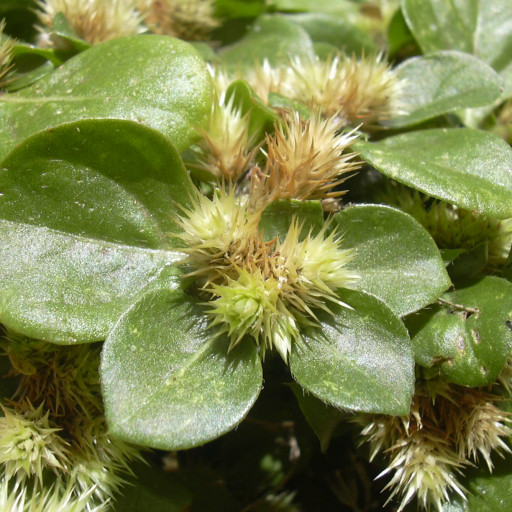
Known as "Joseph’s Coat" or "Parrot Leaf," Alternanthera is the ultimate "living paintbrush" of the plant world. Native primarily to the tropical regions of the Americas, these plants are famous for their kaleidoscope of foliage that looks like it was splashed with neon paint. Whether they are acting as a vibrant groundcover or a striking accent in a terrarium, they bring a dramatic, high-contrast energy to any space.
🔍 How to Identify
- 🌈 Technicolor Foliage: The most striking feature is the leaves, which can range from deep burgundy and hot pink to lime green, orange, and gold—often all on the same plant.
- 🍃 Leaf Structure: Depending on the variety, leaves are either narrow and lance-shaped or small and rounded (ovate), usually growing in opposite pairs along the stem.
- ☁️ Inconspicuous Blooms: It produces tiny, papery, clover-like white or beige flowers that often hide tucked away in the leaf axils, though they are usually secondary to the spectacular leaves.
🏡 In Your Garden
- ☀️ The Sun-Color Connection: The intensity of its "coat" depends entirely on light; the more sun it receives, the more vivid and saturated the reds and pinks become. In deep shade, it may revert to a moody green.
- ✂️ Pruning for Shape: Alternanthera can become "leggy" or thin if left to its own devices. Pinching off the tips regularly encourages a dense, bushy habit, making it look like a thick, plush carpet.
- 💧 Thirst for Humidity: Because of its tropical roots, it dislikes "wet feet" (soggy roots) but loves high humidity. It is a popular choice for terrariums or pond edges where the air remains moist.
⚠️ Safety & Toxicity
- ✅ Pet & Child Friendly: Generally considered non-toxic to cats, dogs, and humans. It is a safe choice for households with curious nibblers.
- 🌱 Skin Sensitivity: While not poisonous, some individuals with sensitive skin might experience mild irritation from the sap if pruning a large number of plants, so gloves are a good idea for heavy gardening.
✨ Fun Fact
In the Victorian era, Alternanthera was the "secret weapon" for "carpet bedding"—a style of gardening where plants were packed tightly together to create living tapestries, company logos, or even functioning floral clocks!

Detailed Care Instructions
To grow Alternanthera plants, follow these steps:
- Choose a suitable location: Alternanthera plants prefer full sun to partial shade. Select a location with well-draining soil.
- Prepare the soil: Before planting, enrich the soil by adding compost or well-rotted manure. This will improve soil quality and fertility.
- Propagation: Alternanthera plants can be propagated through stem cuttings. Take cuttings of about 3-4 inches long from a healthy parent plant. Remove the leaves from the lower half of the cutting.
- Planting: Plant the cuttings in moist soil, leaving about half of the cutting above the soil's surface. Space the cuttings 6-8 inches apart to allow for proper growth. Water the cuttings thoroughly.
- Watering: Keep the soil consistently moist, but not waterlogged. Water thoroughly whenever the top inch of soil feels dry.
- Fertilization: Apply a balanced, slow-release fertilizer a few times during the growing season to promote healthy growth. Follow the manufacturer's instructions for application rates.
- Pruning: To keep Alternanthera plants compact and bushy, pinch back the growing tips regularly. This will encourage branching and abundant foliage.
- Mulching: Apply a layer of organic mulch around the base of the plants to retain moisture and suppress weed growth. This will also help to insulate the roots during extreme temperatures.
- Pest and disease control: Keep an eye out for common pests like aphids, mealybugs, and spider mites. Treat any pest infestation with appropriate insecticidal soap or organic pest control methods. Monitor for signs of diseases such as fungal leaf spots and treat promptly with fungicides if necessary.
- Winter care: Alternanthera plants are usually grown as annuals in colder climates. If you live in a region with harsh winters, dig up the plants before frost and bring them indoors or discard them. In milder climates, where they are able to survive, you can cut them back in late winter or early spring to promote fresh growth.
By following these guidelines, you can successfully grow Alternanthera plants and enjoy their vibrant foliage in your garden or container plantings.

Place in a window with dappled sun or a spot in the middle of a room. Or directly in a window facing west or east.

To water this plant, examine the soil moisture by sticking your finger about an inch into the soil. If the soil feels dry, it's time to water. Give a deep watering, thoroughly saturating the soil until excess water drains through the bottom of the pot. Allow the top inch of soil to dry out before watering again. Avoid getting water on the leaves to prevent fungal diseases. For best results, provide moderate humidity and fertilize every few weeks during the growing season.
- Use a balanced fertilizer with an equal ratio of nitrogen, phosphorus, and potassium.
- Apply the fertilizer once a month during the growing season, usually from spring to fall.
- Dilute the fertilizer according to the instructions on the package.
- Water the plant lightly before and after fertilizing to prevent root burn.
- Avoid over-fertilizing, as it can lead to excessive growth and reduced plant health.
- Always follow the manufacturer's instructions when using any fertilizer.
- Monitor the plant's growth and adjust fertilization frequency or amount as needed.
Alternanthera plants require a well-draining soil that retains some moisture but is not overly soggy. A soil with a pH level between 5.5 and 7.5 is ideal for these plants. The soil should also be rich in nutrients, including organic matter, which can be achieved by adding compost or manure to the soil before planting. In addition, it is recommended to use a sandy loam soil or a good quality potting mix that contains perlite or vermiculite to increase the soil's drainage and provide adequate aeration for the roots. Avoid using heavy or compacted soils with poor drainage, as these can lead to root rot and other issues. Overall, the soil should be amenable to regular watering and have good fertility levels to promote healthy growth and vibrant foliage in Alternanthera plants.
To propagate this plant, you will need to gather a sharp pair of pruning shears and a clean work surface. Take cuttings from the parent plant, ensuring that each cutting has at least one node (a small protrusion on the stem from which leaves grow). Remove the lower leaves from each cutting, leaving only a few at the top. Dip the cut end of each cutting into rooting hormone powder to encourage the development of roots. Gently plant each cutting in a small container filled with moist, well-draining potting soil. Place the container in a warm, bright spot, but avoid direct sunlight. Keep the soil moist but not waterlogged, and mist the cuttings regularly to maintain high humidity. After a few weeks, new roots should begin to develop, indicating that the cuttings have successfully propagated. Transplant the new plants into larger containers if desired.







