Plant Overview
Known affectionately as the Alyce Clover, Alysicarpus ovalifolius is a resilient, low-growing traveler that has made its way from the warm regions of Africa and Asia to tropical landscapes worldwide. While it often appears uninvited in lawns, this plant is far from a common weed; it is a dedicated soil-healer from the legume family. In many cultures, it is prized as a high-quality forage for livestock, acting as a nutritious "pasture candy."
🔍 How to Identify
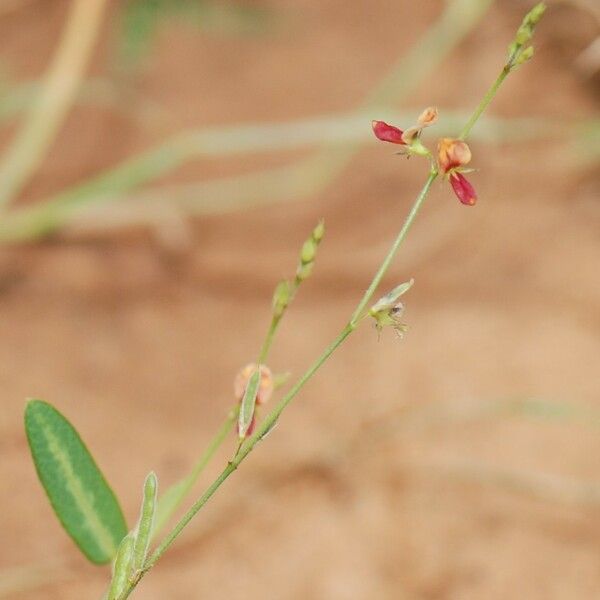
- 🍃 The Leaves: Unlike the three-leaf structure of "true" clovers, this plant features simple, solitary leaves that are distinctly oval or elliptical. They have a smooth, matte texture and a rich green hue.
- 🌸 The Flowers: Look closely for tiny, pea-like blossoms that emerge in clusters. They usually range from a delicate reddish-pink to a dusty orange or purple, appearing mostly during the warmer months.
- 📿 The Seed Pods: One of its most unique traits is the "loment"—a seed pod that looks like a tiny string of beads. Instead of splitting open like a pea pod, it breaks into individual, one-seeded segments when ripe.
🏡 In Your Garden
- 🌱 The Soil Architect: As a member of the Fabaceae family, it possesses the "superpower" of nitrogen fixation. It works with soil bacteria to pull nitrogen from the air and store it in the ground, naturally fertilizing the area for surrounding plants.
- 🚜 Resilient Growth: It is incredibly "squish-resistant." Because of its prostrate (creeping) growth habit, it can survive heavy foot traffic and low mowing heights, making it a popular choice for sustainable, low-input lawns in sandy coastal regions.
- ☀️ Sun Seeker: This plant thrives in full sun and well-drained, sandy soils. It is highly drought-tolerant once established, thanks to a sturdy root system that searches deep for moisture.
⚠️ Safety & Toxicity
- ✅ Status: Generally non-toxic and safe.
- 🐾 Details: Alysicarpus ovalifolius is considered safe for pets, children, and livestock. In many parts of the world, it is intentionally grown as high-protein hay for cattle and goats. However, as with any wild plant, it is best to ensure it hasn't been treated with chemical herbicides before allowing pets to munch on it.
✨ Fun Fact
The Alyce Clover is a master of "hitchhiking." Its segmented seed pods have tiny, microscopic hairs that act like Velcro, allowing the "beads" to stick to animal fur or hikers' socks to find a new home miles away!

Detailed Care Instructions
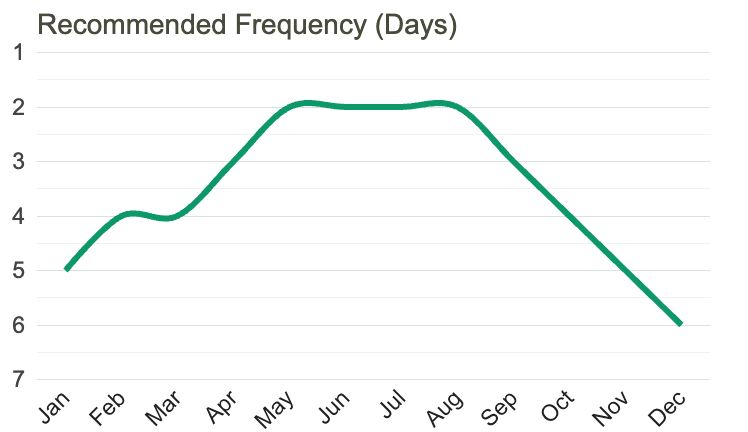
Water-loving plants flourish in wet or sloppy soil and near ponds. The extensive root system enables these plants to absorb plenty of water. The surface of the soil should be kept moist at all times. Place your pot in a container filled with water to guarantee that plants get enough water. If the ground becomes dry, it is recommended that you water it well. Plants in smaller pots will need to be watered more frequently. Water the soil in which the plant is standing thoroughly using a watering can.








