Plant Overview
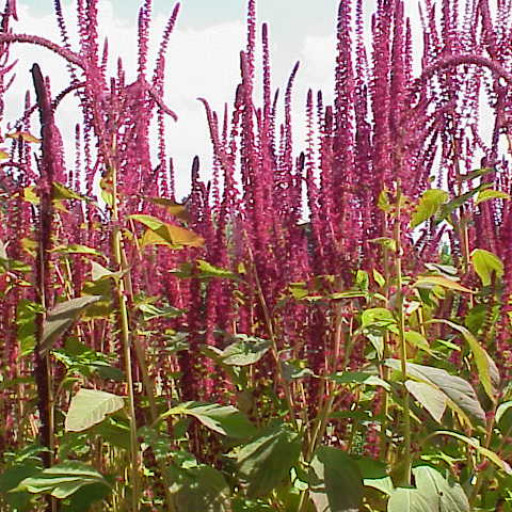
Nicknamed the "Prince’s Feather" or "Blood Amaranth," this striking giant has deep roots in Aztec history. Once a sacred crop used in ancient rituals and prohibited by conquistadors, it has made a triumphant return to modern gardens as both a visual masterpiece and a nutritional powerhouse. Its towering, crimson plumes act as a natural lighthouse, drawing in pollinators and curious neighbors alike.
🔍 How to Identify
- 👑 The Plumes: The most distinctive feature is its massive, upright flower spikes. These feathery clusters are usually deep burgundy or blood-red and feel surprisingly soft to the touch.
- 🍃 The Foliage: Large, broad leaves that are oval or lance-shaped. Depending on the variety, they can range from a vibrant lime green to a moody, dark purple-maroon.
- 📏 The Stature: This is no shrinking violet; it is a robust, erect plant that can easily reach 5 to 6 feet in height, supported by a thick, sturdy central stem.
🏡 In Your Garden
- ☀️ Sun Worshiper: Amaranthus cruentus uses a specialized type of photosynthesis (C4) that makes it incredibly efficient at turning sunlight into energy. It thrives in high heat and full sun where other plants might wilt.
- 🌱 The Taproot Strategy: Because it develops a deep, strong taproot, it is surprisingly drought-tolerant once established. However, this means it absolutely hates being moved—plant it exactly where you want it to stay.
- 🌾 Soil & Space: It isn't picky about soil quality but requires excellent drainage. Give it plenty of "elbow room" in your flower beds, as its heavy plumes can become top-heavy after a summer rain.
⚠️ Safety & Toxicity
- 🍽️ Status: Generally safe and highly nutritious for humans; the seeds and young leaves are edible and packed with protein.
- 🐾 Details: While edible for humans, pet owners should be cautious. The plant contains oxalates and can accumulate nitrates from the soil. If consumed in very large quantities by cats, dogs, or livestock, it may lead to kidney irritation or "nitrate poisoning."
✨ Fun Fact
In Mexico, the toasted seeds of this plant are mixed with honey or chocolate to create a traditional candy called Alegria, which translates literally to "Joy." This treat has been enjoyed for centuries and remains a staple of Mexican culture today!

Detailed Care Instructions
To grow Amaranthus cruentus (also known as red amaranth), you can follow these steps:
- Choose the right location: Amaranthus cruentus prefers full sun, so pick a spot in your garden that receives at least 6-8 hours of direct sunlight each day.
- Prepare the soil: The soil should be well-drained and fertile. You can amend the soil with organic matter like compost or well-rotted manure to improve its nutrient content.
- Sow the seeds: Amaranthus cruentus can be directly sown in the garden after the last frost date in your area. Scatter the seeds on the soil surface and lightly press them into the soil. Keep the seeds spaced about 12-18 inches apart.
- Watering: Keep the soil moist but not waterlogged during the germination period. Once the plants are established, they can tolerate some drought but prefer regular watering to maintain healthy growth.
- Fertilizing: Apply a balanced, slow-release fertilizer or add a layer of compost around the base of the plants every few weeks to provide them with necessary nutrients.
- Thin the seedlings: When the seedlings are about 2-3 inches tall, thin them to a spacing of about 12-18 inches to give each plant enough room to grow.
- Mulching: Apply a layer of organic mulch around the base of the plants to help retain moisture, suppress weed growth, and regulate soil temperature.
- Monitor for pests and diseases: Keep an eye out for common garden pests like aphids or caterpillars, and take appropriate measures to control them if necessary. Also, make sure to provide adequate airflow around the plants to prevent fungal diseases.
- Harvesting: Harvest the young leaves of Amaranthus cruentus when they are tender, usually around 40-60 days after sowing. You can also harvest the mature grain heads for their seeds.
By following these steps, you should be able to grow healthy and thriving Amaranthus cruentus plants in your garden.

Place in a bright room that is sun drenched almost all day. Or directly in a south-facing window.

To properly water this plant, it is important to first check the soil moisture level by inserting a finger about two inches into the soil. If the soil feels dry, it is time to water the plant. When watering, it is best to use a watering can or hose with a gentle nozzle to avoid damaging the plant's delicate leaves. Water slowly and evenly, making sure to cover the entire root zone of the plant and avoid getting water on the leaves. Allow the soil to drain completely, and avoid leaving the plant sitting in standing water as this can lead to root rot. Depending on the location and climate, this plant may require watering once or twice a week.
For optimal growth, provide the plant with a balanced fertilizer (10-10-10) in the early stages of growth. Apply the fertilizer every two weeks until the plant reaches maturity. After maturity, reduce the frequency to every 4-6 weeks. Be sure to water the plant thoroughly before and after fertilizing to prevent fertilizer burn.
The ideal soil for the plant should be loose, crumbly and well-draining. It should have a balanced mixture of sand, silt, and clay particles with a slightly acidic to neutral pH level. It should also contain essential nutrients such as nitrogen, phosphorus, and potassium, as well as micronutrients like calcium, magnesium, and iron. Organic matter such as compost or well-rotted manure can be added to improve soil structure and provide additional nutrients. The soil should be moist but not waterlogged, and the plant should be grown in an area with good sunlight and airflow.
To propagate this plant, you will need to wait until it has matured and developed seed heads. These can be harvested once they are dry and brown in color. From there, you can gently rub the seed heads to release the tiny seeds.
Next, you will need to prepare a planting location that receives plenty of sunlight. The soil should be well-draining and fertile. Sow the seeds thinly and cover them with a light layer of soil.
Water the area thoroughly and keep the soil consistently moist as the seeds germinate and grow. Thin the seedlings as needed to ensure they have enough space to mature.
Once the plant has reached maturity, you can collect the seed heads and repeat the process to propagate more plants.
Common pests of the red amaranth include Larvae. Make a habit of checking your red amaranth frequently for pests so that any infestations can be caught and managed early.








