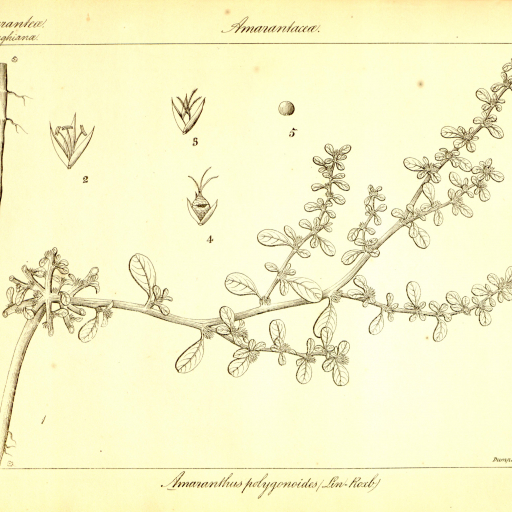
Plant Overview
Known as the Tropical Amaranth or Knotweed Amaranth, this low-profile plant is the humble relative of the flamboyant, towering garden Amaranths. While its cousins often steal the spotlight with vibrant red plumes, Amaranthus polygonoides prefers a life closer to the earth, forming resilient mats in rocky or disturbed soils. It is a master of survival, native to the tropical and subtropical regions of the Americas, and is often nicknamed for its striking resemblance to "Knotweed" (Polygonum).
🔍 How to Identify
- 🌿 Prostrate Growth: Unlike upright Amaranths, this species grows low to the ground, spreading its stems horizontally to create a dense, leafy carpet.
- 🍃 Teardrop Foliage: The leaves are small, typically less than an inch long, and shaped like little spoons or teardrops with a tiny notch at the tip.
- 🌸 Hidden Blooms: You won't find showy flowers here; instead, look for tiny, greenish-white clusters tucked away in the "armpits" (axils) where the leaf meets the stem.
🏡 In Your Garden
- 🏜️ Tough as Nails: This plant is an opportunist that thrives in poor, sandy, or rocky soil where other plants might struggle. It’s a great example of a "pioneer species" that helps stabilize loose soil.
- ☀️ Heat Seeker: It loves the sun and is exceptionally drought-tolerant. If you find it popping up in your garden, it’s usually a sign that the area is very well-drained and receives plenty of intense light.
⚠️ Safety & Toxicity
- 🟢 Generally Safe: This species is not considered toxic to humans or common household pets like cats and dogs.
- 🧪 Nitrate Warning: Like many members of the Amaranth family, if grown in soil heavily treated with chemical fertilizers, the plant can accumulate nitrates in its leaves. While rarely a problem for casual garden contact, it’s something to keep in mind if you have grazing livestock or curious "nibbling" pets.
✨ Fun Fact
The species name polygonoides is a Greek mashup that literally translates to "looks like Polygonum." It was named this because even expert botanists sometimes mistake it for common Knotweed at a distance until they see the distinct Amaranth-style seed structures!

Detailed Care Instructions
To grow Amaranthus Polygonoides (\textit{prostrate pigweed}), you can follow these steps:
- Climate and soil requirements: This plant thrives in warm climates and prefers well-draining soil. It can tolerate a wide range of soil types, from sandy to clayey soils.
- Seeds: Obtain the seeds from a reliable source or collect them from mature plants. You can sow the seeds directly into the garden bed or start them indoors in pots or trays.
- Planting location: Choose a sunny spot in your garden where the plant can receive at least 6-8 hours of direct sunlight daily. The soil should have good drainage to prevent waterlogging.
- Soil preparation: Prepare the soil by removing weeds, rocks, and debris. Loosen the soil with a garden fork or tiller, ensuring it is crumbly and not compacted. Mix in some well-rotted compost or organic matter to improve fertility.
- Sowing the seeds: If starting indoors, sow the seeds in small pots or trays filled with seed-raising mix. Cover the seeds lightly with a thin layer of soil or vermiculite. Water gently to ensure the soil is moist but not waterlogged.
- Transplanting or thinning: If starting indoors, transplant the seedlings outdoors once they have grown a few sets of true leaves and the risk of frost has passed. Space the plants about 6-8 inches apart to allow for proper growth and airflow. Alternatively, if sowing directly in the garden bed, thin the seedlings to the desired spacing once they have established.
- Watering: Water the plants regularly, keeping the soil evenly moist but not saturated. Avoid overwatering, as it can lead to root rot or fungal diseases.
- Mulching: Apply a layer of organic mulch, such as straw or wood chips, around the plants. Mulching helps to retain soil moisture, suppress weeds, and regulate temperature.
- Fertilizing: If necessary, fertilize the plants every 4-6 weeks with a balanced organic fertilizer. Follow the instructions on the fertilizer package for application rates.
- Controlling weeds: Regularly remove weeds around the plants, especially in the early stages. Be careful not to disturb the shallow root system of the pigweed.
- Pest and disease management: Monitor the plants for any signs of pests or diseases, such as aphids or powdery mildew. Treat any issues promptly using organic, environmentally-friendly methods.
- Harvesting: Harvest the leaves when they are young and tender for use in salads, stir-fries, or as a cooked green. You can also let some plants mature and produce seeds for future planting.
Remember to check if Amaranthus Polygonoides is considered invasive in your area, as it can become weedy and compete with native plants.

Place in a bright room that is sun drenched almost all day. Or directly in a south-facing window.

To water this particular plant, you should first check the soil for moisture. If the soil feels dry to the touch, it needs watering. It is important to water the plant deeply, allowing the water to penetrate the soil down to the roots. However, you should be mindful not to over-water the plant as it can lead to root rot. A good way to ensure proper watering is to use a watering can or hose with a gentle spray nozzle, allowing the water to seep into the soil slowly. It is also important to note that this plant prefers well-draining soil, so you should avoid letting the soil become waterlogged.
To fertilize this plant, first ensure that the soil is moist and not too compacted. Then, mix a balanced fertilizer, such as a 10-10-10 or 20-20-20, into the soil at a rate of one tablespoon per square foot. Apply the fertilizer evenly around the base of the plant, taking care not to get any on the leaves. Water the plant thoroughly after fertilizing to help the nutrients absorb into the soil. Fertilize every 4-6 weeks during the growing season.
When growing the plant Amaranthus Polygonoides, it is important to use a well-draining soil that is rich in organic matter. The soil should have a balanced pH level and be able to retain moisture without becoming waterlogged. A soil mix that contains a blend of peat moss, perlite, and vermiculite can provide the ideal growing conditions for this plant. Fertilizing the soil with a slow-release fertilizer can also help to promote healthy growth. Additionally, it is important to ensure that the soil is well-aerated and free of any pests or diseases that could harm the plant. Regular watering and proper drainage are also important factors to consider when selecting soil for Amaranthus Polygonoides.
To propagate this plant, take a stem cutting from a healthy mature plant. The cutting should be around 10-15cm long and should contain at least two sets of leaves. Remove the bottom set of leaves and dip the stem into rooting hormone powder. Insert the stem into a pot filled with moist potting soil or vermiculite.
Water the cutting and cover it with a plastic bag or clear plastic container to create a humid environment. Keep the soil moist and place the cutting in a spot that receives bright, indirect light.
After a few weeks, the cutting should start to produce new growth. Once the roots have formed, the cutting can be transplanted into a larger pot or into the ground. Water the plant regularly and fertilize it once a month during the growing season.








