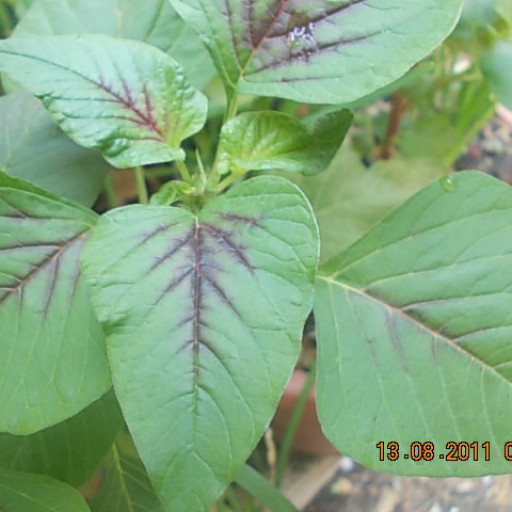
Plant Overview
Known as "Joseph’s Coat," Amaranthus tricolor is like a living firework display for your garden. While many plants are grown for their flowers, this stunning annual is prized for its show-stopping, multi-colored foliage that mimics the brilliance of a sunset. It has deep roots in South Asian cultures where it is cherished as both a decorative marvel and a nutritious leafy green.
🔍 How to Identify
- 🌈 The Foliage: The star of the show. Long, pointed leaves that often start green at the base and transition into brilliant shades of electric yellow, fiery red, and neon pink toward the top.
- 🦒 Growth Habit: It grows in an upright, bushy "fountain" shape, typically reaching 2 to 4 feet in height, making it a perfect mid-border plant.
- 🌾 The Flowers: Small, inconspicuous greenish or reddish flower spikes appear tucked away in the leaf axils, though they are usually overshadowed by the neon leaves.
🏡 In Your Garden
- ☀️ Light and Color: To achieve those "Instagram-worthy" neon hues, this plant requires full sun. In the shade, the leaves often lose their brilliance and revert to a plain, dull green.
- 💧 Taproot Sensitivity: Amaranthus develops a deep taproot quickly, which makes it quite drought-tolerant once established. However, this also means it absolutely hates being moved; transplanting often leads to wilting or stunted growth.
- 🚫 Fertilizer Warning: Avoid heavy nitrogen fertilizers. If the soil is too rich, the plant will prioritize leafy growth over pigment, causing those famous "Joseph’s Coat" colors to fade significantly.
⚠️ Safety & Toxicity
- 🐾 Pet Safety: It is generally considered non-toxic to dogs and cats. However, eating large amounts of any fibrous plant can lead to mild digestive upset or drooling.
- 🥬 Nitrate Accumulation: While the leaves are edible (often compared to spinach), the plant can accumulate nitrates if grown in soil heavily treated with chemical fertilizers. If you plan to nibble on it, stick to organic growing methods.
✨ Fun Fact
In the Caribbean, particularly in Jamaica, Amaranthus tricolor is a staple ingredient in "Callaloo," a beloved traditional soup. It is one of the few ornamental garden plants that doubles as a genuine superfood, packed with vitamins A and C!

Detailed Care Instructions
| Soil Ph | Neutral To Acidic |
| Humidity | Normal |
| Lighting | Full Sun |
| Toxicity | Poisonous |
| Soil Type | Moist But Well-Drained |
| Bloom Time | Summer, Fall, Early Winter |
| Difficulty | Easy |
| Plant Type | Herbaceous Annual |
| Hibernation | Cold Period |
| Mature Size | 2–5 Ft. Tall, 1-2 Ft. Wide |
| Native Area | North America, Central America |
| Temperature | 22°C - 30°C |
| Sun Exposure | Full Sun, Partial Shade |
| Hardiness Zones | 2-11 |
To grow an Amaranthus Tricolor plant, also known as Joseph's Coat or Summer Poinsettia, follow these steps:
- Purchase seeds or young plants from a reputable nursery or online seed supplier. Choose a variety that suits your garden's growing conditions.
- Choose a suitable location for planting. Amaranthus Tricolor thrives in full sun to partial shade. Ensure the soil is well-drained and fertile.
- Prepare the soil by removing any weeds and rocks. Loosen the soil and mix in compost or organic matter to improve drainage and provide nutrients.
- Sow the seeds directly into the prepared soil or start them indoors 4-6 weeks before the last frost date in your area. If starting indoors, sow the seeds in small pots or seed trays filled with seed-starting mix. Lightly cover the seeds with soil and keep them consistently moist.
- If starting indoors, provide sufficient light and warmth for seed germination. Amaranthus Tricolor requires warm temperatures of around 70-80°F (21-27°C) for optimal growth. Place the seed trays near a sunny window or use grow lights to provide adequate lighting.
- Once the seedlings have developed a few sets of true leaves and all risk of frost has passed, transplant them into the outdoor garden. Space the plants at least 12-18 inches apart to allow for proper growth.
- Water the plants regularly to keep the soil moist but not waterlogged. Amaranthus Tricolor prefers consistently moist soil, so ensure it doesn't dry out completely between watering.
- Mulch around the base of the plants to help retain moisture and suppress weed growth.
- Fertilize the plants every 4-6 weeks with a balanced, slow-release fertilizer according to the package instructions. Alternatively, you can apply organic compost or a liquid fertilizer.
- Monitor the plants regularly for pests and diseases. Common issues include aphids, slugs, and powdery mildew. If necessary, treat with organic pest control methods or consult a local garden center for specific recommendations.
- As the plants grow, you can pinch back the tops to encourage bushier growth and more colorful foliage.
- Harvest the young leaves and tender stems as needed for culinary purposes. They are often used in salads or cooked as a nutritious green vegetable.
By following these steps, you can successfully grow and enjoy an Amaranthus Tricolor plant in your garden.

Place in a bright room that is sun drenched almost all day. Or directly in a south-facing window.

To properly water this plant, you should first examine the soil at a depth of one or two inches to determine if it is dry. If the soil is dry, water the plant until the soil is moist but not saturated. It is important to avoid getting the leaves wet while watering to prevent the development of fungal diseases. During the summer months, this plant may require more frequent watering. Additionally, it is important to ensure that the soil has good drainage to avoid waterlogging the plant's roots. Consider using a pot with drainage holes and adding a layer of gravel or rocks to the bottom of the pot to enhance drainage.
- Choose a balanced fertilizer with an N-P-K ratio of 10-10-10 or 20-20-20.
- Apply the fertilizer at a rate of 1-2 tablespoons per square foot of soil.
- Work the fertilizer into the top inch of soil.
- Water the plant thoroughly after fertilizing.
- Repeat fertilizer application every four to six weeks during the growing season.
Amaranthus Tricolor plant requires a well-draining soil with a pH level of 6.0 to 6.5. It prefers a soil that is rich in organic matter, with good water retention, and high fertility. A mix of nutrient-rich topsoil and compost is ideal for this plant. The soil should also be loose and aerated to allow for good root growth and nutrient absorption. The addition of perlite or sand can also aid in soil drainage. It is important to avoid using soil that is compacted, heavy, or has poor drainage as it can suffocate the roots and lead to root rot. Regular fertilization and adequate watering will also help to ensure healthy growth of the plant.
To propagate this plant, start by selecting a healthy mature plant from which to take cuttings. Using clean, sharp scissors, cut a stem from the main plant that is about 4-6 inches long. Remove the leaves from the lower 2 inches of the stem.
Next, prepare a small planting pot with well-draining soil and water the soil lightly so it is slightly damp. Dip the cut end of the stem in rooting hormone, which will encourage root growth. Place the stem into the prepared pot and gently press the soil around the stem to secure it in place.
Cover the pot with a clear plastic bag or a plastic dome to create a humid environment for the cutting. Place the pot in a warm, bright location, but out of direct sunlight. After a few weeks, the cutting should have developed roots and can be transplanted to a larger pot or outside in the garden.
It's important to monitor the soil moisture and ensure the cutting doesn't dry out. Once the cutting has taken root and begins to grow, it can be treated like any other Amaranthus Tricolor plant, including regular watering and fertilization as needed.
Common pests of the chinese amaranth include Larvae. Make a habit of checking your chinese amaranth frequently for pests so that any infestations can be caught and managed early.








