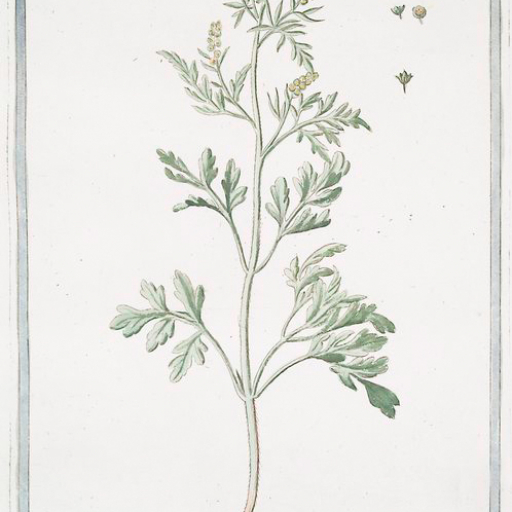
Plant Overview
Known as "Sea Ragweed," this hardy pioneer thrives where other plants wither—right on the edge of the salt-sprayed coast. While it lacks flashy flowers, its silvery-green foliage gives it a ghostly, elegant shimmer under the Mediterranean sun. Historically, it has been a staple in traditional herbalism across Africa and the Middle East, valued more for its chemistry than its looks.
🔍 How to Identify
- 🌿 Velvety Foliage: The leaves are deeply divided and covered in a dense coat of soft, white hairs, giving the entire plant a distinct grayish-silver or dusty appearance.
- 📏 Growth Habit: An upright annual herb that typically grows between 30 to 60 centimeters tall, branching out to create a bushy, rugged silhouette.
- 🟢 Inconspicuous Blooms: It produces small, greenish-yellow flower heads clustered in spikes at the tips of the stems. They are wind-pollinated and lack traditional petals.
🏡 In Your Garden
- 🏖️ Coastal Specialist: This plant is exceptionally salt-tolerant. It is perfect for seaside gardens where salt spray and sandy, nutrient-poor soil prevent more delicate species from growing.
- ☀️ Natural Sunscreen: The silver hairs on the leaves aren't just for show; they act as a reflective shield against intense UV rays and help the plant retain moisture in arid environments.
- 🌱 Low Maintenance: Because it is adapted to harsh shorelines, it requires almost no fertilizer and prefers to be left alone once the roots are established in well-draining soil.
⚠️ Safety & Toxicity
- 🤧 High Allergen: As a member of the Ambrosia genus, it is a significant producer of pollen. It is a major trigger for hay fever and can cause severe sneezing or respiratory discomfort for allergy sufferers.
- 🐾 Skin Irritant: The plant contains compounds that can cause "contact dermatitis" (an itchy red rash) in sensitive individuals or pets if brushed against or handled without gloves.
- 🚫 Not for Consumption: While used in specific traditional medicines, it is considered toxic if ingested in raw or incorrect quantities due to potent bitter compounds.
✨ Fun Fact
In parts of Egypt and Sudan, Sea Ragweed is hailed as a public health hero. It is used as a natural "molluscicide"—when the dried plant is placed in irrigation canals, it releases chemicals that kill the specific snails responsible for spreading Schistosomiasis, a parasitic disease.

Detailed Care Instructions
To grow Ambrosia Maritima plants, follow these steps:
- Climate: Ensure that you live in a suitable climate for Ambrosia Maritima, which is a Mediterranean plant. It requires warm temperatures and bright sunlight to thrive. If you live in a region with cold winters, consider growing Ambrosia Maritima as an annual or in containers that can be moved indoors during the winter months.
- Soil: Ambrosia Maritima prefers well-draining soil. Prepare the soil by adding organic matter like compost or aged manure to improve its fertility and drainage.
- Planting: Sow the seeds directly in the ground or in containers during spring or early summer. The seeds should be sown at a depth of about 1/4 inch (0.6 cm) and spaced around 12 inches (30 cm) apart.
- Watering: Keep the soil evenly moist but not waterlogged. Water the plants regularly, especially during dry periods. Avoid overwatering as it can cause root rot.
- Sunlight: Place the Ambrosia Maritima plants in a sunny location that receives at least 6 to 8 hours of direct sunlight each day. Insufficient sunlight may result in weak growth and poor flower production.
- Mulching: Apply a layer of organic mulch around the base of the plant to help retain moisture, suppress weeds, and regulate soil temperature.
- Fertilization: Use a balanced fertilizer every four to six weeks during the growing season to promote healthy growth and flowering. Follow the instructions on the fertilizer packaging for application rates.
- Pruning: Ambrosia Maritima does not require heavy pruning. However, you can remove spent flowers to encourage new growth and prolong the blooming period.
- Pests and Diseases: Monitor the plants regularly for pests like aphids and spider mites, which can be treated with insecticidal soap or horticultural oil. Ensure good air circulation around the plants to prevent fungal diseases.
- Winter Care: If you live in a colder climate, consider growing Ambrosia Maritima as an annual or in containers that can be moved indoors during winter. If left outdoors, provide winter protection by mulching the base of the plant with straw or dried leaves.
Remember to research and follow any specific care instructions for the Ambrosia Maritima variety you are growing, as some variations may have unique requirements.
To water the plant scientifically known as Ambrosia Maritima, follow these steps:
- Assess its water needs: Ambrosia Maritima prefers moderate to low watering levels, as it is adapted to arid and semi-arid conditions. It is crucial not to overwater the plant, as it can lead to root rot.
- Soil moisture check: Before watering, check the moisture level of the soil. Insert your finger about an inch into the soil near the base of the plant. If it feels dry at that depth, it is an indication that the plant requires watering.
- Watering frequency: Aim to water the Ambrosia Maritima plant about once every 10-14 days during its active growth period. However, adjust the frequency based on the environmental conditions such as temperature, humidity, and sunlight exposure. In winter or during dormancy, reduce watering frequency to prevent waterlogged soil.
- Watering technique: Use a gentle watering technique to avoid compacting the soil. It is recommended to use a watering can or a hose with a nozzle attachment that provides a soft and even flow of water.
- Watering quantity: Ensure that the plant receives a thorough watering. Apply water at the base of the plant until it begins to seep out of the drainage holes. This ensures that the entire root system is adequately hydrated.
- Avoid foliage wetting: Ambrosia Maritima is susceptible to fungal diseases if its foliage remains wet for prolonged periods. To prevent this, always direct the water towards the soil and avoid wetting the leaves. If water accidentally splashes on the foliage, gently pat it dry with a clean cloth or tissue.
- Drainage: Proper drainage is essential for the plant's health. Allow excess water to drain freely from the pot or container. Empty the saucer or tray beneath the pot to prevent the plant from sitting in standing water, as it can lead to root rot.
- Observation: Regularly monitor the plant for signs of both overwatering and underwatering. Overwatering may result in yellowing leaves, leaf drop, or the appearance of mold or fungus on the soil surface. Underwatering, on the other hand, causes wilting, dry soil, and yellow or withered leaves. Adjust the watering schedule accordingly based on these visual cues.
To properly fertilize the Ambrosia Maritima plant, follow these instructions:
- Choose a balanced, water-soluble fertilizer with equal amounts of nitrogen (N), phosphorus (P), and potassium (K). Consider a formula like 10-10-10 or 20-20-20.
- Dilute the fertilizer according to the package instructions. Usually, a dilution ratio of 1 tablespoon of fertilizer per gallon of water is suitable for indoor plants.
- Use a watering can or sprayer to evenly apply the diluted fertilizer solution to the soil around the base of the plant. Avoid getting the fertilizer on the leaves or stems, as it may cause burn or damage.
- Make sure to fertilize the Ambrosia Maritima plant during its active growing season, which is typically spring and summer. This will provide the necessary nutrients to support healthy growth.
- It's crucial not to over-fertilize the plant, as excessive nutrients can harm the plant's roots and overall health. Fertilize the plant once every two to four weeks during the growing season, or in accordance with the fertilizer manufacturer's recommended frequency.
- Regularly monitor the plant's response to the fertilizer. If you notice burn, yellowing leaves, or stunted growth, reduce the concentration of fertilizer or the frequency of application.
- Additionally, ensure the plant receives adequate sunlight, water, and suitable room temperatures to complement the fertilization process and promote optimal growth.
Remember, it is always a good idea to refer to the specific guidelines provided by horticultural professionals or consult a plant expert for accurate fertilization recommendations tailored to the Ambrosia Maritima plant.
When growing Ambrosia Maritima, it is important to choose the right type of soil that suits its specific needs. The preferred soil for Ambrosia Maritima should possess certain qualities to ensure optimal growth and overall plant health.
Firstly, the soil should be well-draining to prevent waterlogging and the potential development of root rot. Adequate drainage is crucial as Ambrosia Maritima prefers a moderately moist environment but cannot tolerate excessive water in the root zone.
Secondly, the soil should be rich in organic matter. This helps to improve the soil's fertility and nutrient content, promoting healthy growth and development of the Ambrosia Maritima plant. Organic matter also helps improve water retention capabilities in sandy soils and enhances overall soil structure.
Additionally, Ambrosia Maritima prefers slightly acidic to neutral soil pH. Aim for a pH range between 6.0 and 7.5 to provide the best growing conditions for the plant. Maintaining the correct pH level ensures optimal nutrient uptake and assists in preventing nutrient deficiencies or toxicities.
Lastly, it is advisable to choose a soil that is free from contaminants, pesticides, or chemical residues. Organic, pesticide-free soil is preferable as it ensures the Ambrosia Maritima plant will not be exposed to harmful chemicals that may affect its growth and health.
By selecting a well-draining, nutrient-rich, slightly acidic to neutral soil, you are creating an ideal growing environment for Ambrosia Maritima, promoting vigorous growth and allowing the plant to thrive.
To propagate Ambrosia Maritima, you can follow these steps:
- Prepare a propagation area: Choose a well-draining pot or container and fill it with a suitable potting mix. Ensure that the container has drainage holes to prevent waterlogging.
- Obtain a mature Ambrosia Maritima plant: Locate a healthy, mature plant from which you can take cuttings for propagation. Ensure that the plant is disease-free and thriving to increase your chances of successful propagation.
- Take stem cuttings: Using sharp and sterile pruning shears or a utility knife, take several stem cuttings from the parent plant. Each cutting should be around 4-6 inches long and feature a few sets of leaves.
- Remove lower leaves: Trim off the lower leaves from the stem cuttings, leaving only a few sets of leaves at the top. This helps prevent excessive water loss during propagation.
- Optional rooting hormone: Although not necessary, you can dip the cut end of the stem into a rooting hormone powder or gel. This can expedite root development and increase the chances of successful propagation.
- Plant the stem cuttings: Make small holes in the pre-moistened potting mix and insert the cuttings. Gently firm the soil around the base of each cutting to provide stability.
- Provide optimal conditions: Place the container in a warm and bright area, preferably with indirect sunlight. Maintain a temperature of around 70-75°F (21-24°C) and ensure that the soil remains consistently moist but not waterlogged.
- Mist the cuttings regularly: Ambrosia Maritima benefits from increased humidity during the propagation process. Spray the cuttings lightly with water using a spray bottle, or you can cover the container with a plastic bag or propagation dome to create a mini greenhouse effect.
- Maintain appropriate moisture levels: Check the soil moisture levels regularly and water when needed to ensure it stays consistently moist. Avoid overwatering, as it can lead to rotting of the cuttings.
- Monitor roots' development: Within a few weeks, you should start to see signs of new root growth. Gently tug on the stem cuttings to check for resistance, indicating the development of roots. Once the cuttings have established a good root system, you can transplant them into individual pots or an outdoor garden.
By following these steps, you can successfully propagate Ambrosia Maritima plants and expand your garden or share them with fellow gardening enthusiasts.








