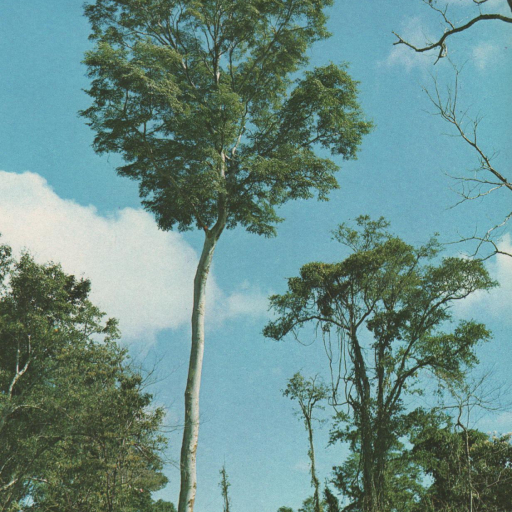
Plant Overview
Often called the Cerejeira or Imburana de Cheiro, this South American native is a sensory marvel of the dry forests. It is celebrated across the Brazilian Caatinga and Cerrado biomes for its aromatic seeds that carry a deep, vanilla-like perfume. In local folklore, it is often treated as a "pharmacy tree" because of its long history in traditional healing and its role as a herald of the changing seasons.
🔍 How to Identify
- 🪵 The Bark: One of its most striking features is the reddish-orange, papery bark that peels off in thin, translucent layers, revealing a smooth, cool-to-the-touch green surface underneath.
- 🍃 The Foliage: It features delicate, compound leaves (pinnate) that are a soft lime green. The tree is deciduous, meaning it will completely shed its leaves to survive the peak of the dry season.
- 🌰 The Seeds: The seeds are dark, winged, and slightly wrinkled. Their most identifying trait isn't visual, but olfactory—they release an intense, sweet scent of coumarin when handled.
🏡 In Your Garden
- ☀️ Sun & Space: This is a slow-growing giant that demands full sun and significant vertical space. It is not suitable for indoor living or small containers; it requires deep, well-draining soil to accommodate its hardy root system.
- 💧 Drought Strategy: Because it evolved in seasonally dry climates, the Amburana is a master of water conservation. It thrives on neglect once established, preferring long dry spells over constant "wet feet," which can lead to root rot.
⚠️ Safety & Toxicity
- 🧪 Chemical Status: The plant contains high concentrations of coumarin, a compound that gives it a lovely scent but acts as a natural blood thinner.
- 🐾 Pets & Kids: The seeds are the primary concern. While they smell like vanilla or gingerbread, they should never be ingested. High doses can be toxic to the liver, so keep fallen seeds out of reach of curious dogs and small children.
✨ Fun Fact
- 🍦 The "Vanilla" of the Woods: The fragrance of Amburana is so sophisticated that it is a prized ingredient in the luxury perfume industry. Beyond scents, craft brewers often age high-end beers in Amburana wood barrels to infuse them with notes of cinnamon, clove, and custard.

Detailed Care Instructions
Growing Amburana Cearensis, also known as Amburana, is relatively easy as long as you provide the right growing conditions. Here are some steps to help you grow Amburana Cearensis plant:
- Soil: Amburana Cearensis prefer well-draining soil that is slightly acidic to neutral. A mixture of peat moss, perlite, and sand can be a good option.
- Light: Amburana Cearensis prefers bright, indirect light. Place the plant near a window where it can receive plenty of sunlight but avoid direct sunlight, as it can scorch the leaves.
- Watering: Water the plant regularly but be careful not to overwater. Allow the top inch of soil to dry out between waterings. Amburana Cearensis do not like to sit in water, so make sure the pot has proper drainage.
- Temperature and Humidity: Amburana Cearensis prefer warm temperatures between 65-85°F (18-29°C) and moderate to high humidity levels. Mist the plant regularly or place it on a pebble tray filled with water to increase humidity.
- Fertilizing: Fertilize the plant once a month during the growing season (spring and summer) with a balanced liquid fertilizer. Do not fertilize during the winter when the plant is dormant.
- Pruning: Prune the plant to maintain its shape and remove any dead or damaged leaves. You can also propagate Amburana Cearensis through stem cuttings.
- Repotting: Repot the plant every 1-2 years in the spring, using a slightly larger pot. Replace the soil and trim any overgrown roots before repotting.
By following these steps and providing the right care, you can successfully grow Amburana Cearensis plant in your indoor or outdoor garden.
To water the Amburana Cearensis plant, it is important to first assess the soil moisture level before proceeding. Stick your finger into the soil to a depth of about 1 inch to check if it feels dry. If the soil feels dry, it is time to water the plant.
When watering the Amburana Cearensis plant, make sure to provide a thorough soaking rather than light, frequent watering. This will encourage the plant to develop deep roots, making it more resilient to drought conditions.
Avoid overwatering the plant, as this can lead to root rot and other issues. Allow the soil to dry out slightly between waterings to prevent this from happening.
During the growing season, typically spring and summer, the Amburana Cearensis plant will require more frequent watering. Reduce watering during the winter months when the plant is dormant.
Water the plant at the base to avoid getting the leaves wet, as this can lead to mold and other diseases. Use room temperature water to avoid shocking the plant's roots.
Monitor the plant closely for any signs of overwatering or underwatering, such as yellowing leaves or wilting. Adjust your watering schedule accordingly to ensure the plant remains healthy and thriving.
To fertilize the Amburana Cearensis plant, use a balanced fertilizer with equal amounts of nitrogen, phosphorus, and potassium. Apply the fertilizer in the early spring before new growth begins, following the manufacturer's instructions for dilution and frequency of application. Water the plant thoroughly after fertilizing to help distribute the nutrients throughout the soil. Avoid over-fertilizing, as this can cause nutrient imbalances and harm the plant.
Amburana Cearensis plants thrive in well-draining soil that is slightly acidic to neutral in pH. A suitable soil mixture for these plants should be loamy and rich in organic matter. It is recommended to use a combination of peat moss, perlite, and high-quality potting soil to create a well-balanced growing medium for Amburana Cearensis plants. Additionally, adding a slow-release fertilizer to the soil mixture can provide the necessary nutrients for healthy growth. It is important to ensure that the soil is not too compacted or waterlogged, as this can lead to root rot and other issues for the plant. Regularly checking the moisture level of the soil and adjusting watering accordingly is essential for the proper care of Amburana Cearensis plants.
Amburana Cearensis can be propagated through seeds or cuttings. To propagate through seeds, collect ripe seeds from the plant and sow them in well-draining soil at a depth of about 1 inch. Keep the soil consistently moist and place the seeds in a warm, sunny location. Germination typically occurs within 2-4 weeks.
To propagate through cuttings, take a 4-6 inch cutting from a healthy, mature plant. Remove the lower leaves and dip the cut end in rooting hormone. Plant the cutting in a well-draining soil mix and keep the soil moist. Place the cutting in a warm, humid environment with indirect sunlight. Roots should form within 4-6 weeks.
Regardless of the method chosen, it is important to provide the newly propagated plant with proper care, such as regular watering, fertilization, and protection from extreme temperatures, to ensure its healthy growth and development.








