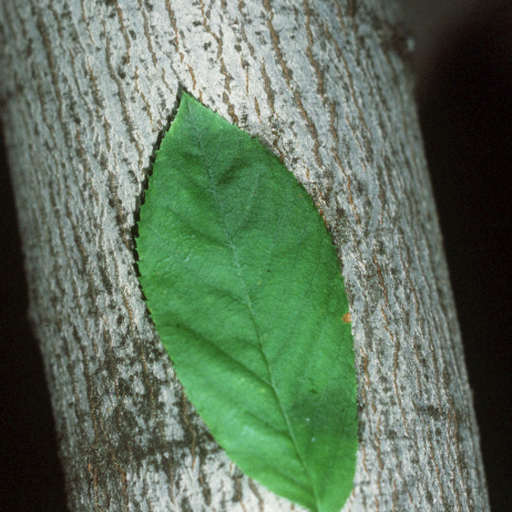
Plant Overview
Often called the Allegheny Serviceberry or Juneberry, Amelanchier laevis is a four-season superstar of the North American landscape. This graceful, multi-stemmed tree is one of the first to signal the end of winter with a cloud of white blossoms, followed by delicious summer berries and a fiery autumn finale. It is a favorite for those who want to invite the magic of a woodland edge into their suburban backyard.
🔍 How to Identify
- 🌸 Starry Blooms: Look for drooping clusters of five-petaled, white flowers that appear in early spring, often just as the young, copper-colored leaves begin to unfurl.
- 🍃 Bronze New Growth: Unlike many other serviceberries, the new foliage of Amelanchier laevis is hairless (smooth) and emerges with a distinct purplish-bronze tint before maturing into a deep green.
- 🪵 Striped Bark: The tree features smooth, silver-grey bark that develops subtle, dark vertical stripes, providing beautiful "skeletal" interest during the winter months.
🏡 In Your Garden
- 🫐 A Feast for Birds: If you are a birdwatcher, this is a must-have plant. In June, the tree produces small, sweet, purplish-black berries that attract robins, cedar waxwings, and mockingbirds.
- 🍂 Autumn Brilliance: This tree offers one of the most reliable fall displays, with leaves transitioning into vibrant shades of apricot, orange, and deep red.
- 💧 Location Nuance: It prefers moist, well-drained, acidic soil. Because it is a woodland native, it is much happier with "cool feet" (mulched roots) and can handle partial shade better than most flowering fruit trees.
⚠️ Safety & Toxicity
- ✅ Safe & Edible: The berries are entirely edible for humans and are often compared to a mix between a blueberry and an almond in flavor. They are excellent for jams, pies, or eating fresh.
- 🐾 Pet Safety: The plant is generally considered non-toxic to dogs and cats.
- 🍒 Seed Note: Like apples and cherries, the tiny seeds within the berries contain cyanogenic glycosides. While harmless in the quantities found in the fruit, avoid consuming large amounts of crushed seeds.
✨ Fun Fact
⛪️ The name "Serviceberry" dates back to the 19th-century Appalachian frontier. When the blossoms appeared, it was a sign that the ground had finally thawed enough for circuit-riding preachers to return and hold "services" for those who had passed away during the frozen winter.

Detailed Care Instructions
To grow Amelanchier laevis (also known as Allegheny serviceberry or smooth serviceberry), you can follow these steps:
- Choose the right location: Amelanchier laevis prefers full sun but can tolerate partial shade. It also thrives in well-drained soil that is slightly acidic.
- Prepare the soil: Before planting, ensure that the soil is fertile and well-draining. You can improve soil drainage by adding organic matter such as compost.
- Planting: Dig a hole that is wide and deep enough to accommodate the plant's root ball. Place the Amelanchier laevis plant in the hole, ensuring that the top of the root ball is level with the surface of the soil. Backfill the hole, gently firming the soil around the plant.
- Watering: Water the newly planted Amelanchier laevis thoroughly to settle the soil and encourage root establishment. Afterward, water regularly to keep the soil consistently moist but not waterlogged. During dry periods, water deeply once a week.
- Mulching: Apply a layer of organic mulch, such as wood chips or bark, around the base of the plant. Mulching helps conserve moisture, suppress weed growth, and moderate soil temperatures.
- Pruning: Amelanchier laevis generally requires minimal pruning. However, you can shape the tree or remove any dead, damaged, or diseased branches in late winter or early spring before new growth emerges.
- Fertilizing: A mature Amelanchier laevis plant usually does not require regular fertilization. However, you can apply a balanced, slow-release fertilizer in early spring if the soil lacks nutrients.
- Pest and disease control: Amelanchier laevis is relatively resistant to pests and diseases. However, you should monitor the plant for common issues such as aphids, leaf spot, or powdery mildew and take appropriate measures if necessary.
Remember to consult local gardening or horticulture professionals for specific advice tailored to your region's climate and conditions.

Place in a bright room that is sun drenched almost all day. Or directly in a south-facing window.

1. Check the soil moisture: Before watering the Amelanchier Laevis plant, it is important to check the soil moisture level. Insert your finger into the soil up to the first knuckle. If the soil feels dry, it’s time to water the plant.
2. Use a watering can or hose with a gentle spray: When watering the Amelanchier Laevis plant, use a watering can or hose with a gentle spray to avoid damaging the plant. The water flow should be slow and even to ensure that the water reaches each root.
3. Water deeply and thoroughly: It is important to water deeply and thoroughly so that the water reaches the roots of the Amelanchier Laevis plant. Water until the soil is moist but not waterlogged.
4. Water in the morning: Watering the Amelanchier Laevis plant in the morning is the best time as it gives the plant enough time to dry before nightfall. Watering at night may lead to the growth of fungi and other diseases.
5. Do not overwater: Overwatering can lead to root rot and damage the plant. Ensure that the soil is moist but not waterlogged.
6. Observe the plant: Observe the Amelanchier Laevis plant for any signs of wilting or yellowing leaves, which can be an indicator of underwatering or overwatering. Adjust your watering routine accordingly.
7. Consider the weather: If the weather is hot and dry, the Amelanchier Laevis plant may require more frequent watering. Conversely, if the weather is cool and rainy, the plant may require less water.
8. Use mulch: Using organic mulch such as wood chips or bark can help retain moisture in the soil and reduce watering frequency.
To fertilize this plant, you should use a balanced, slow-release fertilizer with equal amounts of nitrogen, phosphorus, and potassium. Apply the fertilizer in early spring before new growth emerges, and again in early summer after flowering has finished. Be sure to follow the manufacturer's instructions for how much to use and how to apply it. Avoid over-fertilizing, as this can damage the plant and lead to excessive foliage growth at the expense of fruit production.
The best type of soil for this plant is well-draining soil that is rich in organic matter. It prefers a slightly acidic soil pH, ideally between 5.5 and 6.5. Adding peat moss or compost to the soil at planting will help improve its texture and fertility. The plant should be planted at the same depth as it was in its container, and the soil should be kept moist but not waterlogged. Mulching around the base of the plant can help to retain moisture and regulate temperature. Fertilizer should be applied in the spring, and pruning should be done in late winter or early spring to remove any dead or diseased branches.
Amelanchier Laevis is a deciduous shrub that belongs to the Rosaceae family. It is commonly propagated through asexual methods including softwood cuttings, hardwood cuttings, and layering.
Softwood cuttings are taken from the current season's growth by cutting a 6-inch-long stem piece with several leaves. Remove the lower leaves and dip the cuttings in a rooting hormone. Plant the cutting in a pot filled with rooting medium and keep it in a warm and humid environment. After a few weeks, the cutting will develop roots and can be transplanted to a larger pot or outdoors.
Hardwood cuttings are taken from the previous season's growth in late winter or early spring. Cut a 6 to 8-inch-long stem piece and remove any leaves from the lower half of the cutting. Dip the cutting in rooting hormone and plant it in a pot filled with rooting medium. Keep the pot in a shaded area and water it regularly. After a few months, the cutting will develop roots and can be transplanted to a larger pot or outdoors.
Layering involves bending a flexible stem to the ground and covering part of it with soil. The buried part of the stem will develop roots and form a new plant. After a few months, the new plant can be separated from the parent plant and transplanted to a new location.
Overall, Amelanchier Laevis can be easily propagated through asexual methods and is a great addition to any landscape.








