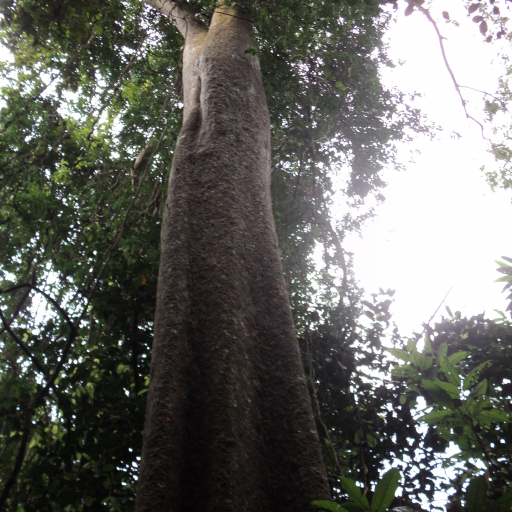
Plant Overview
Known to many as a "Wild Litchi" relative, Amesiodendron chinense is a hidden gem of the subtropical forests across Southern China and Vietnam. This stately evergreen tree is a distinguished member of the Soapberry family, sharing a royal lineage with the beloved Lychee and Rambutan. While it may not be a common household name, its dense, glossy canopy and unique woody fruits make it a standout in its native mountainous haunts.
🔍 How to Identify
- 🍃 Lush Foliage: The leaves are "even-pinnate," meaning they grow in pairs along a central stem with no single leaf at the tip, creating a very symmetrical and organized appearance.
- 🌸 Subtle Blooms: During flowering season, the tree produces delicate, greenish-white blossoms gathered in large clusters (panicles) that tuck themselves shyly among the leaves.
- 🌰 Woody Fruit: Unlike its soft-skinned cousins, its fruit is a hard, brownish-yellow woody capsule that eventually splits open to reveal dark seeds nestled in a thin, fleshy layer.
🌳 Habitat & Ecology
- 🌏 Subtropical Soul: This tree thrives in humid, frost-free environments. In the wild, it prefers the rich, well-draining soils of mountain slopes and valleys where the air stays moist and the sun is dappled.
- 🪵 Slow and Steady: It is a slow-growing hardwood species. Because of its deep, stubborn root system, it is highly resistant to wind, acting as a natural "anchor" in areas prone to heavy storms.
⚠️ Safety & Toxicity
- ✅ General Safety: Amesiodendron chinense is generally considered non-toxic to touch. You can safely handle the leaves and bark without fear of irritation.
- 🐾 Ingestion Caution: While the seeds are sometimes processed for oil in specific cultures, they should never be eaten raw. Like many members of the Soapberry family, the plant contains saponins, which can cause digestive upset in humans and pets if swallowed.
✨ Fun Fact
Despite being a close relative of the juicy, snackable Lychee, this tree is actually prized more for its "iron-like" wood than its fruit. The timber is so dense and durable that it has historically been used in maritime construction and for crafting high-end, heavy-duty furniture!

Detailed Care Instructions

Place in a bright room that is sun drenched almost all day. Or directly in a south-facing window.

When the top few inches of soil dry out, water your plants. If the top few inches of soil are still moist, do not water your plant. Wait a few days, then poke your finger into the soil to see if anything has changed. Overwatering poses a disease risk, such as the development of fungal diseases in the roots. These plants have adaptations in there leaves that allow them to survive in low water supply.








