Plant Overview
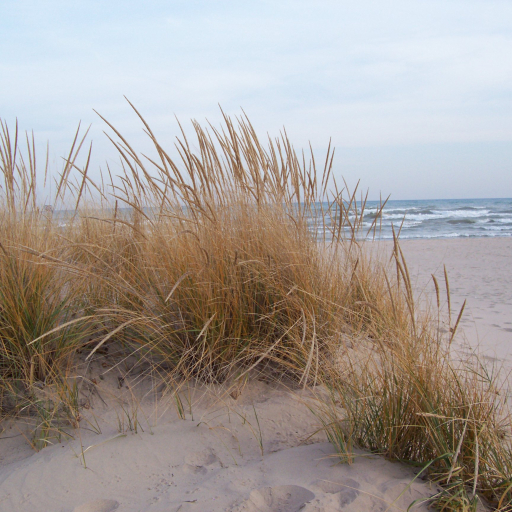
Often called the "Dune Builder" or American Marram Grass, this resilient pioneer is the unsung hero of the North American coastline. Found clinging to the shores of the Atlantic and the Great Lakes, it acts as a living anchor, holding entire ecosystems in place against relentless wind and waves. It is a true "extremophile," thriving in conditions that would wither most other greenery.
🔍 How to Identify
- 🌾 The Leaves: Long, stiff, grayish-green blades that can reach up to 3 feet in height. They have a clever survival trick: the blades roll inward during hot, dry weather to trap moisture inside.
- 🥖 The Seed Head: It produces a dense, spike-like cluster of flowers (panicle) that resembles a fuzzy wheat stalk, typically appearing in late summer and turning a golden straw color in autumn.
- 🕸️ Underground Network: While hidden from view, its most defining feature is a massive network of horizontal rhizomes (underground stems) that create a sturdy, woven mat beneath the sand.
🏡 In Your Garden
- 🌊 Coastal Specialist: This isn't a plant for a traditional inland flower bed. It craves the "chaos" of the coast and actually grows more vigorously when it is partially buried by blowing sand, which stimulates its roots to push higher.
- 🏜️ Low-Maintenance Needs: It hates "rich" life. If you are using it for erosion control, avoid fertilizers and heavy watering. It thrives in nutrient-poor, well-draining sand and relies on salt spray and wind to keep competing plants away.
⚠️ Safety & Toxicity
- ✅ Non-Toxic: This grass is generally considered safe and non-toxic for humans, dogs, and cats.
- 🔪 Sharp Edges: The main "danger" is physical. The blades are quite rigid and the edges can be sharp enough to cause minor skin irritations or "grass cuts" if you run through a patch with bare legs.
✨ Fun Fact
American Beachgrass is a natural engineer! It can emerge through as much as a foot of newly deposited sand in a single season. It uses the weight of the sand as a biological signal to grow faster, effectively "climbing" the dune to stay above the surface.

Detailed Care Instructions
| Humidity | Dry |
| Lighting | Full Sun |
| Difficulty | Easy |
| Hibernation | Cold Period |
| Hardiness Zones | 3 - 8 |
To grow Ammophila Breviligulata, also known as American beachgrass, you can follow these steps:
- Choose the right location: American beachgrass is native to coastal areas and thrives in sandy, well-draining soil. It needs full sun exposure, so select a spot that receives at least 6 to 8 hours of direct sunlight.
- Prepare the soil: Since beachgrass prefers sandy soil, make sure the soil is well-draining by adding sand or compost to improve its texture. Beachgrass grows best in slightly acidic soil with a pH level between 5.5 and 7.
- Planting: The ideal time to plant beachgrass is during the spring or early fall. Start by digging a hole or a trench about 6 inches deep and 6 inches wide. Space the holes or trenches about 6-12 inches apart, depending on the density you desire. Place the beachgrass plugs in the holes or trenches, ensuring that the crown—the part where the stems meet the roots—is level with the soil surface.
- Watering: Water the newly planted grass thoroughly after planting and ensure the soil stays slightly moist during the establishment period. However, do not overwater to avoid waterlogged conditions.
- Mulch: Applying a layer of organic mulch around the planted beachgrass can help conserve moisture, suppress weed growth, and protect the young plants. Use materials such as straw or wood chips, but ensure they do not cover the crowns or smother the grass.
- Maintenance: American beachgrass is a low-maintenance plant. Water your beachgrass when the soil feels dry and fertilize it annually in the spring with a balanced, slow-release fertilizer. Avoid applying excessive amounts of fertilizer, as it may harm the plants.
- Protection and growth: Protect your beachgrass from foot traffic and other disturbances during the establishment phase. Additionally, beachgrass has an extensive root system that helps stabilize dunes and prevent soil erosion, so allowing it to grow undisturbed will promote healthy plant development.
Remember that Ammophila Breviligulata is commonly found in coastal regions and may have specific regulations or guidelines for planting in certain areas. Check with your local authorities before planting to ensure compliance with any coastal management plans or conservation efforts.

Place in a bright room that is sun drenched almost all day. Or directly in a south-facing window.
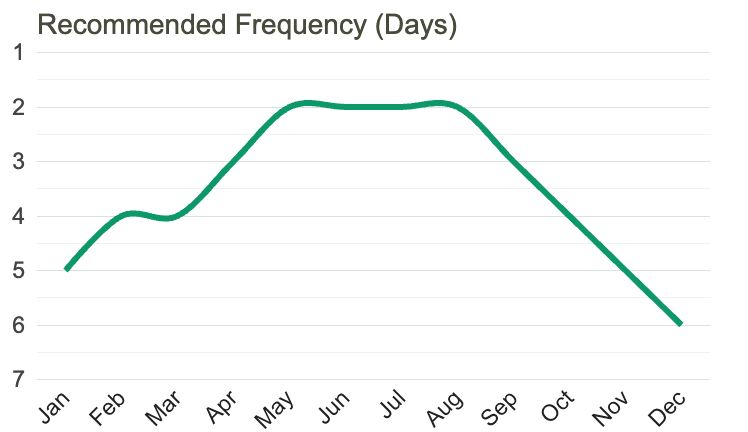
To water this plant, you should first check the soil to make sure it is dry to a depth of at least 1 inch before watering. When watering, water deeply and slowly to ensure the water reaches the roots. Avoid getting water on the leaves, as this can encourage disease. Watering frequency will depend on the temperature, humidity, and amount of sunlight the plant receives. It is important not to overwater, as this can lead to root rot. During periods of drought or high heat, the plant may require more frequent watering to survive.
For best results, fertilize this plant with a slow-release, low-nitrogen fertilizer in the spring before new growth emerges. Use a balanced fertilizer, such as 10-10-10, and follow the instructions on the package for application rates. Do not over-fertilize, as this can lead to excessive growth at the expense of root development. Water the plant thoroughly after fertilizing.
Ammophila Breviligulata is a plant that prefers well-draining soil that is sandy and low in nutrients. It is best if the soil is slightly acidic with a pH of around 6.0-6.5. The plant does not do well in compacted soils, so it is important to ensure that the soil is loose and aerated. Additionally, it is recommended to add organic matter such as compost or leaf litter to improve soil quality and retain moisture. It is important to avoid using soils that are heavy in clay or have a high concentration of organic matter, as these soils can retain too much moisture and lead to root rot. Overall, a well-draining, sandy soil with moderate nutrient levels and a slightly acidic pH is ideal for Ammophila Breviligulata.
One way to propagate this plant is by taking stem cuttings during the summer months. Select a healthy stem and use a sharp, clean knife or scissors to cut a piece that is about 4-6 inches in length. Remove the lower leaves from the stem, leaving only a few at the top. Dip the cut end into rooting hormone powder, if desired. Then, plant the stem cutting into a well-draining soil mixture and keep it moist. Place the container in a location with bright, indirect light and maintain a warm and humid environment. After a few weeks, the cutting should start to develop roots and new growth.








