Plant Overview
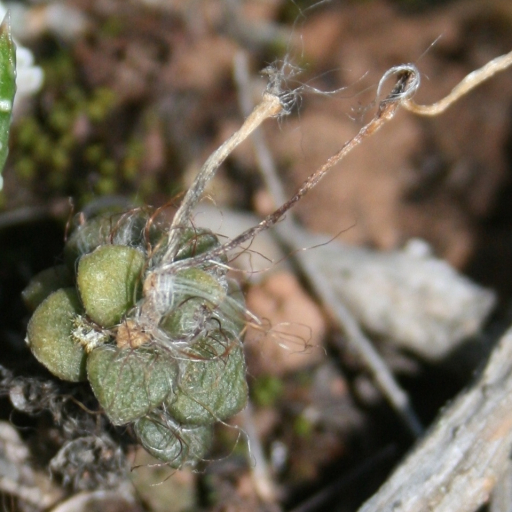
Often called the "Love Plant" or "South African Stone Rose," Anacampseros retusa is a tiny, slow-growing succulent that looks like a cluster of dark green gems dusted with spiderwebs. Native to the rocky terrains of the Little Karoo in South Africa, it is a master of camouflage, blending perfectly with the quartz pebbles of its homeland. It is a favorite among "desktop gardeners" because of its sculptural rosettes and its habit of staying small and manageable for years.
🔍 How to Identify
- 🍃 The "Retuse" Tip: The leaves are thick, fleshy, and wedge-shaped. The name "retusa" refers to the blunt, slightly notched or flattened tips of the leaves, giving them a geometric, architectural look.
- 🧶 Axillary Hairs: One of its most charming features is the presence of fine, white, hair-like bristles that grow between the leaves. These aren't spiderwebs; they help the plant trap dew and provide a tiny bit of shade to the stem.
- 🌸 Afternoon Blooms: It produces delicate, star-shaped flowers in shades of pink or purple. These blooms are notoriously shy—they usually only open for a few hours in the late afternoon on sunny days.
🏡 In Your Garden
- 🏜️ The "Tuber" Secret: Beneath the soil, this plant develops a thick, woody root system called a caudex. Because it stores so much water underground, it is incredibly drought-tolerant but will rot instantly if left in standing water or heavy, peat-based soil.
- ☀️ Color Shifting: The plant’s color is a direct reflection of its environment. In lower light, it stays a deep forest green. When given plenty of bright, indirect sun, the leaves can take on a beautiful reddish-bronze or deep purple hue as a natural "sunscreen."
⚠️ Safety & Toxicity
- ✅ Non-Toxic: Anacampseros retusa is generally considered non-toxic to cats, dogs, and humans. It is a safe choice for households with curious pets.
- 🌵 Physical Irritation: While not poisonous, the plant is small and delicate. If ingested in large quantities, the fibrous leaves might cause mild stomach upset, and its small size makes it a potential choking hazard for toddlers.
✨ Fun Fact
The genus name Anacampseros is derived from ancient Greek words meaning "to bring back love." In some folk traditions, the plant was believed to function as a powerful love charm, capable of restoring lost affection between partners.

Detailed Care Instructions
| Humidity | Dry |
| Lighting | Full Sun |
| Difficulty | Medium |
| Hibernation | Cold Period |
| Hardiness Zones | 9 - 11 |
Anacampseros retusa, also known as the sand rose, is a succulent plant native to South Africa. Here are some tips for growing and caring for this plant:
- Light: Anacampseros retusa thrives in bright, indirect sunlight. Place it near a south or east-facing window, where it can receive bright light for several hours a day.
- Temperature: Ideally, maintain a temperature range of 65-85°F (18-29°C). Protect the plant from extreme cold or hot temperatures.
- Watering: Water the plant deeply but infrequently. Allow the soil to dry out completely between waterings, as overwatering can lead to root rot. Succulents prefer a "soak and dry" method rather than light, frequent watering.
- Soil: Use a well-draining soil mix specifically designed for succulents or cacti. You can also mix regular potting soil with sand or perlite for improved drainage.
- Fertilizer: Apply a balanced, water-soluble fertilizer diluted to half strength once a month during the growing season (spring and summer). Avoid fertilizing during the dormant winter period.
- Propagation: Anacampseros retusa can be propagated through stem or leaf cuttings. Allow the cuttings to dry out for a few days before placing them in well-draining soil. Keep the soil slightly moist until roots develop.
- Dormancy: During the winter, this plant goes into a period of dormancy, where it requires less water and sunlight. Reduce watering and place it in a cooler location (around 50-60°F or 10-15°C) to facilitate dormancy.
- Pests and diseases: Watch out for common succulent pests like mealybugs and spider mites. Treat infestations immediately with insecticidal soap or neem oil. Make sure the plant is not sitting in wet soil, as this can invite rot.
- Pruning: It is generally not necessary to prune Anacampseros retusa. However, you can remove any dead or wilted leaves to maintain the plant's appearance.
By following these guidelines, you can successfully grow and care for Anacampseros retusa. Remember to observe and adjust your care routine based on the specific needs of your plant.

Place in a bright room that is sun drenched almost all day. Or directly in a south-facing window.

To water this plant, you should first check the soil moisture level by inserting your finger about an inch into the soil. If it feels dry, give the plant a thorough watering, making sure water reaches all areas of the soil without oversaturating it. Allow excess water to drain out of the bottom of the container and empty the drainage tray to prevent standing water. Water this plant sparingly during the winter months, allowing the soil to dry out almost completely between waterings. Avoid getting water on the leaves or stem to prevent rot and disease.
To fertilize this plant, you can use a balanced liquid fertilizer diluted to half strength. Apply the fertilizer during the growing season, which is typically from spring to fall, and make sure to water thoroughly after fertilizing. Avoid fertilizing during the winter months when the plant is dormant.
An ideal soil for Anacampseros Retusa plant is a well-draining, sandy mixture with some organic matter. It should have a pH level of around 6.0 to 7.0. The soil should also have good aeration to ensure healthy root growth. A mix of coarse sand, perlite, and peat moss can be a good option for this plant. It is important to avoid using soil that is heavy with clay or holds onto moisture for too long, as this can lead to root rot. Additionally, the soil should be kept slightly moist but not waterlogged to promote healthy growth.
To propagate this plant, you will need to have a healthy mature plant to take cuttings from. It is best to take cuttings in the spring or summer when the plant is actively growing.
- Prepare a clean, sharp pair of scissors or pruning shears.
- Choose a healthy stem or leaf to take a cutting from. Make a clean cut just above a leaf node or on a stem with several leaves attached.
- Allow the cuttings to dry for a few days until the cut end has calloused over. This will help prevent rot when they are planted.
- Once the cuttings are calloused over, fill a small pot with well-draining soil mix. Wet the soil slightly so it is damp but not waterlogged.
- Insert the cuttings into the soil and gently pack the soil around them. Keep the soil moist but not waterlogged.
- Place the pot in a bright, warm location but out of direct sunlight.
- After a few weeks, new growth should appear from the cuttings. Once the cuttings have established roots, they can be transplanted into their own individual pots.
- Continue to care for the new plants as you would a mature Anacampseros Retusa plant.
Note: Make sure to sanitize your scissors or pruning shears before taking cuttings to prevent the spread of disease.








