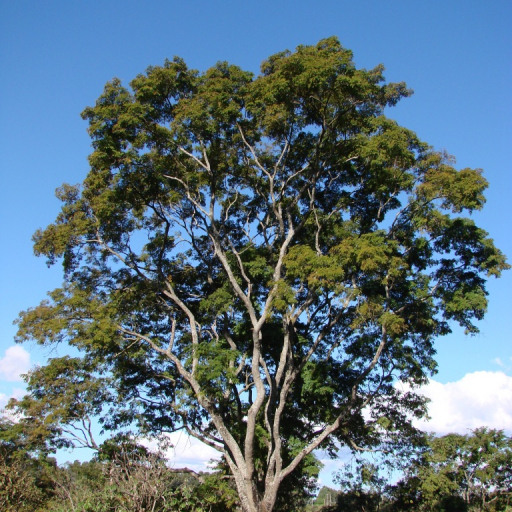
Plant Overview
Known as "Vilca" or the "Cebil tree," Anadenanthera colubrina is a majestic South American treasure steeped in thousands of years of shamanic history. Its name, colubrina, refers to its unique, snake-like bark, hinting at the powerful symbolic transformations it represents in Andean folklore. While it looks like a delicate fern-like tree, it is a resilient survivor of the tropical savannas and high mountain slopes.
🔍 How to Identify
- 🐍 Reptilian Bark: The trunk is dark and grayish-brown, often covered in thick, conical "thorns" or bumpy warts that give it the appearance of dragon or snake skin.
- 🌿 Feathery Foliage: It features elegant, bipinnate leaves that are finely divided, resembling a Mimosa or an Acacia tree, which provide a light, dappled shade.
- ⚪ Puffball Blooms: In late spring, the tree produces small, spherical, creamy-white or pale yellow flowers that look like tiny pom-poms scattered among the branches.
🏡 In Your Garden
- ☀️ Sun Seeker: This tree is a sun-worshiper and requires a bright, open spot to thrive. It is highly drought-tolerant once established, making it a great candidate for xeriscaping in warmer climates.
- 🪴 Frost Sensitivity: While the adult tree is hardy, young saplings are very tender. If you live in a region with cold winters, keep your Vilca in a large container so it can be moved to a protected, frost-free area during the colder months.
⚠️ Safety & Toxicity
- 🚫 Status: Highly Toxic and Psychoactive.
- 🐾 Details: The seeds and bark contain potent alkaloids that are dangerous if ingested by humans, cats, or dogs. Ingestion can lead to severe neurological distress, vomiting, or heart palpitations. It should be planted strictly as an ornamental specimen out of reach of children and pets.
✨ Fun Fact
Archaeologists discovered Anadenanthera seeds in an Argentine cave alongside smoking pipes dating back over 4,000 years, making it one of the oldest known ritual plants used in human history!

Detailed Care Instructions
To grow Anadenanthera colubrina plant, also known as Cebil or Vilca, you can follow these steps:
- Source seeds or plants: Anadenanthera colubrina can be grown from seeds or saplings. You can try to find reliable seed suppliers or purchase young plants from a local nursery specializing in exotic plants.
- Determine the suitable climate: Anadenanthera colubrina is native to certain regions of South America, such as the Amazon rainforest. It thrives in a tropical or subtropical climate with temperatures ranging from 60°F to 90°F (15°C to 32°C).
- Select a planting location: Choose a sunny spot for planting, preferably with well-draining soil. If you live in a colder area, consider growing it indoors as a potted plant.
- Prepare the soil: Anadenanthera colubrina prefers slightly acidic soil with adequate drainage. You can amend the soil with organic matter, such as compost or peat moss, to improve its structure.
- Plant the seeds or sapling: If you have seeds, scarify them by gently rubbing them on sandpaper to hasten germination. Plant the seeds around 1 inch deep in the soil, or if using a sapling, dig a hole slightly larger than the root ball and place the sapling, ensuring the top of the root ball is level with the soil surface.
- Watering: Keep the soil consistently moist but not waterlogged. Water the plant deeply whenever the top inch of the soil becomes dry. Anadenanthera colubrina plants appreciate regular watering, especially during hot, dry spells.
- Fertilization: Apply a balanced, slow-release fertilizer according to the manufacturer's instructions, or use compost or organic fertilizers during the growing season to promote healthy growth.
- Pruning and training: As the plant grows, you may need to prune to shape it or remove any dead or damaged branches. If you wish to promote a certain shape, prune accordingly.
- Protection from frost: If you live in an area susceptible to frost, it's crucial to protect your Anadenanthera colubrina plant from freezing temperatures. Consider covering it with a frost blanket or bringing it indoors during the colder months.
- Pest and disease control: Monitor your plant regularly for any signs of pests or diseases, such as aphids or fungal infections. Treat infestations with appropriate insecticides or fungicides, following the instructions carefully.
Remember to research specific care requirements for Anadenanthera colubrina, as environmental conditions may vary depending on the region.
To properly water this plant, it is important to take note of the type of soil it is planted in. This plant requires well-draining soil with good water retention capabilities. Before watering, check the soil to ensure it is dry to a depth of at least 1-2 inches. When watering, do so deeply and thoroughly to ensure the water penetrates the soil and reaches the roots, but avoid overwatering to prevent root rot. It is recommended to water the plant in the morning or early evening to avoid evaporation during the heat of the day. Additionally, it is important to avoid getting water on the leaves as this can lead to fungal growth.
- Begin by ensuring that the plant is healthy and has established roots before fertilizing.
- Choose a balanced fertilizer with equal parts of nitrogen, phosphorus, and potassium (N-P-K).
- Apply the fertilizer to the soil around the plant, avoiding getting any on the leaves or stem.
- Use a low concentration of the fertilizer, following the manufacturer's instructions carefully.
- Water the plant after applying the fertilizer to ensure that it is absorbed into the soil.
- Repeat this process once a month during the growing season.
- Always monitor the plant's response to the fertilizer and adjust the frequency or amount if necessary.
- Remember to apply fertilizer sparingly, as over-fertilization can harm the plant.
The ideal soil for the Anadenanthera Colubrina plant is well-draining and rich in nutrients. It should be a mixture of sand, loam, and organic matter such as compost or peat moss. The soil pH should range between 6.0 and 7.5. It is also recommended to add perlite to the soil mixture to promote drainage and prevent soil compaction. The plant prefers a soil that is slightly acidic and has good water retention capabilities. It is important to ensure the soil is not too compact as this can impede root growth. Additionally, it is important to keep the soil consistently moist, but not waterlogged, as the plant does not tolerate drought conditions.
To propagate this species, you will need to obtain seeds from a mature plant. After collecting the seeds, you can soak them in water for several hours to help soften the hard outer shell. Once the seeds have soaked, you can plant them in a suitable growing medium, such as a mix of peat moss and perlite.
Provide the seeds with ample moisture and warmth, ideally keeping the soil temperature at around 75 to 80 degrees Fahrenheit. It typically takes around one to three weeks for the seeds to germinate.
Once the seedlings have emerged, you can gradually acclimate them to more direct sunlight and increase watering as needed. It is important to provide adequate fertilization during this time to promote healthy growth.
After several months, you can transplant the seedlings into larger containers or outdoors into a suitable planting location. Be sure to provide the plants with adequate water, sunlight, and nutrients to encourage vigorous growth.








