Plant Overview
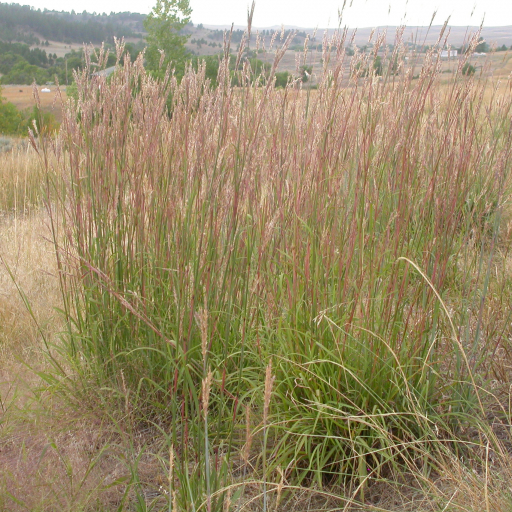
Commonly known as Big Bluestem or the "King of the Grasses," Andropogon gerardii is the iconic backbone of the American tallgrass prairie. In the 19th century, pioneers described vast seas of this grass so tall it could hide a man on horseback. Its famous nickname, "Turkeyfoot," comes from its distinctive three-pronged seed heads that look exactly like a bird’s footprint etched against the sky.
🔍 How to Identify
- 👣 The "Turkeyfoot" Spike: The most recognizable feature is the seed head, which usually branches into three spikes (sometimes more), resembling the foot of a wild turkey.
- 🎨 Color Transitions: During the summer, the stems are a beautiful dusty blue-green. As the first frost approaches, the entire plant shifts into a stunning palette of reddish-bronze, copper, and lavender.
- 📏 Stately Stature: This is a "clumping" grass that grows in upright columns, often reaching heights of 4 to 8 feet, making it a vertical focal point in any landscape.
🏡 In Your Garden
- ⚓ Deep-Rooted Stability: Big Bluestem is famously drought-tolerant because its roots can reach up to 10 feet underground. Because of this massive root system, it hates being moved once established—choose its "forever home" carefully!
- 🦋 A Wildlife High-Rise: This grass provides critical nesting material for birds and acts as a larval host for several species of skipper butterflies. In the winter, its sturdy stems remain standing, providing essential cover for small mammals and overwintering insects.
⚠️ Safety & Toxicity
- ✅ Non-Toxic: Andropogon gerardii is completely safe and non-toxic for cats, dogs, and horses.
- 🌾 Forage Friendly: In many regions, it is prized as high-quality forage for livestock. The only "risk" is to the plant itself, as it is so tasty that cattle will often overgraze it if not managed!
✨ Fun Fact
Big Bluestem’s underground "forest" of roots is so dense and deep that it actually helps sequester massive amounts of carbon from the atmosphere, making it a hero in the fight against climate change.

Detailed Care Instructions
To successfully grow Andropogon gerardii, also known as Big Bluestem, you should follow these steps:
- Choose the right location: Big Bluestem prefers full sun to thrive, so select a spot in your garden or landscape that receives at least 6-8 hours of direct sunlight each day. It can tolerate a range of soil types, but prefers well-draining soil.
- Prepare the soil: Before planting, prepare the soil by removing any weeds or grass and loosening it with a garden fork or tiller. Mix in compost or organic matter to improve the soil's fertility and drainage.
- Planting: Big Bluestem is usually grown from seed. You can sow the seeds directly into the prepared soil in early spring, or you can start them indoors 6-8 weeks before the last frost date and then transplant them outdoors. Plant the seeds 1/4 inch deep and cover lightly with soil.
- Watering: Keep the soil consistently moist but not waterlogged until the seeds germinate, which usually takes around 2-3 weeks. Once established, Big Bluestem is drought tolerant and only needs supplemental watering during extended dry periods.
- Maintenance: Once the plants have reached a height of 4-6 inches, thin them to about 12-24 inches apart to allow for proper growth and airflow. Remove any weeds that compete with the young plants for nutrients and water.
- Fertilization: Big Bluestem plants usually don't require regular fertilization if the soil is healthy. However, for optimal growth, you can apply a slow-release organic fertilizer in early spring.
- Pruning: In late winter or early spring, cut back the old growth to about 4 inches above the ground to make room for new growth. This helps maintain the plant's vigor and appearance.
- Pest and disease control: Big Bluestem is relatively resistant to pests and diseases. However, keep an eye out for common garden pests such as aphids or grasshoppers, and take appropriate measures if needed, such as using organic insecticides or applying companion plants that repel pests.
- Winter care: Big Bluestem is a hardy plant and can survive winter temperatures. In late fall, leave the seed heads intact to provide food for birds and wildlife. The dry foliage can also add winter interest to your landscape.

Place in a bright room that is sun drenched almost all day. Or directly in a south-facing window.
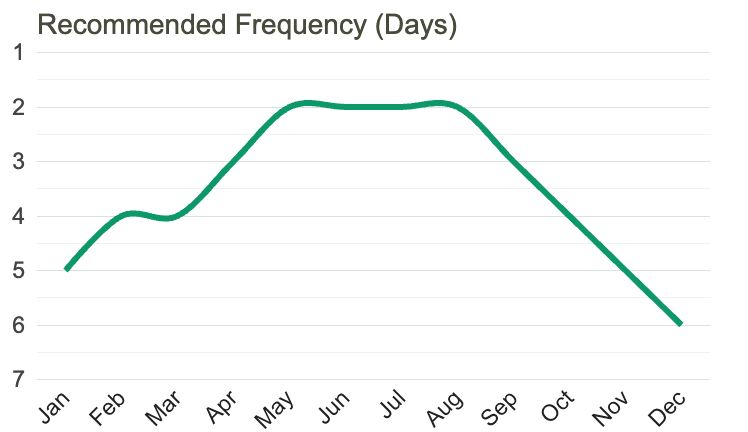
When watering this particular plant, it is important to consider its specific needs and growing conditions. The plant should be given enough water to keep the soil consistently moist, but not waterlogged. To achieve this, watering should be done slowly and deeply, allowing the water to soak down into the soil rather than simply wetting the surface.
It is important to take care not to overwater the plant, as this can lead to root rot and other issues. To determine when to water, it is helpful to monitor the soil moisture level and only water when the top inch of soil feels dry to the touch.
Additionally, it is important to consider the plant's location when watering. If it is growing in full sun or in a hot, dry climate, it may require more frequent watering than if it is growing in a cooler, shadier location.
Overall, attentive and careful watering is essential for the health and vitality of this plant, ensuring that it receives the moisture it needs without becoming overwhelmed or stressed.
To effectively fertilize the Andropogon Gerardii plant, which is a perennial grass commonly found in tallgrass prairies, follow the instructions below:
- Timing: Apply fertilizer in the early spring before new growth emerges or in late fall after the plant goes dormant.
- Soil testing: Conduct a soil test to determine the nutrient levels and pH of the soil. This will guide you on the appropriate type and amount of fertilizer needed.
- Nitrogen-rich fertilizer: Select a slow-release fertilizer with a higher nitrogen (N) content relative to other nutrients. This will promote healthy foliage growth and vibrant green color.
- Application rates: Follow the instructions on the fertilizer package, applying the recommended amount based on the size and age of the plant.
- Spacing and distribution: Spread the fertilizer evenly around the base of the plant, ensuring it covers the entire root zone. Avoid direct contact with the foliage to prevent burning.
- Watering: After applying the fertilizer, water the plant thoroughly to help the nutrients penetrate the soil and reach the roots.
- Mulching: Consider applying a layer of organic mulch around the base of the plant, leaving a gap between the mulch and the stem. This will help retain soil moisture, suppress weeds, and gradually release nutrients into the soil.
- Repeat applications: Repeat the fertilization process annually or as per the soil test recommendations to maintain the plant's health and vigor.
It is important to note that these instructions are general guidelines, and specific fertility requirements may vary depending on the individual soil conditions, climate, and location.
The ideal soil for this plant is a well-draining, sandy loam soil with a pH level between 5.5 to 7.5. It prefers soil that is rich in organic matter, with good moisture retention capability. It is important to avoid heavy clay soils or soils that are constantly boggy or water-logged, as this can hinder root development and growth. Adding a layer of organic matter such as compost or peat moss to the soil prior to planting can help improve soil quality and promote healthy growth. Additionally, incorporating a slow-release fertilizer into the soil can provide the necessary nutrients for optimal growth and development.
Propagation of Andropogon Gerardii plant can be achieved through various techniques such as division, seed propagation, and tissue culture.
- Division: This method involves dividing a mature Andropogon Gerardii plant into smaller sections. Here's how to do it:
a. Dig out the plant from the ground, ensuring to preserve the root system.
b. Gently separate the plant into smaller sections, making sure that each section has healthy roots and shoots.
c. Replant the divided sections in desired locations, ensuring adequate spacing between each plant.
d. Water the newly divided plants regularly and provide suitable growing conditions to aid in their establishment.
- Seed Propagation: Another way to propagate Andropogon Gerardii is through seeds. Here are the steps involved:
a. Collect mature seeds from a healthy Andropogon Gerardii plant once they have turned brown and fully ripened.
b. Clean the seeds by removing any debris or chaff.
c. Treat the seeds with a seed germination enhancer or stratify them by storing them in a moist, cool environment for a specific period. This will help break seed dormancy and improve germination rates.
d. Sow the treated or stratified seeds in well-draining soil or seed-starting trays.
e. Cover the seeds lightly with soil or vermiculite, ensuring they remain adequately moist but not overly wet.
f. Place the seed trays in a warm and well-lit area, such as a greenhouse or a sunny windowsill.
g. Water the seeds regularly and provide sufficient warmth and light to promote germination.
h. Once the seedlings have developed a few sets of leaves, they can be transplanted into individual pots or directly into the ground.
- Tissue Culture: This advanced technique involves using small tissue samples from an Andropogon Gerardii plant and propagating them in a controlled laboratory environment. It requires specialized skills and equipment and is commonly used for mass propagation of plants.
a. Sterilize the tissue samples obtained from the plant to eliminate any contaminants.
b. Place the sterilized tissue in a culture medium containing a mixture of nutrients, plant hormones, and agar.
c. Incubate the tissue in a controlled environment, providing the necessary light and temperature conditions for growth.
d. Over time, the tissue samples will form callus or shoots.
e. Transfer the callus or shoots to a new culture medium to continue their growth and development.
f. Once the shoots have developed roots and grown into complete plantlets, they can be transferred to pots or the ground for further growth and establishment.
Remember, each propagation method has its own advantages and challenges. It is essential to choose the most suitable method based on your resources, skills, and specific requirements.








