Plant Overview
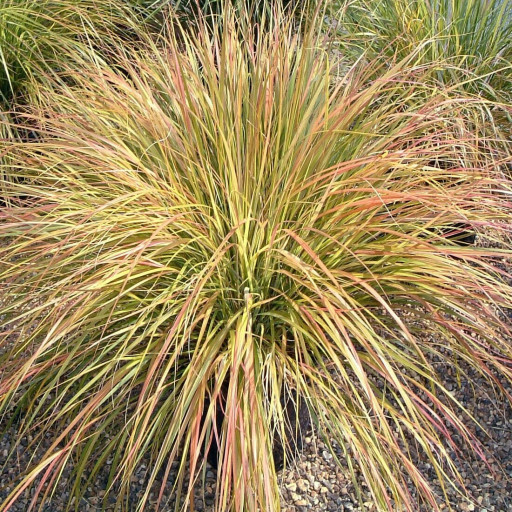
Often called "Pheasant's Tail Grass" for its streaked, multi-colored blades, Anemanthele lessoniana is a New Zealand native that brings a sense of wild, untamed motion to any landscape. Unlike many grasses that stay a static green, this species acts like a living mood ring, shifting through shades of copper, gold, and blood-orange as the seasons turn. It is a favorite among garden designers for the way it "shimmers" and dances when caught in a light breeze.
🔍 How to Identify
- 🌿 Growth Habit: It forms a dense, fountain-like clump of slender, arching leaves that typically reach about 3 feet in height and width.
- 🎨 Color Palette: The foliage starts as a vibrant olive green but develops dramatic streaks of bronze, orange, and fiery red, especially when exposed to direct sun or cold temperatures.
- 🌾 Floral Panicles: In late summer, it produces airy, weeping flower heads that look like a delicate purple-brown mist floating gracefully above the foliage.
🏡 In Your Garden
- ☀️ The Sun Factor: While it can tolerate partial shade, the "fire" in its leaves is fueled by sunlight. The more sun it receives, the more intense the copper and orange hues will become.
- 💧 Winter Drainage: This grass is remarkably hardy but has one "Achilles' heel"—it hates having "wet feet." In heavy clay or soggy winter soil, the roots are prone to rot, so ensure it is planted in a well-draining spot or a raised bed.
- ✂️ Low Maintenance: Unlike deciduous grasses that need to be chopped to the ground, this is an evergreen. Simply "comb" through the plant with gloved hands in spring to remove dead blades and keep it looking fresh.
⚠️ Safety & Toxicity
- 🐾 Pet Friendly: Good news for animal lovers! This grass is considered non-toxic to cats, dogs, and horses, making it a safe addition to a pet-accessible yard.
- 👶 Skin Safety: While not poisonous, the leaf edges can be slightly sharp. It’s best to plant it slightly back from narrow pathways to avoid "paper cuts" on passing legs or curious hands.
✨ Fun Fact
Although it is a superstar in modern landscaping worldwide, Anemanthele lessoniana is a "monotypic" genus—meaning it is the only species of its kind in the entire world. In its native New Zealand, it is actually considered a rare and "At Risk" species in the wild!

Detailed Care Instructions
To grow Anemanthele lessoniana, also known as Pheasant's Tail Grass, you can follow these steps:
- Choose a suitable location: Select a spot in your garden that receives full sun to partial shade. This grass prefers a warmer climate but can tolerate light shade.
- Prepare the soil: Anemanthele lessoniana can thrive in various soil types, but it prefers well-draining soil. Add organic matter like compost to improve drainage and fertility if needed.
- Sow seeds or plant divisions: There are two common ways to propagate Anemanthele lessoniana. You can either sow seeds directly into the prepared soil in early spring or divide an existing plant. Divisions can be done in spring or early fall when the plant is dormant.
- Sowing seeds: If sowing seeds, scatter them over the prepared soil and lightly cover with a thin layer of soil or compost. Water gently to maintain moisture, but avoid overwatering, as excessive moisture can lead to rotting.
- Planting divisions: If using divisions, dig up an established clump and carefully separate it into smaller sections with roots attached. Replant these divisions immediately in the prepared soil, making sure they are at the same depth as they were previously.
- Watering: Keep the newly planted grass well-watered until it is established. Water deeply and regularly, ensuring the soil remains evenly moist but not waterlogged. Once established, Anemanthele lessoniana is relatively drought tolerant and requires less frequent watering.
- Fertilizing: Anemanthele lessoniana generally does not require heavy fertilization. However, application of a balanced, slow-release fertilizer once a year in early spring can help promote its healthy growth.
- Pruning: This grass species is generally low-maintenance and does not require much pruning. However, removing any dead or damaged leaves can help keep the plant looking tidy.
- Mulching: Apply a layer of organic mulch around the plant to help conserve moisture, suppress weeds, and insulate the roots. Avoid layering the mulch too thickly against the base of the plant to prevent potential rotting.
- Protection: In colder climates, Anemanthele lessoniana may benefit from protection during winter months. Consider covering the plant with a layer of straw or burlap to shield it from extreme cold.
By following these tips, you can successfully grow and enjoy the beauty of Anemanthele lessoniana in your garden.

Place in a window with dappled sun or a spot in the middle of a room. Or directly in a window facing west or east.

To water this plant, regularly check the soil moisture by touching the top layer of the soil with your finger. If the soil feels dry to the touch, it is time to water the plant. Use a watering can or hose to gently water the soil at the base of the plant until it is moist but not saturated. Avoid getting water on the leaves or stem of the plant as this can lead to fungal growth or rot. Water the plant deeply once a week during the growing season and reduce watering frequency during the winter months. Adjust watering frequency based on the temperature, humidity, and light conditions of your growing location.
To fertilize this plant, use a balanced fertilizer with equal parts nitrogen, phosphorus, and potassium. Apply the fertilizer in the early spring before new growth starts. Water the plant thoroughly before applying the fertilizer and follow the dosage instructions provided. Do not over-fertilize as it can damage the plant.
The most suitable type of soil for this plant is a well-draining, slightly acidic soil that is rich in organic matter. It should be able to hold some moisture, but not become waterlogged. The ideal pH range is between 5.5 and 6.5. It is important to avoid using heavy clay soils or sandy soils that do not hold enough moisture or nutrients. Adding compost or other organic matter to the soil before planting will improve soil structure and fertility. Additionally, the plant should be fertilized regularly with a balanced, slow-release fertilizer to maintain healthy growth.
To propagate this plant, you will need to take softwood or semi-hardwood cuttings in the spring or summer. Cut a stem that is about 6 inches long and remove the lower leaves, leaving only a few on the top. Dip the cut end into rooting hormone and plant it in a pot filled with moist potting soil. Cover the pot with a plastic bag to create a humid environment and place it in a bright spot out of direct sunlight. Keep the soil moist and check for roots in about 4-6 weeks. Once the new plant has established roots, you can transplant it into a larger pot or directly into the garden.








