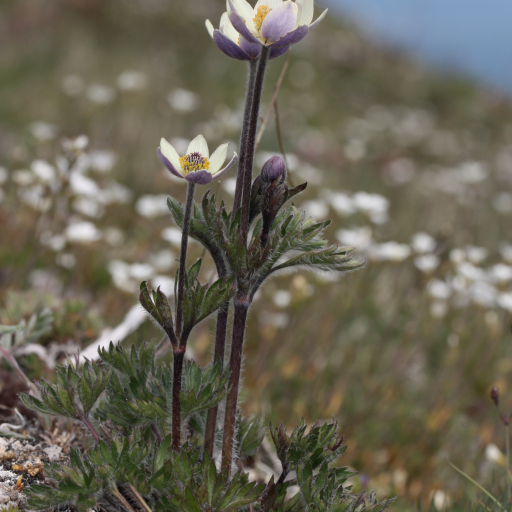
Plant Overview
Often called the Pacific Anemone or Cut-leaf Windflower, this rugged beauty is a true survivor of the Americas. While it looks like a delicate woodland fairy, it is actually a tough-as-nails perennial found everywhere from coastal cliffs to high mountain peaks. In folklore, Anemones are known as "Windflowers," named after the Greek word anemos, because it was believed that only the wind could coax their shy petals to open.
🔍 How to Identify
- 🌿 The Foliage: The leaves are deeply "multifid" (deeply divided), looking somewhat like oversized parsley or cilantro, often covered in soft, silky hairs that give them a silvery sheen.
- 🌸 The Blooms: Unlike flashy garden hybrids, these flowers have a simple, rustic charm. They feature 5 to 8 petal-like sepals in colors ranging from creamy white and buttery yellow to a deep, moody reddish-purple.
- ☁️ The Seed Heads: After the flowers fade, they develop into distinctive thimble-shaped heads that eventually explode into a white, woolly fluff, allowing the wind to carry the seeds away.
🏡 In Your Garden
- 🪨 The Rock Garden Hero: Because it naturally thrives on rocky slopes, this plant is perfect for "difficult" spots. It has a deep taproot that makes it very drought-tolerant once established, but this also means it hates being moved—pick its forever home carefully!
- 💧 Winter Drainage: The biggest threat to this plant isn't cold or heat; it’s soggy soil. In the winter, ensure it is in a gritty, well-draining spot to prevent the crown from rotting in the damp.
⚠️ Safety & Toxicity
- 🚫 Status: Toxic to humans and pets.
- 🧴 Skin Irritant: Like most members of the Buttercup family (Ranunculaceae), it contains protoanemonin. Handling the plant with bare hands can cause skin irritation or even blistering in sensitive individuals.
- 🐾 Pet Safety: If ingested by dogs, cats, or horses, it can cause salivation, vomiting, and digestive distress. It is best planted away from areas where curious pets might nibble.
✨ Fun Fact
The fluffy seed heads of the Anemone multifida were historically used by some Indigenous North American tribes as a soft padding for baby cradles and as a form of tinder to help start fires!

Detailed Care Instructions
Here are some steps you can follow to grow Anemone multifida, also known as the cut-leaf anemone:
- Choose a suitable location: Anemone multifida prefers partial shade to full sun, with well-draining soil. Select a spot in your garden or container that satisfies these conditions.
- Prepare the soil: Before planting, loosen the soil and amend it with organic matter, such as compost or well-rotted manure, to improve drainage and fertility.
- Sow seeds or plant rhizomes: Anemone multifida can be grown from seeds or rhizomes. If starting from seeds, sow them directly in the garden during spring or early autumn. If using rhizomes, plant them about 2-3 inches deep, with a spacing of about 8-12 inches between plants.
- Watering: Keep the soil evenly moist at all times. Water the plant regularly, especially during dry spells, but avoid overwatering to prevent root rot.
- Mulching: Apply a layer of organic mulch, such as shredded bark or straw, around the plant to help retain moisture and suppress weed growth.
- Fertilization: Anemone multifida doesn't require heavy fertilization. However, you can apply a balanced organic fertilizer once or twice a year to provide essential nutrients.
- Pruning: Regular deadheading of spent flowers will encourage prolonged blooming. In early spring or late fall, once the plant has gone dormant, you can cut back the foliage to ground level.
- Pests and diseases: Anemone multifida is generally resistant to pests and diseases. However, keep an eye out for slugs, snails, and powdery mildew. If necessary, employ appropriate pest control methods.
- Propagation: Anemone multifida can be propagated by division. Every 3-4 years, dig up the clumps, carefully separate the rhizomes, and then replant them in suitable locations.
By following these steps, you should be able to successfully grow Anemone multifida in your garden or container.

Place in a window with dappled sun or a spot in the middle of a room. Or directly in a window facing west or east.

To ensure the proper health and growth of the plant, it is important to water it regularly. The soil should be kept moist but not waterlogged, as excessive moisture can lead to root rot. It is best to water the plant thoroughly and allow the soil to dry slightly before the next watering. The amount of water required may vary depending on the climate and soil type, so it is important to monitor the plant and adjust the watering schedule accordingly. The plant may also benefit from occasional fertilization to promote healthy growth.
To fertilize the plant, use a balanced, water-soluble fertilizer that is low in nitrogen and high in phosphorus and potassium. Apply the fertilizer every two to four weeks during the growing season, following the package instructions for dosage and frequency. Water the plant well before applying the fertilizer, and avoid fertilizing during periods of drought or extreme heat. Monitor the plant for signs of over-fertilization, such as weak or leggy growth, yellowing leaves, or burnt tips.
Anemone Multifida plant prefers a well-draining soil, rich in organic matter, such as compost or well-rotted manure. The soil pH should be slightly acidic to neutral, preferably within the range of 5.5 to 7.0. It is also recommended to add a layer of mulch around the plants to keep the soil moist and cool. The plant is known to tolerate various soil types, including sandy, loamy, and clay soils, as long as they are not waterlogged or compacted.
To propagate Anemone Multifida plants, you can gather the plant's seeds from the seed heads at the end of the flowering season. You can sow the seeds in early spring in a prepared bed, covering them with a thin layer of soil. You should make sure to water the newly planted seeds regularly and keep the soil moist until the seeds germinate, which usually takes around 10-14 days.
Another method of propagating Anemone Multifida is by dividing the plant. You can do this in the early spring, dividing the plant into segments with a sharp knife or spade. You should ensure that each segment has a good part of the root system and some foliage attached to it.
After dividing the plant, you should plant each segment in a prepared bed with well-draining soil that has been enriched with compost. You should water the newly planted Anemone Multifida segments thoroughly and keep the soil moist until new growth appears. Once established, Anemone Multifida plants are hardy and low-maintenance and may bloom year after year.








