Plant Overview
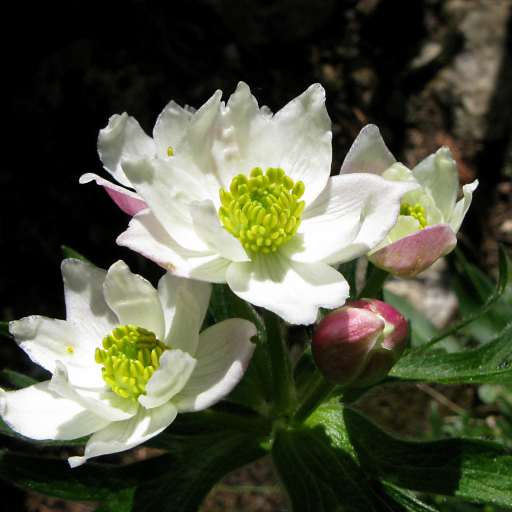
Often called the Narcissus-flowered Anemone, this alpine beauty looks like a delicate wild daffodil drifting through mountain meadows. Its Greek name, "Anemone," translates to "daughter of the wind," a nod to how its petals dance gracefully in the slightest breeze. It is a resilient survivor that thrives in cool, high-altitude climates across the Northern Hemisphere, from the Alps to the Rockies.
🔍 How to Identify
- 🌸 The Blooms: Small clusters of 3 to 8 white or creamy-yellow flowers per stem, each featuring a bright ring of yellow stamens at the center.
- 🌿 Leaf Texture: Deeply divided, palm-like green leaves that are often covered in fine, silky hairs to protect the plant against harsh mountain chills.
- 📏 Growth Habit: A compact, clump-forming perennial that typically stands between 8 to 20 inches tall, rising above other low-lying grasses.
🏡 In Your Garden
- ⛰️ Alpine Origins: Because it hails from high-altitude meadows, it craves cool nights and excellent drainage. It is a "rock garden" favorite but will struggle in humid, sweltering lowland heat.
- 💧 Moisture Balance: It enjoys "wet feet" but not "soggy boots." Keep the soil consistently moist during the spring growing season, but ensure the water never sits stagnant, as the roots are prone to rot.
⚠️ Safety & Toxicity
- 🚫 Status: Toxic to humans and pets.
- 🐾 The Risks: Like most members of the Buttercup family, it contains protoanemonin. If leaves or stems are eaten by pets or curious children, it can cause severe mouth irritation, vomiting, and digestive distress.
- 🧤 Skin Sensitivity: The sap can act as a skin irritant; it is best to wear gloves when dividing or pruning the plant to avoid a tingly or itchy rash.
✨ Fun Fact
Unlike many other flowers, Anemones don't actually have true petals! Those beautiful white "petals" you see are actually sepals—modified leaves that have evolved to look like petals to attract bees and butterflies while protecting the flower's reproductive parts.

Detailed Care Instructions
To grow Anemone narcissiflora, also known as narcissus-flowered anemone, you can follow these steps:
- Location: Choose a location that receives partial shade to full sun. Anemone narcissiflora prefers well-draining soil and can tolerate acidic to alkaline soil.
- Planting time: Plant the bulbs in autumn, preferably in September or October when the soil temperature has cooled down. This will allow the bulbs to establish roots before winter.
- Soil preparation: Prepare the soil by removing any weeds or grass and ensure it is well-draining. If the soil is heavy or clay-like, mix in some organic compost or well-rotted manure to improve drainage and nutrient content.
- Bulb planting: Dig a hole that is about three times the height of the bulb and place the bulb with the pointed end facing up. Space each bulb about 4-6 inches apart, and plant them at a depth of 2-3 inches. Cover the bulbs with soil and gently press it down.
- Watering: After planting, water the bulbs thoroughly to settle the soil and provide initial moisture. However, avoid overwatering as excessive moisture can lead to rot. During rainy periods, ensure that the soil does not become waterlogged.
- Mulching: Apply a layer of organic mulch, such as wood chips or straw, around the bulbs to conserve moisture and suppress weeds. However, keep the mulch a few inches away from the bulb to prevent it from rotting.
- Care and maintenance: Anemone narcissiflora does not require much care. Water the plants during extended dry periods, and ensure they receive at least 1 inch of water per week. Remove any weeds that may compete for nutrients or sunlight.
- After flowering: Anemone narcissiflora typically blooms in early spring. Once the flowers have withered, avoid cutting back the foliage. Allow the leaves to die back naturally, as they provide energy to the bulb for future growth.
- Division: Every few years, when the clumps become overcrowded, you can divide the bulbs in early autumn, after the foliage has died back. Dig up the clumps, separate the bulbs, and replant them in a new location or in the same area with some additional compost.
By following these steps, you can successfully grow Anemone narcissiflora plants and enjoy their beautiful, daisy-like flowers year after year.
To water this plant, it is important to first check the soil moisture level. Stick your finger about an inch into the soil and if it feels dry, it’s time to water. Use room temperature water and pour it gently onto the soil without getting the water on the leaves or stem of the plant. Allow the water to soak into the soil until it has drained through the bottom of the pot. Overwatering can be harmful to this plant, so it’s important not to let the pot sit in water. The frequency of watering will depend on factors such as the size of the pot, the humidity of the room, and the amount of light the plant receives. It’s important to monitor the soil moisture level regularly to ensure the plant is not over or under-watered.
To fertilize this plant, you will need to use a balanced fertilizer with equal parts nitrogen, phosphorus, and potassium. Apply the fertilizer at the base of the plant, taking care not to get any on the leaves or flowers. Do this in the early spring before the plant starts to grow, and then again in the fall after it has finished blooming. Be sure to water the plant thoroughly after fertilizing to help the nutrients reach the roots.
Anemone Narcissiflora plant prefers well-draining soil that is fertile and rich in organic matter. It is recommended to use a mix of equal parts of peat moss, perlite, and composted bark to create a lightweight and well-aerated soil mixture. The soil should have a pH level of 6.0 to 7.0, which is slightly acidic to neutral. The plant prefers moist but well-drained soil, so it is essential to avoid over-watering or allowing the soil to become waterlogged. Overall, a nutrient-rich, well-draining soil with a slightly acidic to neutral pH level is ideal for the Anemone Narcissiflora plant to thrive.
- Soil preparation: Start by preparing the soil. Choose a location that receives partial to full sunlight. Dig the soil up to 12 inches deep and remove any rocks and weeds. Loosen up the soil and add organic matter like compost or well-rotted manure.
- Division: Anemone Narcissiflora can easily be propagated by division. Simply dig up the plant clump and carefully pull apart the roots. Be sure to keep the roots intact. Small shoots will be attached to the roots, and each group should have at least 2-3 shoots. Replant divided plants immediately.
- Cuttings: Take stem cuttings from healthy Anemone Narcissiflora plants in late spring or early summer. Use clean, sharp scissors or a knife to cut 4-6 inches of stem at an angle. Remove the bottom leaves and dip the cut end of the stem in rooting hormone. Plant the cutting in well-draining soil and mist it regularly.
- Seeds: Collect mature seed pods from Anemone Narcissiflora plants in the fall. Harvest the pods and allow them to dry. Once dry, break open the pods and collect the seeds. Stratify the seeds by placing them in a plastic bag with a little moisture. Refrigerate the seeds for 6-8 weeks, then sow them in a flat or individual pots. Keep the soil moist and in a warm location until seedlings emerge.
- Transplantation: After propagation through division, cuttings, or seeds, the young plants must be transplanted to a permanent location. Choose a location that provides the same environmental conditions as the parent plant, and add organic matter to the soil before planting. Water the plants regularly until they establish themselves in their new location.








