Plant Overview
Known as the "Pickle Herb" or simply Dill, Anethum graveolens is far more than just a kitchen staple. This delicate, feathery annual hails from the Mediterranean and Western Asia, where it has been celebrated for millennia—used as a symbol of wealth in ancient Rome and a "soothing" herb in medieval folklore. Its airy, light-as-air appearance brings a whimsical, wildflower aesthetic to any sunny herb garden.
🔍 How to Identify
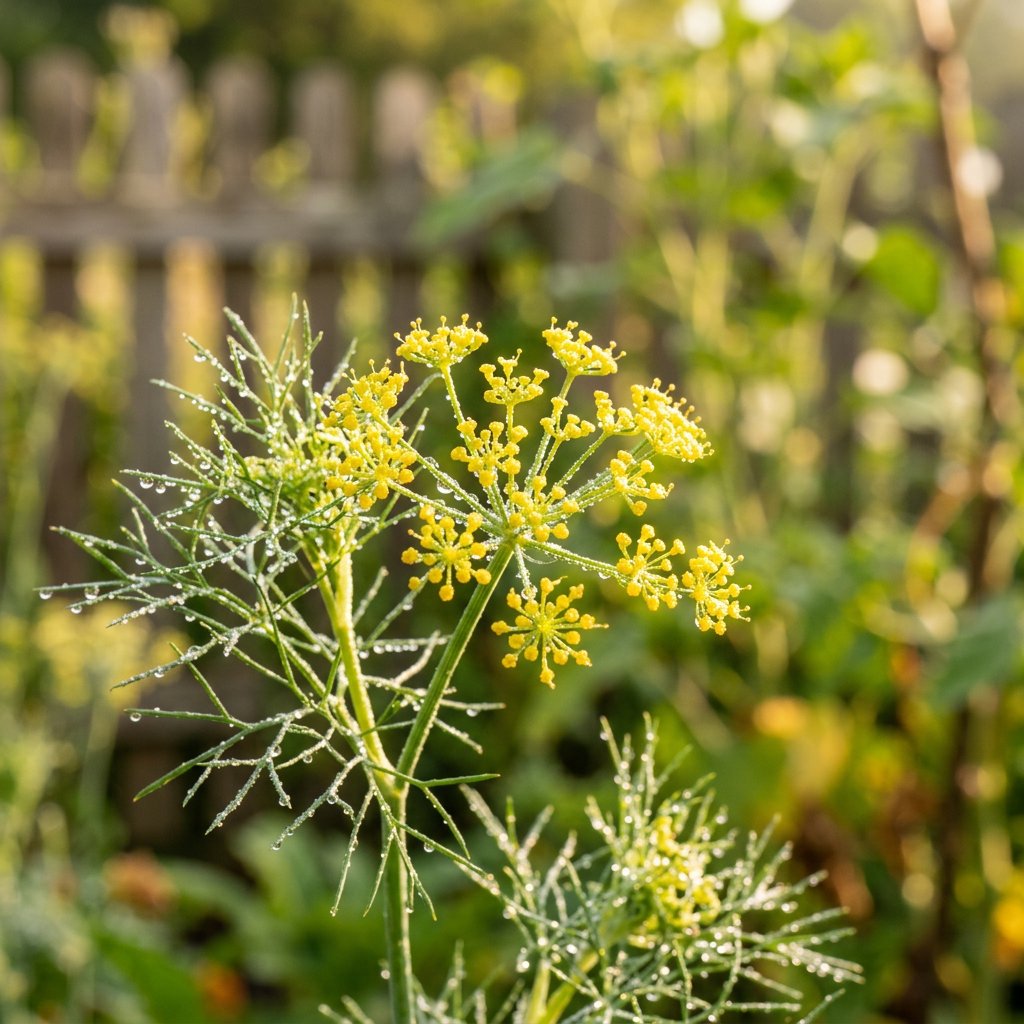
- 🌿 The Foliage: Wispy, thread-like leaves that are soft to the touch and highly aromatic, smelling of citrus and spice when crushed.
- 🌼 The Blooms: Massive, flat-topped clusters known as "umbels" made of tiny, vibrant yellow flowers that appear in mid-summer.
- 📏 The Structure: Tall, smooth, and hollow green stems that can reach up to three feet in height, giving the plant a spindly yet elegant silhouette.
🏡 In Your Garden
- 🌱 The Taproot Secret: Dill grows a long, central taproot very quickly, which means it absolutely hates being moved. To avoid transplant shock, sow the seeds directly into their final home rather than starting them in small pots.
- 🦋 The Butterfly Host: This plant is a favorite "nursery" for the Black Swallowtail butterfly. If you see bright green-and-black striped caterpillars munching on the leaves, consider it a compliment—you are hosting a vital pollinator!
- 🌬️ Wind Protection: Because the stems are hollow and the flower heads are top-heavy, Dill can easily topple over in a storm. Plant it in a sheltered corner or nestle it among sturdier plants like kale or peppers for natural support.
⚠️ Safety & Toxicity
- ✅ General Safety: Dill is non-toxic to humans, cats, and dogs. It is widely used in culinary dishes and is even found in some natural pet treats to help with digestion.
- ☀️ Sun Sensitivity: While rare, some people may experience mild skin irritation (dermatitis) if they get the plant's sap on their skin and then spend time in direct sunlight. It is always a good idea to wash your hands after a heavy harvest.
✨ Fun Fact
The common name "Dill" is believed to come from the Old Norse word dilla, which means "to lull." This refers to the plant’s ancient medicinal use as a tea to help soothe crying infants and assist adults struggling with insomnia.

Detailed Care Instructions
| Color | Yellow |
| Soil Ph | 5.8–6.5 |
| Humidity | Normal |
| Lighting | Full Sun |
| Toxicity | Non-Toxic |
| Soil Type | Rich, Well-Drained |
| Bloom Time | Late Summer, Early Fall |
| Difficulty | Hard |
| Plant Type | Annual |
| Mature Size | 3–5 Feet Tall |
| Native Area | Europe, Asia |
| Temperature | 15°C - 21°C |
| Sun Exposure | Full Sun |
| Hardiness Zones | 2-11 |
To grow Anethum Graveolens, also known as dill, follow these steps:
- Choose the ideal location: Anethum Graveolens requires a spot with full sun, meaning it should receive at least six to eight hours of direct sunlight each day.
- Prepare the soil: The soil should be well-draining and rich in organic matter. Add compost or aged manure to improve fertility and drainage.
- Sow the seeds: Dill is usually grown from seeds. Sow the seeds directly into the soil in spring after the last frost date for your region. Alternatively, you can start the seeds indoors 4-6 weeks before the last frost and transplant them outdoors once the weather is suitable. Plant the seeds about ¼ inch deep and space them 12-18 inches apart.
- Watering: Keep the soil evenly moist, but avoid overwatering, as dill prefers slightly drier conditions. Water the plants regularly, especially during dry spells.
- Fertilization: Dill doesn't require heavy fertilization, but you can apply a balanced organic fertilizer to the soil before planting. Additionally, side-dress the plants with compost or a light application of fertilizer halfway through the growing season.
- Thin the seedlings: Once the seedlings emerge and grow a few inches tall, thin them to provide enough space for healthy growth. Leave only the strongest seedling every 12-18 inches.
- Provide support: As dill plants grow taller, they may require some support to prevent them from falling over or breaking. Use stakes or cages to provide support, especially in windy areas.
- Harvesting: Dill leaves can be harvested as soon as the plants are about 8-10 inches tall. Snip off the leaves as needed, but be mindful not to remove more than one-third of the plant at a time. Harvest the dill seeds when they turn brown and dry on the plant.
- Controlling pests and diseases: While dill is generally resistant to pests and diseases, keep an eye out for aphids, caterpillars, and powdery mildew. Use organic and natural methods to control any infestations or diseases.
By following these guidelines, you can successfully grow Anethum Graveolens and enjoy its aromatic leaves and seeds.

Place in a bright room that is sun drenched almost all day. Or directly in a south-facing window.
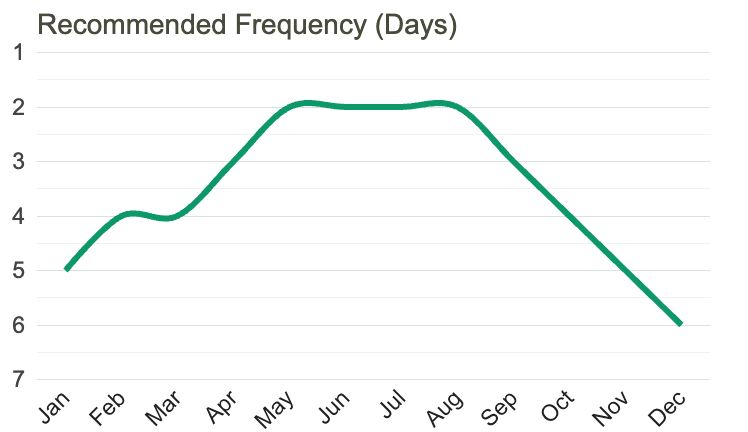
To water this plant, you should allow the soil to dry out slightly between waterings. When you water, be sure to thoroughly saturate the soil, but avoid allowing water to sit in the saucer beneath the pot. Overwatering can lead to root rot and other plant health issues. It is important to also ensure the plant has good drainage, so make sure the pot has drainage holes and the soil is not too compacted. When in doubt, it is better to underwater than overwater this plant.
To fertilize this plant, use a balanced fertilizer with equal parts nitrogen, phosphorus, and potassium. Apply the fertilizer to the soil around the base of the plant in early spring before new growth appears and again in mid-summer. Water the plant thoroughly after fertilizing to help the nutrients reach the roots. Avoid over-fertilizing, as too much can damage the plant and decrease the flavor of the leaves.
The best soil to use with this plant is a well-draining soil that is rich in organic matter. A soil pH of 5.5 to 7.5 is ideal for this plant. It prefers a soil that is slightly alkaline but can also tolerate slightly acidic soil. The soil should be loamy with good water retention and should not be waterlogged. The plant requires a soil that is fertile and has adequate amounts of nitrogen, potassium, and phosphorus. The addition of compost or aged manure to the soil will provide these nutrients. The plant prefers a soil that is not too heavy or compacted, and therefore should be aerated regularly. This plant thrives in full sun, so it is recommended to plant it in a location that receives at least 6 hours of direct sunlight per day.
There are a few ways to propagate this plant. One common method is through seed propagation. To do this, you should first collect the seeds from mature plants, typically in the fall. You can then plant them in prepared soil in the spring. Make sure to keep the soil moist and warm, and the seeds should germinate within a week or so.
Another method is through stem cuttings. Take cuttings from healthy, mature plants, about 3-4 inches long. Remove the leaves from the bottom of the stem, leaving only a couple at the top. Dip the bottom of the stem in rooting hormone, and plant it in moist soil. Keep the soil moist and in a warm, humid location, and the cutting should root and grow within a few weeks.
Lastly, you can propagate this plant through division. This is best done in the spring, as the plant is beginning to grow. Dig up the plant and carefully separate the root ball into two or more sections, making sure each section has some leaves and roots. Replant these sections in prepared soil and keep them moist and in a warm, sunny location.
Common pests of the garden dill include Aphids. Make a habit of checking your garden dill frequently for pests so that any infestations can be caught and managed early.








