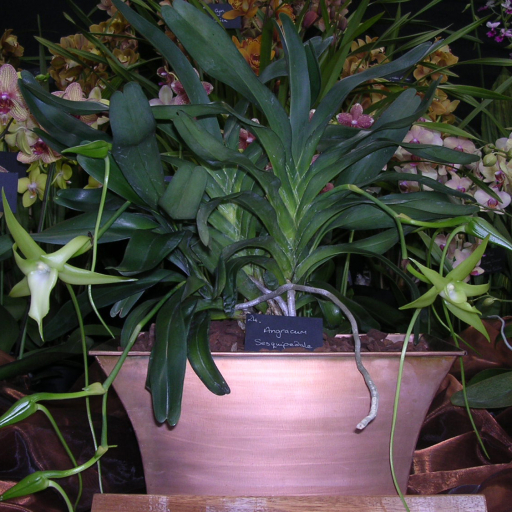
Plant Overview
Known as the "Star of Bethlehem Orchid" for its ivory-white, celestial shape, this Madagascan treasure is a legend in the world of biology. It is famously called "Darwin’s Orchid" because the naturalist famously predicted a long-tongued moth must exist to reach its deep nectar spur. Decades later, that very moth was discovered, proving this plant is a masterpiece of co-evolution.
🔍 How to Identify
- ⭐ The Bloom: Large, star-shaped flowers that appear waxy and range from snowy white to a pale cream or greenish hue.
- 🧪 The Nectar Spur: A remarkably long, thin "tail" or spur hanging from the back of the flower, often reaching up to 12 inches (30 cm) in length.
- 🍃 The Foliage: Thick, leathery, strap-shaped leaves that grow in an alternating, fan-like pattern from a central woody stem.
🏡 In Your Garden
- 🌬️ Root Sensitivity: This orchid is notoriously "grumpy" about being moved. It possesses thick, brittle roots that hate being disturbed; repotting should only be done when absolutely necessary to avoid stalling its growth for years.
- 🌑 Night Fragrance: To attract its specific moth pollinator, the plant releases an intense, spicy-sweet fragrance only after the sun goes down, filling a room with a scent reminiscent of gardenias and jasmine.
⚠️ Safety & Toxicity
- ✅ Safe Status: Angraecum sesquipedale is generally considered non-toxic to humans, cats, and dogs.
- 🌱 Physical Care: While not poisonous, the leathery leaves can be a choking hazard for curious pets, and the plant's slow growth means any "nibbles" will take years to recover. It is best placed on a high shelf or hanging basket.
✨ Fun Fact
The specific name sesquipedale is Latin for "one and a half feet," which refers to the incredible length of the nectar spur where the plant hides its sweet reward.

Detailed Care Instructions
| Humidity | High |
| Lighting | Full Sun |
| Difficulty | Medium |
| Temperature | 21°C - 29°C |
Growing Angraecum sesquipedale, also known as the Darwin's orchid or comet orchid, requires specific conditions to thrive. Here's a step-by-step guide on how to grow this unique plant:
- Light: Provide bright but indirect light to the orchid. Avoid direct sunlight, as it can scorch the leaves. Place the plant near a north or east-facing window.
- Temperature: Maintain a warm environment for Angraecum sesquipedale. Daytime temperatures should be around 70-85°F (21-29°C), while nighttime temperatures should range between 60-65°F (15-18°C).
- Humidity: High humidity is crucial for this orchid. Aim for around 70-80%, which can be achieved by placing a tray of water filled with pebbles beneath the pot. Refill the tray regularly to maintain humidity.
- Watering: Water the orchid thoroughly, allowing the water to drain freely from the pot. It's important to keep the medium slightly moist but not waterlogged. Watering frequency depends on factors like temperature, humidity, and pot size. Generally, every 7-10 days is sufficient, but adjust based on the plant's needs.
- Potting medium: A well-draining, orchid-specific potting mix is ideal for Angraecum sesquipedale. Use a mix of bark, sphagnum moss, and perlite to promote proper drainage while retaining some moisture.
- Fertilizer: Feed the orchid with a balanced orchid fertilizer during the growing season, which is typically from spring to early fall. Dilute the fertilizer to half the recommended strength and apply every 2-4 weeks. Reduce or stop fertilizing during the plant's dormant period in winter.
- Air circulation: Make sure to provide good air circulation around the orchid to prevent fungal diseases. Avoid placing it near drafts or vents.
- Repotting: Repot the orchid every 1-2 years or when the pot becomes crowded with roots. Spring is the best time for repotting. Gently remove the plant from its old pot, trim any dead or rotted roots, and replant in a slightly larger pot with fresh potting mix.
- Blooming: Angraecum sesquipedale is known for its long flower spike with large, white flowers. It may take several years for the orchid to reach blooming size, so be patient. Flower spikes can take up to six months to develop. Once the flowers bloom, they emit a sweet fragrance at night to attract pollinators.
Remember to monitor the plant closely and adjust the care routine as needed based on the plant's response and specific conditions in your home or greenhouse.

Place in a window with dappled sun or a spot in the middle of a room. Or directly in a window facing west or east.

Angraecum Sesquipedale is an exotic plant species that requires careful watering techniques to ensure its optimal growth and health. The following are some basic tips for watering this plant:
1. Watering Frequency: Angraecum Sesquipedale needs to be watered regularly- ideally once every three days or when the top layer of soil feels dry to the touch.
2. Watering Method: This plant requires watering from the bottom. Soak the pot in a container of water and let it sit until the potting mix becomes moist enough.
3. Humidity: These plants need high humidity to thrive. To maintain high humidity, you can use a humidifier or place a tray with water underneath the pot.
4. Soil type: Angraecum Sesquipedale requires well-draining soil, so avoid overwatering, which can lead to root rot.
5. Water temperature: Use room temperature water when watering Angraecum Sesquipedale. The water should not be too cold or too hot.
6. Water quality: Use good quality water that is low in minerals. The plant is sensitive to fluoride and chlorine that is often present in tap water.
By following these watering tips, your Angraecum Sesquipedale plant will thrive and continue to produce beautiful blooms.
To fertilize this plant, use a balanced, water-soluble fertilizer with an equal ratio of nitrogen, phosphorus, and potassium. Dilute the fertilizer to half of its recommended strength and apply it to the plant's soil once a month during the growing season (spring to fall). Water the plant immediately after fertilizing to help distribute the nutrients evenly. Reduce or stop fertilizing during the plant's dormant season (winter). Avoid overfertilizing, as this can cause root burn and damage the plant.
Angraecum Sesquipedale plant requires a special type of soil to thrive. The soil should be well-draining and have good aeration to prevent waterlogged roots. A mixture of coarse perlite, bark, and sphagnum moss is recommended for the substrate. The pH of the soil should be around 6.0-6.5. Additionally, the plant prefers humidity levels between 50-70%.
To propagate this plant, you will need to use a vegetative method such as stem cuttings or division of an established plant. Take a healthy stem cutting from the mother plant, making sure it has at least 2-3 nodes along its length. Dip the cut end of the stem in a rooting hormone powder and then plant it in a pot filled with well-draining soil mixture. Provide indirect light and warmth, misting the plant frequently to keep the soil moist. Within a few weeks, roots should begin to grow from the stem cutting and a new plant will emerge. If propagating through division, carefully separate the plant from its mother, making sure each new section has enough roots and foliage to sustain itself. Plant each new section in a pot with fresh soil and follow the same care instructions as for the stem cutting.
Common pests of the darwin's orchid include Scale insect, mealybugs, spider mites, thrips. Make a habit of checking your darwin's orchid frequently for pests so that any infestations can be caught and managed early.








