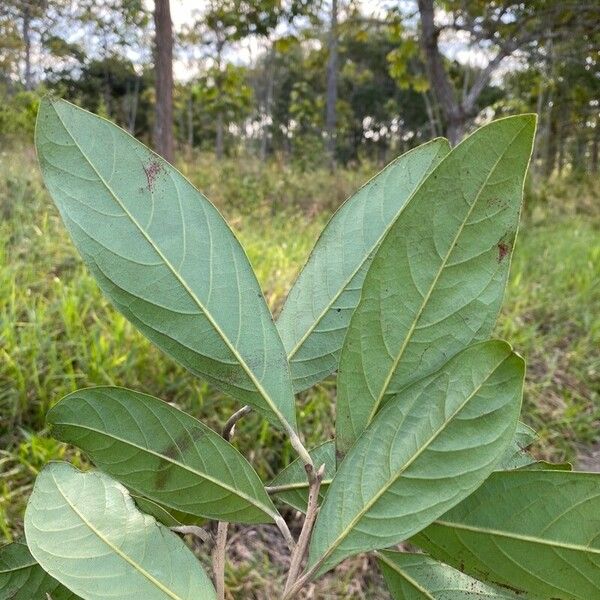
Plant Overview
Known as the Cinnamon Rosewood or Casca-preciosa, Aniba canelilla is a hidden treasure of the Amazon rainforest. This elegant tree is beloved not for a showy fruit, but for its intoxicating fragrance that perfectly mimics true cinnamon. In its native South America, it has been used for centuries in traditional folk medicine and local perfumery, bringing the warm, spicy scent of the deep jungle into the daily lives of those who cultivate it.
🔍 How to Identify
- 🍃 Elliptic Leaves: The leaves are dark green, leathery, and lance-shaped, typically growing up to 20 cm long with a glossy finish that helps shed heavy tropical rain.
- 🪵 Aromatic Bark: The bark is relatively thin and grayish-brown; however, if you gently scratch the surface, it releases a powerful, spicy aroma that is often mistaken for actual cinnamon.
- 🌼 Inconspicuous Blooms: It produces tiny, subtle yellowish-white flowers clustered in small bunches (panicles) that eventually give way to small, dark, acorn-like fruits nestled in a "cup."
🏡 In Your Garden
- 💧 Tropical Humidity: Being an Amazonian native, this plant thrives in high humidity. If grown in a container or a drier climate, it appreciates frequent misting or a humid microclimate to mimic the damp rainforest canopy.
- 🌱 Root Sensitivity: Like many members of the Laurel family, it develops a sensitive root system. It generally hates being moved once established, so it is best to choose a permanent "forever home" to avoid the risk of transplant shock.
- 🍂 Organic Richness: It prefers nutrient-dense, well-draining soil with a slightly acidic pH. In a garden setting, it benefits greatly from a thick layer of organic mulch which mimics the natural leaf litter of the forest floor.
⚠️ Safety & Toxicity
- 🐾 Pet Caution: While not classified as a "deadly" plant, the concentrated essential oils found in the bark and leaves can cause digestive upset if chewed by curious dogs or cats.
- 🧴 Oil Sensitivity: The tree is rich in 1-nitro-2-phenylethane. While this provides the lovely scent, the concentrated oil can be a skin irritant for some people; it is wise to wear gloves when performing heavy pruning.
✨ Fun Fact
🧪 The Scent Secret: The plant’s signature "cinnamon" scent is a masterclass in chemical mimicry. It is so potent that in the 19th century, European explorers often mistook it for the "True Cinnamon" tree from Sri Lanka, leading to a frantic (and fragrant) botanical search across the Brazilian wilderness!

Detailed Care Instructions








