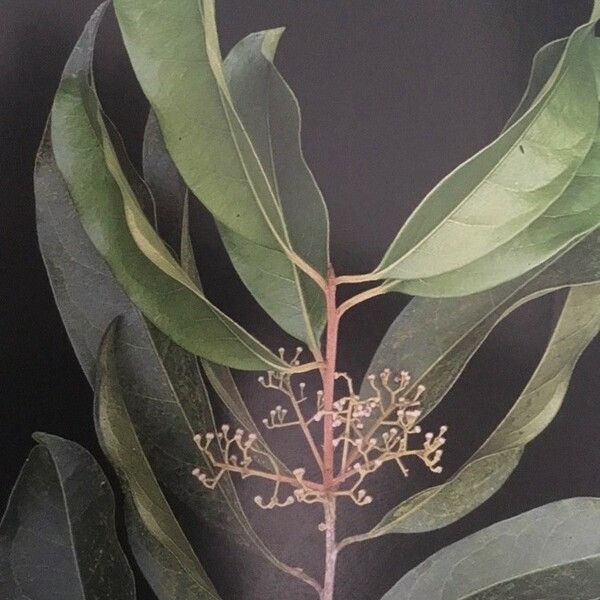
Plant Overview
Known as the "Cinnamon of the Amazon" or Casca-preciosa, Aniba canelilla is a hidden gem of the South American rainforests. This aromatic evergreen tree is legendary among indigenous tribes for its spicy, warming scent and its historical use in traditional medicine. If you ever cross paths with it in the wild, you’ll likely smell it before you see it, as its bark and crushed leaves release a fragrance reminiscent of cinnamon, cloves, and rosewood.
🔍 How to Identify
- 🍃 The Leaves: The foliage is glossy, dark green, and elliptical. When you crush a leaf between your fingers, it releases a potent, spicy aroma that is much sharper than culinary cinnamon.
- 🪵 The Bark: The bark is relatively thin and ranges from dark brown to a deep reddish hue. It is the primary source of the plant’s "Precious Bark" nickname, as the inner layers are saturated with aromatic oils.
- 🌼 The Flowers: It produces tiny, inconspicuous yellowish or greenish-white flowers that grow in small clusters. They aren't the star of the show, as they are often tucked away high in the forest canopy.
🏡 In Your Garden
- 🌳 Tropical Requirements: Unless you live in a tropical or subtropical climate, this tree is difficult to maintain outdoors. It craves deep, organic-rich, acidic soil and high humidity to mimic the Amazonian floor.
- 🌤️ Light Nuance: Young saplings are sensitive to direct, scorching sun and prefer "dappled" light. However, as the tree matures, it pushes through the canopy to reach for full sun, making it a challenging choice for small residential gardens due to its eventual height.
⚠️ Safety & Toxicity
- ✅ General Status: Aniba canelilla is generally considered non-toxic to touch. The bark has been used for centuries in teas and folk medicine, but it should be treated with respect.
- 🧴 Skin & Pets: The essential oils in the plant are highly concentrated. While not "poisonous," the pure oil can cause skin irritation in sensitive individuals. Keep the concentrated bark or oils away from curious pets, as the intense chemical compounds (like 1-nitro-2-phenylethane) can cause digestive upset if chewed in large amounts.
✨ Fun Fact
The scent of Aniba canelilla is so distinct and complex that it is a prized ingredient in the high-end perfume industry. It contains a rare natural nitro-compound that gives it a "top note" sweetness that synthetic fragrances find nearly impossible to replicate perfectly!

Detailed Care Instructions








