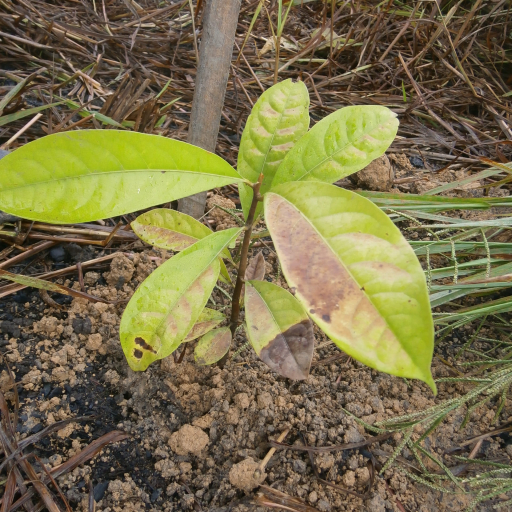
Plant Overview
Often called "Pau-Rosa" in its native Brazil, this legendary Amazonian tree is the secret soul behind some of the world’s most iconic luxury perfumes. Known for its exquisite, spicy-sweet aroma that blends notes of rose, lemon, and coriander, it was once harvested so heavily that it nearly vanished from the wild. Today, it stands as a protected symbol of the Amazon, cherished as much for its ecological importance as for its "liquid gold" essential oil.
🔍 How to Identify
- 🌳 Growth Habit: A majestic evergreen canopy tree that can reach heights of 30 meters, featuring a straight, thick trunk with smooth, reddish-brown bark that peels in thin flakes.
- 🍃 Foliage: The leaves are leathery, glossy, and elliptical, typically a deep forest green that provides a dense, cooling shade in tropical environments.
- 🌼 Inconspicuous Blooms: It produces small, tubular yellow flowers that grow in clusters, though they are often hidden high in the canopy, making the tree easier to identify by the fragrant scent of its crushed leaves.
🏡 In Your Garden & Environment
- 🌎 Tropical Requirements: This is not a typical backyard plant for temperate zones; it requires the intense humidity and consistent warmth of a tropical rainforest. It thrives in acidic, well-draining soil and deeply resents frost or dry air.
- 🌱 Slow & Steady: Because it is slow-growing and sensitive to transplanting, it requires patience. In its native habitat, it plays a vital role in the ecosystem, providing a home for various Amazonian birds and insects that are attracted to its aromatic oils.
⚠️ Safety & Toxicity
- ✅ Low Risk: The tree itself is generally non-toxic to humans and animals when encountered in nature.
- 💧 Oil Concentration: While the wood and leaves are safe, the highly concentrated essential oil (linalool) can cause skin irritation or allergic reactions in sensitive individuals and should never be used undiluted.
- 🐱 Pet Caution: Keep concentrated rosewood oils away from cats and dogs, as their livers cannot process certain aromatic compounds as efficiently as humans can.
✨ Fun Fact
The legendary fragrance Chanel No. 5 originally relied heavily on the essential oil of the Aniba rosodora. It takes approximately 100 kilograms of wood just to produce one liter of its precious oil!

Detailed Care Instructions








