Plant Overview
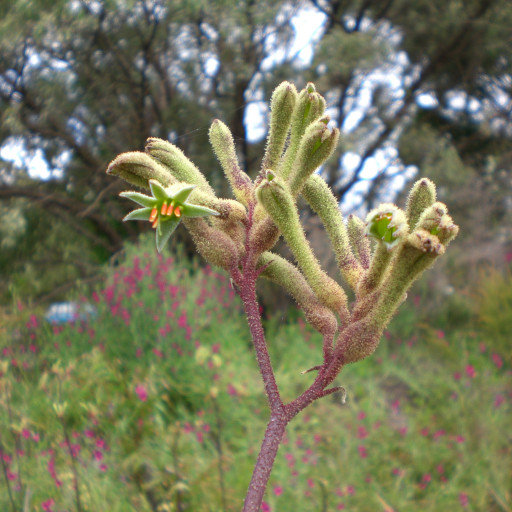
Often called the Evergreen Kangaroo Paw, Anigozanthos flavidus is a structural masterpiece from the sun-drenched wilds of Western Australia. Its name comes from the distinct, velvety flowers that mimic the curved, fuzzy paws of a kangaroo. This species is the hardiest of all Kangaroo Paws, beloved by gardeners for adding a vertical, architectural element to landscapes while acting as a natural magnet for nectar-feeding birds.
🔍 How to Identify
- 🌿 The Foliage: Dense, clumping mounds of sword-shaped, leathery leaves that remain dark green throughout the year.
- 🧤 Velvety Blooms: Tubular flowers covered in tiny, dense hairs that provide a soft, felt-like texture. Colors typically range from lime green to yellow, though hybrids can be red or pink.
- 🏗️ Stately Stems: Unlike smaller varieties, these flower spikes are tall and branching, often reaching up to 2 meters in height, lifting the "paws" high into the air.
🏡 In Your Garden
- ✂️ Pruning Strategy: To keep the plant looking fresh, cut the flower stalks all the way back to the ground once they finish blooming. This prevents "ink spot disease" and encourages a flush of healthy new leaves.
- 💧 Drainage is Key: While this species is more tolerant of "wet feet" than its cousins, it still prefers sandy or well-draining soil. It hates being moved once established because of its sensitive rhizome (underground stem).
- ☀️ Sun Seeker: To get those vibrant, fuzzy colors, it needs maximum sunlight. In shade, the stems may become floppy and the colors will appear dull.
⚠️ Safety & Toxicity
- ✅ Safe Status: Anigozanthos flavidus is generally considered non-toxic to humans, cats, and dogs.
- 🧤 Skin Irritation: The tiny, bristly hairs on the flowers can sometimes cause mild skin irritation or "itchiness" for sensitive gardeners. It is best to wear gloves when pruning a large clump.
✨ Fun Fact
The flowers are specifically shaped to fit the heads of Australian Honeyeater birds. As the bird reaches deep for nectar, the pollen-bearing parts of the flower (the anthers) brush against the bird's head, using the bird as a personal delivery service to the next plant!

Detailed Care Instructions
To grow Anigozanthos Flavidus, also known as Kangaroo Paw, follow these steps:
- Location: Choose a sunny spot in your garden with well-draining soil. Kangaroo Paws prefer full sun exposure for at least six hours a day.
- Soil preparation: Kangaroo Paws prefer slightly acidic to neutral soil. Add organic matter such as compost or well-rotted manure to improve soil texture and drainage.
- Planting: Plant the Anigozanthos Flavidus at a depth of around 5-7 centimeters, ensuring the crown of the plant sits just above the soil level. Space them 50-70 centimeters apart to allow ample room for growth.
- Watering: Provide regular watering during the initial establishment period to help the plant establish a robust root system. Once established, Kangaroo Paws are drought-tolerant but appreciate occasional deep watering during dry spells.
- Fertilizer: Apply a slow-release fertilizer specifically designed for native plants in early spring to promote healthy growth. Follow the manufacturer's instructions for application rates.
- Mulching: Apply a layer of organic mulch around the base of the plant to retain soil moisture and suppress weed growth. Avoid mulching too close to the plant's crown to prevent rotting.
- Pruning: Trim off spent flowers or dead leaves to maintain a neat appearance and encourage new growth. Cut back any damaged or diseased foliage.
- Protection: Kangaroo Paws can be sensitive to frost. If you live in a colder climate, protect the plant during winter by covering it with horticultural fleece or bringing it indoors if possible.
Overall, Anigozanthos Flavidus is a relatively low-maintenance plant once established, provided it has the right conditions of sunlight, well-draining soil, and occasional deep watering.

Place in a bright room that is sun drenched almost all day. Or directly in a south-facing window.

To water this plant, one should make sure that the soil is dry to the touch before watering. Once it is determined that the soil is dry, water should be given to the plant until it begins to drain from the pot. It is important not to let the plant sit in standing water, as this can lead to root rot. Additionally, this plant prefers to be watered using rainwater or filtered water, as it is sensitive to the chemicals found in tap water. It is recommended to water this plant sparingly in winter when it is not actively growing.
To fertilize this plant, you should use a balanced water-soluble fertilizer once a month during the growing season. Be sure to dilute the fertilizer according to the package directions, and apply it to the soil around the base of the plant. Do not apply fertilizer when the plant is dormant.
The Anigozanthos Flavidus plant requires well-draining soil with a slightly acidic to neutral pH level. Ideally, the soil should be sandy and contain a good amount of organic matter. When planting the Anigozanthos Flavidus, it is recommended to add perlite, vermiculite, or coarse sand to the soil to improve drainage. Additionally, it is important to avoid compacting the soil around the plant. To maintain optimal soil health, it is advisable to fertilize the soil with a light, balanced fertilizer.
To propagate this plant, you will need to start by gathering seeds from the mature flowers of the mother plant. The seeds can be sown in a well-draining potting mix, and lightly covered with a thin layer of soil. Keep the soil moist and place the pot in a warm, sunny location.
Once the seedlings have emerged, you can transplant them into individual pots with more nutrient-rich soil. Make sure to keep the soil evenly moist and continue to provide adequate sunlight and warmth.
Another way to propagate this plant is by division. Gently dig up the mother plant and carefully separate the clumps of roots and shoots. Each division should have several healthy roots and shoots. Transplant the divisions into individual pots filled with nutrient-rich soil and water well.
Propagation by stem cuttings can also be done, although this method may be more challenging. Take a cutting from a healthy stem, making sure to include a few leaves at the top. Dip the cut end in rooting hormone and plant in a well-draining potting mix. Keep the soil moist and provide bright, indirect light until roots form.
With proper care and attention, your propagated Anigozanthos Flavidus plant should thrive and grow into a beautiful specimen.
Common pests of the kangaroo paw include Aphids. Make a habit of checking your kangaroo paw frequently for pests so that any infestations can be caught and managed early.








