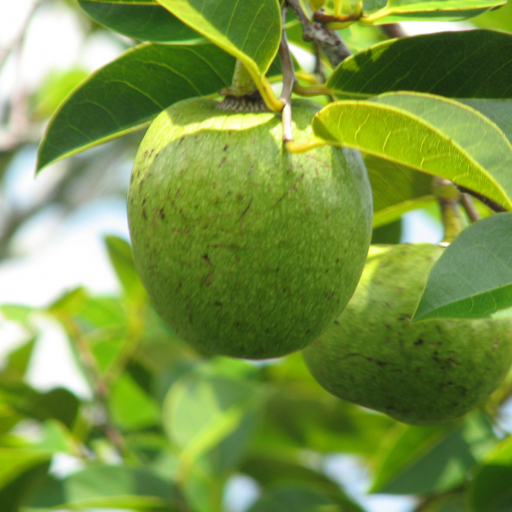
Plant Overview
Often called the Pond Apple or the Alligator Apple, Annona glabra is the rugged, water-loving cousin of the delicious Soursop and Custard Apple. While its relatives prefer well-drained orchards, this survivor thrives in the murky depths of swamps and mangroves, acting as a floating pantry for wetland wildlife. In some parts of the world, it is a protected native, while in others (like Australia), its stubborn resilience has earned it a reputation as a formidable "transformer" weed.
🔍 How to Identify
- 🍃 The Foliage: Large, elliptical leaves that are bright green, glossy, and leathery to the touch. When crushed, they emit a distinct, somewhat spicy aroma.
- 🌼 The Bloom: Pale yellow or cream-colored flowers that look like heavy, waxy bells. They usually have three thick outer petals and three smaller inner ones.
- 🍎 The Fruit: Smooth, heart-shaped fruits that start out green and turn a dull yellow when ripe. Unlike the "bumpy" skin of a Sugar Apple, these are relatively smooth and can grow to the size of a grapefruit.
🏡 In Your Garden
- 💧 The "Wet Feet" King: This is one of the few fruit trees that can survive—and even thrive—in standing water or brackish tidal zones. It uses its cork-like wood to stay buoyant and stable in soft, muddy soils.
- 🌱 Tough Roots: It is nearly impossible to kill via overwatering, making it a specialized choice for boggy areas where nothing else grows. However, be cautious; its aggressive root system and floating seeds mean it can quickly escape your garden and take over local waterways.
⚠️ Safety & Toxicity
- 🍎 Edibility: While the fruit is technically edible for humans, it is often described as bland, dry, or musk-scented. Most people find the flavor disappointing compared to its sweeter cousins.
- 🚫 Seed Warning: The seeds are toxic and should never be swallowed or crushed. Historically, ground seeds have been used as a potent natural insecticide.
- 👁️ Sap Irritant: Be careful when pruning; the sap can cause significant irritation if it gets into your eyes or onto sensitive skin.
✨ Fun Fact
The name "Alligator Apple" isn't just a swampy nickname—it’s a literal description of the menu! American Alligators in the Everglades are frequently seen gulping down the fallen fruit, making them one of the few reptiles that act as seed dispersers for plants.

Detailed Care Instructions
To grow Annona Glabra plant, also known as the pond apple or alligator apple, you can follow these steps:
- Climate and location: Annona Glabra is native to tropical and subtropical regions. It thrives in full sun and prefers a warm, humid climate. Choose a location with well-draining soil and enough space for the plant to grow.
- Propagation: Annona Glabra can be grown from seeds or from stem cuttings. If using seeds, they should be fresh and sown immediately. Soak the seeds in water for 24 hours before planting to improve germination rates. Plant the seeds in pots or directly in the ground, about 1 inch deep. Keep the soil moist until germination occurs.
- Watering: The plant requires consistent watering, especially during dry periods. Keep the soil evenly moist but not waterlogged. Avoid overwatering as it can cause root rot.
- Fertilization: Fertilize the plant every 3-4 months with a balanced, slow-release fertilizer to provide necessary nutrients. Follow the instructions on the fertilizer packaging for the correct application rate.
- Pruning: Prune the plant to encourage a bushier growth habit and to remove dead or damaged branches. Regular pruning can also help control the size and shape of the tree.
- Mulching: Apply a layer of organic mulch around the base of the plant to retain moisture, regulate soil temperature, and suppress weed growth. Mulching also adds nutrients to the soil as it decomposes.
- Pests and diseases: Annona Glabra is relatively resistant to pests and diseases. However, occasional pest infestations like aphids or mealybugs may occur. Monitor the plant regularly and take appropriate measures, such as spraying with insecticidal soap or using natural predators.
- Harvesting: The fruits of Annona Glabra are edible, but they take around 7-10 months to ripen. Harvest the fruits when they are fully mature and have a pleasant aroma. They should yield to gentle pressure when ripe. Cut the fruits from the tree and handle them carefully as they bruise easily.
By following these steps, you should be able to successfully grow Annona Glabra plant in suitable conditions.

Place in a bright room that is sun drenched almost all day. Or directly in a south-facing window.

To water this plant, first ensure that the soil around it is dry to the touch before watering. When watering, use a watering can or hose to gently water the soil around the base of the plant until it is moist but not waterlogged. Avoid getting water on the leaves as this can cause damage. Water the plant more frequently during hot, dry weather and reduce watering during colder months. It is important not to overwater this plant as this can lead to root rot.
To fertilize this plant, apply a balanced fertilizer formula, such as a 10-10-10 or 20-20-20, during the growing season. Use approximately 1 pound of fertilizer per 100 square feet of planting area. Spread the fertilizer evenly around the root zone, avoiding contact with the trunk or leaves. Water the plant thoroughly after fertilizing to help the nutrients penetrate the soil. Repeat the application every 4-6 weeks during the growing season for best results.
Annona Glabra prefers well-draining, nutrient-rich soil. It tolerates a range of soil types, including loamy, sandy, or clay soils, but the soil must be fertile enough to support healthy growth. A pH range of 5.5 to 7.5 is ideal for optimal growth. Soil that is too compacted or too acidic will negatively impact the plant's growth and development. Adding organic matter, such as compost or peat moss, to the soil can improve its quality and provide essential nutrients for the plant. It is important to ensure that the soil is not waterlogged, as this can lead to root rot and other issues. Proper drainage is essential to maintaining healthy soil conditions for Annona Glabra.
Annona Glabra is typically propagated through seeds. It is important to collect ripe seeds that have already fallen from the tree. The seeds can be washed and then soaked in water for 24 hours to soften the hard seed coat.
Next, the seeds should be placed in a well-draining growing medium, such as a mixture of sand and peat moss. The seeds should be planted about 1 inch deep in the soil and watered lightly.
The container should then be placed in a warm, sunny location and watered regularly to keep the soil moist. The seedlings should begin to emerge within a few weeks.
Once the seedlings have grown to about 6 inches tall, they can be transplanted into larger containers or directly into the ground. It is important to plant the seedlings in a location with well-draining soil and full sun.
Annona Glabra can also be propagated through cuttings, though this method can be more challenging. Cuttings should be taken from young, healthy branches and treated with rooting hormone before being inserted into a well-draining growing medium. The cuttings should be kept in a warm, humid location and watered regularly until they form roots.
Common pests of the pond-apple include Scale insect, mealybugs, spider mites, larvae. Make a habit of checking your pond-apple frequently for pests so that any infestations can be caught and managed early.








